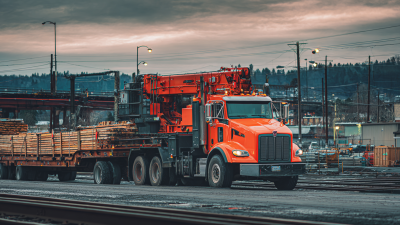
2025 Top Moveable Crane Trends and Innovations You Need to Know
As the construction and logistics industries continue to evolve, the importance of innovative machinery, particularly moveable cranes, cannot be overstated. In 2025, several trends are poised to reshape the utilization and design of moveable cranes, ensuring they remain pivotal in operations that require versatility and efficiency. This article explores the latest advancements and innovations that are enabling these cranes to not only enhance productivity but also improve safety and reduce environmental impact.
The upcoming trends in moveable crane technology reflect a broader shift towards automation, sustainability, and smart construction practices. With the integration of advanced technology such as IoT and AI, these cranes are becoming more intelligent, allowing for better data analytics, remote operation, and enhanced precision in lifting and maneuvering heavy loads. Furthermore, modern designs are prioritizing energy efficiency and eco-friendliness, ensuring that the equipment aligns with the industry's growing commitment to sustainability.
As we delve into the top trends and innovations for moveable cranes in 2025, it is essential to recognize how these developments will not only streamline operations but also contribute to safer job sites. By staying informed about these emerging technologies, stakeholders in the construction and logistics sectors can position themselves for success in a rapidly changing landscape.

Emerging Technologies Shaping Moveable Crane Designs in 2025
The moveable crane industry is on the brink of a technological revolution as we approach 2025. Emerging technologies are becoming pivotal in shaping crane designs, enabling higher efficiency, enhanced safety, and improved operational capabilities. According to a recent report by MarketsandMarkets, the global crane market is projected to grow from $40 billion in 2023 to over $50 billion by 2027, with innovations in materials and smart technologies driving this trend. The integration of lightweight, high-strength materials like carbon fiber is making cranes more versatile and easier to maneuver, addressing the increasing demand for mobility in construction projects.
Moreover, automation and telematics are revolutionizing crane operations. The incorporation of IoT sensors in moveable cranes allows for real-time data collection and analysis, leading to smarter decision-making and predictive maintenance. A study by Research and Markets reveals that the adoption of telematics in heavy machinery, including cranes, is expected to rise by over 20% annually through 2025. This trend is instrumental in reducing downtime and operational costs, as data-driven insights facilitate proactive management of crane performance and maintenance schedules. As these technologies evolve, the moveable crane sector is likely to witness unprecedented advancements that not only improve operational efficiency but also enhance user safety and sustainability.
2025 Moveable Crane Trends: Market Analysis
Sustainability Trends in Moveable Crane Manufacturing Practices
In recent years, the construction equipment industry has been increasingly focused on sustainability, particularly in the manufacturing of moveable cranes. According to the Global Industry Analysts report, the global moveable crane market is projected to reach USD 12 billion by 2025, driven in part by growing demands for eco-friendly technology. Manufacturers are now prioritizing sustainable practices by adopting greener production methods, incorporating recycled materials, and optimizing designs for energy efficiency.
One significant trend is the rise in the use of electric and hybrid crane models, which significantly reduce carbon emissions and operational costs. The International Council on Clean Transportation notes that switching to electric versions can cut greenhouse gas emissions by up to 70% compared to traditional diesel-powered cranes. Additionally, advancements in battery technology are enabling longer operational durations and faster charging times, making these electric models more viable for the industry.
Furthermore, sustainable supply chain practices are becoming a core component of moveable crane manufacturing. This includes shifting towards local sourcing of materials to minimize transportation emissions and ensuring that suppliers adhere to environmentally friendly practices. According to the McKinsey & Company report, companies that implement sustainable supply chain strategies can save up to 20% in operational costs while significantly enhancing their corporate responsibility image. As these trends continue to gain traction, the moveable crane industry is poised for a transformation that aligns manufacturing with modern sustainability goals.
Safety Innovations Revolutionizing Moveable Crane Operations
In recent years, the moveable crane industry has witnessed significant safety innovations that are transforming operations on construction sites and industrial environments. Advanced technologies are being implemented to reduce operational risks and enhance safety protocols. According to a recent report from the International Construction Equipment Association, nearly 40% of crane accidents are attributed to operator error. To combat this, manufacturers are integrating sophisticated operator assistance systems, such as collision avoidance technology and automated load management. These systems help operators make real-time decisions that significantly mitigate risks associated with lifting heavy loads.
Furthermore, the incorporation of IoT (Internet of Things) devices has revolutionized data collection and analysis in crane operations. Modern moveable cranes now feature smart sensors that monitor various parameters, including load weight, structural integrity, and environmental conditions. This data is crucial for preemptive maintenance and helps identify potential failures before they result in accidents. A report from the Crane Safety Alliance indicated that sites utilizing these technologies have seen a 30% reduction in workplace incidents, underscoring the importance of tech-driven safety solutions in enhancing operational effectiveness and worker protection. As we move towards 2025, these innovations will continue to play a pivotal role in shaping safer crane operations across various sectors.
Impact of Autonomous Systems on Moveable Crane Efficiency
The integration of autonomous systems into the design and operation of moveable cranes is revolutionizing the construction and logistics industries. These systems leverage advanced technologies such as artificial intelligence, machine learning, and real-time data analytics to enhance crane efficiency and safety. By automating critical functions such as load handling, navigation, and obstacle avoidance, autonomous cranes significantly reduce the margin for human error, ensuring more precise operations even in complex environments.
Moreover, the use of autonomous systems can greatly improve productivity by streamlining workflows. For instance, cranes equipped with autonomous capabilities can operate continuously without the need for breaks or downtime associated with human operators. This leads to faster project completion times and enhanced resource management. Additionally, the ability to collect and analyze operational data allows for predictive maintenance, which minimizes equipment failures and extends the lifespan of the cranes. As the industry moves towards greater adoption of these technologies, the potential for increased efficiency and reduced operational costs becomes increasingly evident.
Market Demand and Future Opportunities for Moveable Cranes
The demand for moveable cranes is experiencing a significant surge as industries continue to prioritize efficiency and flexibility in their operations. With advancements in technology, companies are seeking cranes that are not only more versatile but also capable of handling a variety of tasks in different environments. This multifaceted need arises from the ongoing trends toward automation and smart construction practices, compelling manufacturers to innovate and improve upon traditional crane designs that can adapt to diverse job sites.
Future opportunities for moveable cranes lie in integrating smart technologies, like IoT and AI, which enhance operational capabilities and monitoring systems. As projects become increasingly complex, the ability to remotely manage and optimize crane functions is becoming crucial. Additionally, the growing focus on sustainability within the construction industry is leading to the development of eco-friendly cranes that reduce energy consumption and emissions. These innovations are not only meeting current market demands but also positioning moveable cranes as integral components in the future of construction and logistics, ensuring that they remain essential for efficient material handling in a variety of applications.