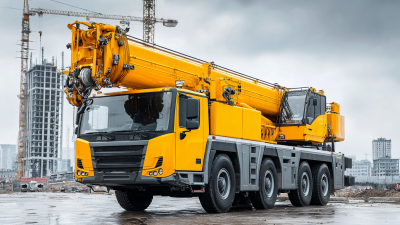
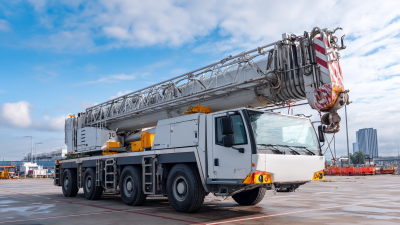
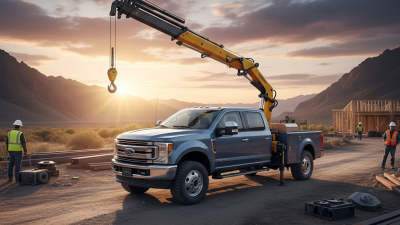
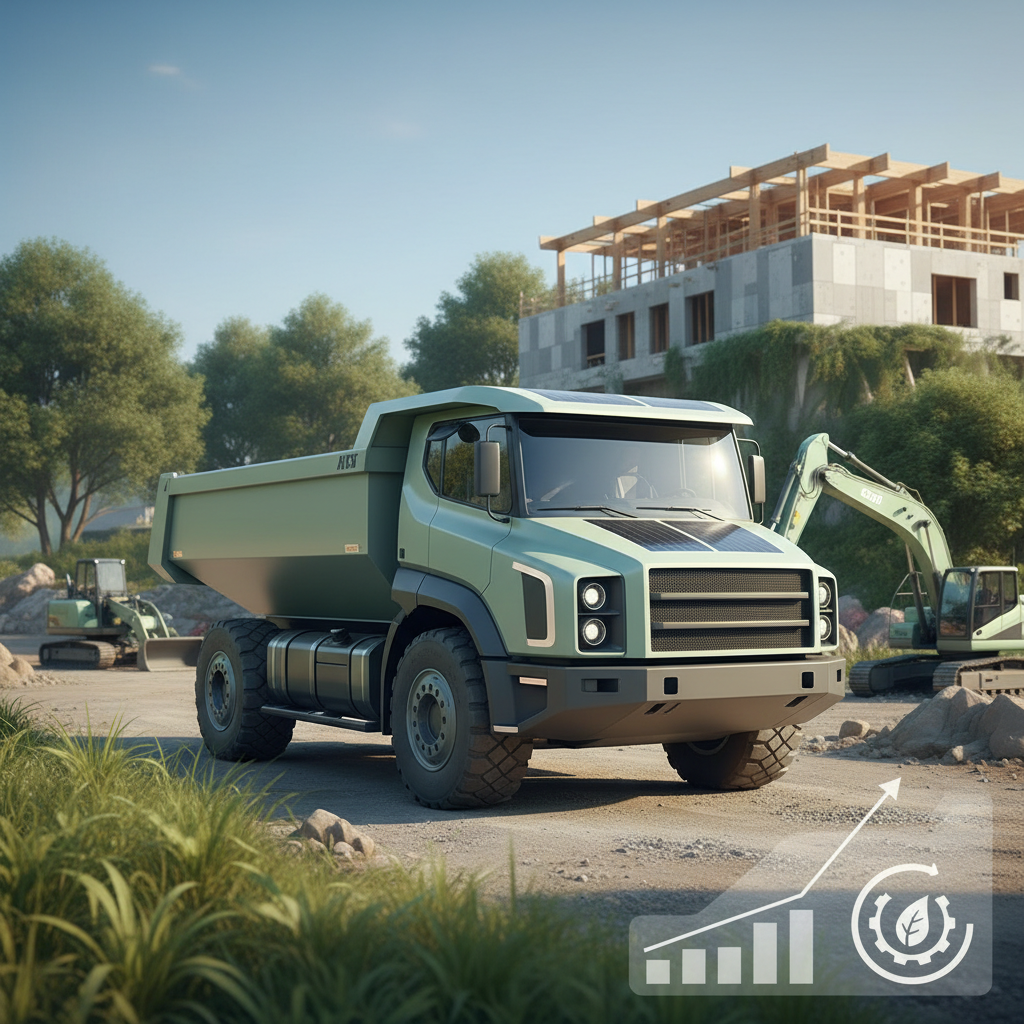
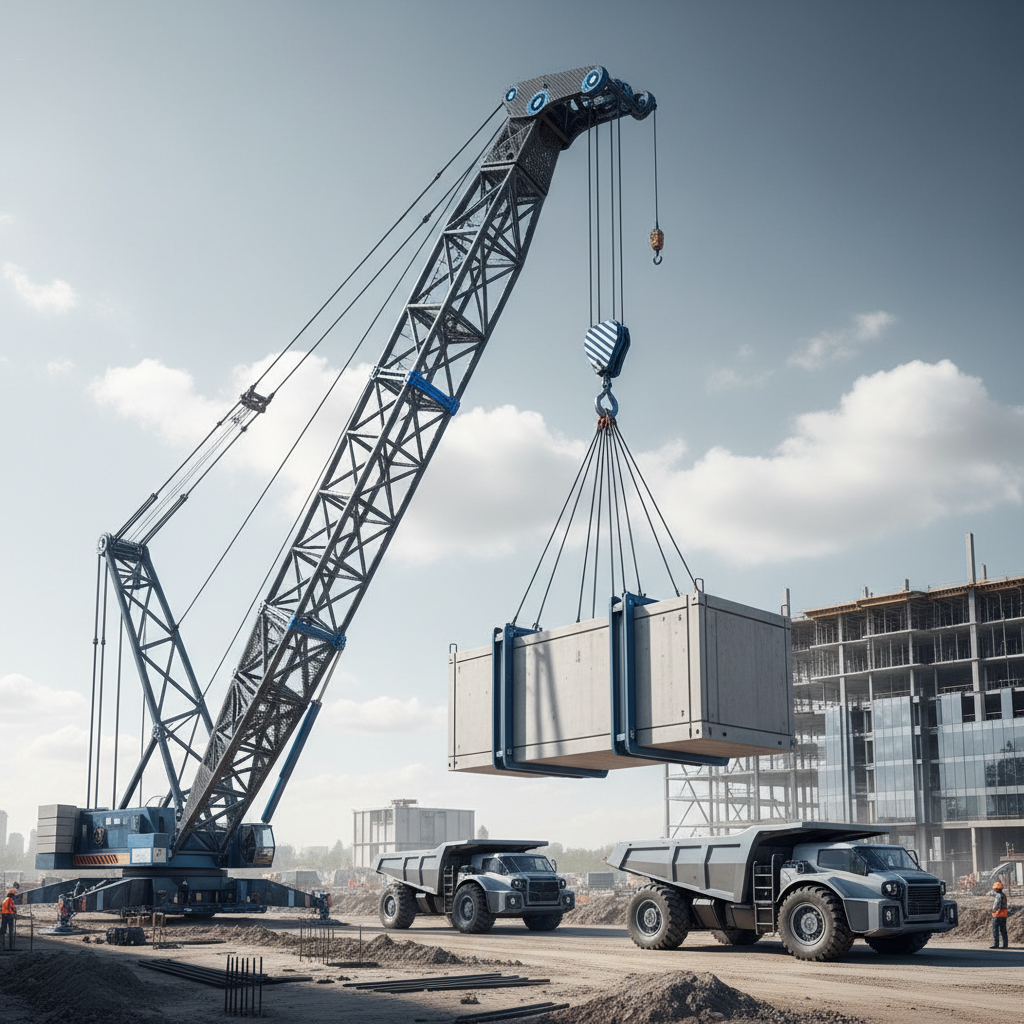
The construction industry stands on the brink of transformative advancements, driven by innovations in technology that redefine traditional operational methods. Among the most critical advancements are the next-generation truck and crane solutions that not only enhance efficiency but also promise significant cost savings and improved safety standards. According to a recent report by MarketsandMarkets, the global crane market is projected to reach $60 billion by 2025, highlighting the increasing demand for sophisticated lifting solutions that can meet the complexities of modern construction projects.
As construction firms increasingly adopt cutting-edge technologies, trucks and cranes have evolved to integrate automation, advanced telematics, and greener energy sources. These innovations not only optimize load management but also reduce the environmental impact of construction operations. A study by Allied Market Research forecasts that the demand for electric and hybrid trucks will grow at a CAGR of 20% through 2025, reflecting the industry's commitment to sustainability. This evolution in truck and crane technology is not merely a trend; it is a necessary adaptation to the rapidly changing demands of infrastructure development, urbanization, and environmental considerations, setting the stage for a more efficient and responsible construction future.
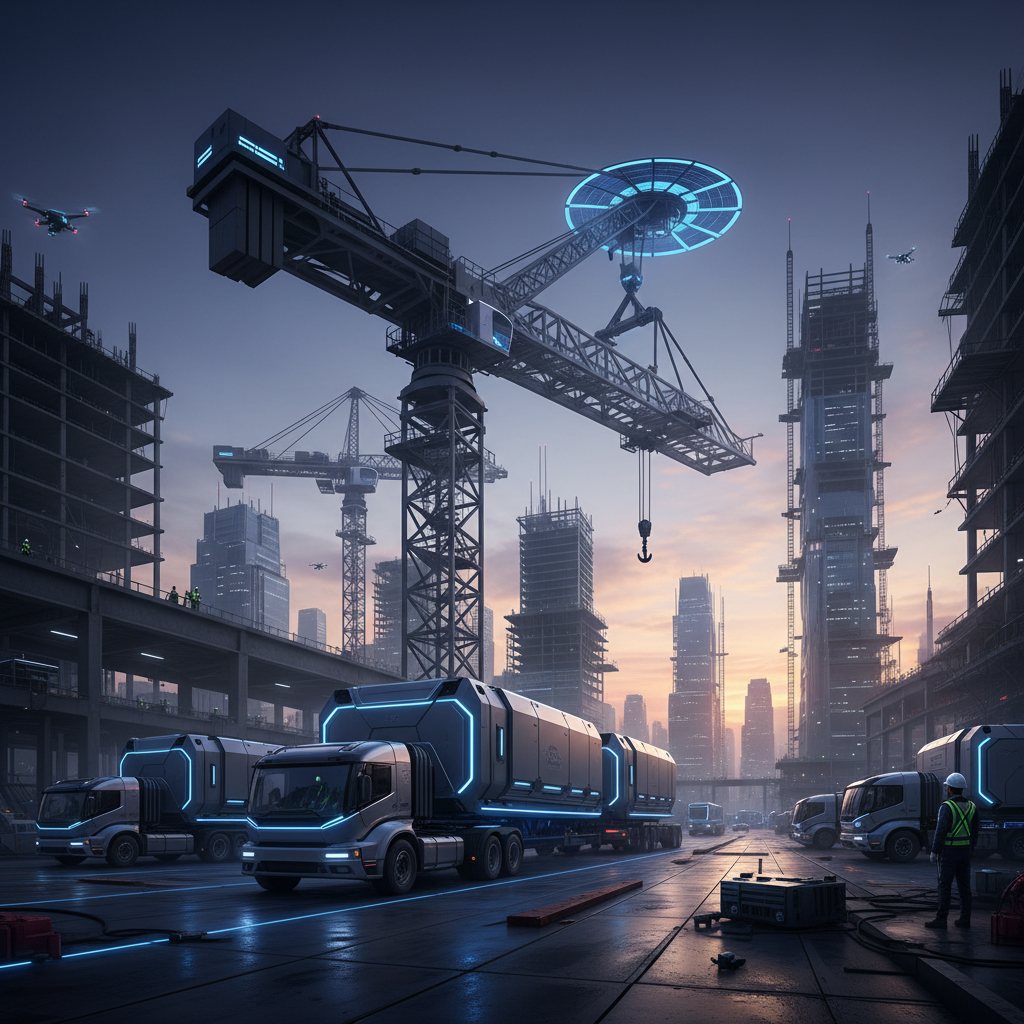
In 2025, the construction industry is poised to undergo a significant transformation with the introduction of revolutionary autonomous trucks. These vehicles, equipped with advanced artificial intelligence and machine learning algorithms, are designed to optimize logistics on construction sites, reducing delays and minimizing human error. By utilizing real-time data from sensors and cameras, autonomous trucks can navigate complex environments, ensuring timely delivery of materials while simultaneously enhancing site safety.
The efficiency gains brought about by these innovations are remarkable. Autonomous trucks can operate continuously, significantly increasing the speed at which projects can be executed. This technology not only boosts productivity but also allows for better resource management, reducing waste and lowering operational costs. As construction companies invest in this cutting-edge technology, the impact on the industry will be profound, leading to streamlined processes and a more agile construction landscape, setting a new standard for project delivery in the coming years.
In the rapidly evolving construction industry, smart crane technologies are emerging as game changers for enhancing precision and safety in heavy lifting operations. Advanced robotic systems equipped with artificial intelligence enable cranes to analyze load conditions and environmental factors in real-time. This data-driven approach not only optimizes lifting procedures but also minimizes human error, ensuring that operations run smoothly and safely on construction sites.
Furthermore, innovations such as augmented reality (AR) interfaces provide crane operators with intuitive visual aids that improve spatial awareness and operational efficiency. By overlaying digital information onto the physical environment, these AR tools assist in accurate load placement and navigation around obstacles. As construction projects grow in scale and complexity, these smart technologies are crucial for meeting safety regulations and boosting productivity, making them invaluable assets in modern construction practices.
As the construction industry increasingly embraces sustainability, eco-friendly innovations in truck design are set to revolutionize practices on job sites. The Global Construction Industry report indicates that the shift towards sustainable construction is expected to create a market worth over $2 trillion by 2025, driven largely by the adoption of environmentally conscious technologies. This includes electric and hybrid trucks that drastically reduce carbon emissions, aligning with trends in corporate social responsibility. Moreover, advancements in lightweight materials improve fuel efficiency, facilitating a greener supply chain in construction.
In parallel, the trend of reducing waste aligns seamlessly with eco-friendly truck designs. According to recent studies, around 40% of construction waste comes from transportation inefficiencies. Incorporating waste reduction strategies into truck operations not only minimizes the environmental footprint but can significantly lower operational costs. Innovations like telematics systems allow for better route optimization, further decreasing fuel consumption. As cities like Tampa are building greener skylines, the integration of these advanced, eco-friendly truck designs paves the way for a sustainable future in construction, significantly contributing to a lower carbon footprint and enhanced industry reputation.
The integration of IoT (Internet of Things) solutions is revolutionizing fleet management and operations within the construction industry. According to a report by McKinsey, companies that leverage IoT can potentially reduce operational costs by up to 30% while improving asset utilization by as much as 40%. This is primarily due to enhanced data collection and analysis, allowing for real-time monitoring of truck and crane performance. This data-driven approach not only increases efficiency but also minimizes downtime through predictive maintenance, which can save up to $1.2 million annually for large fleets, as outlined in a recent report by Deloitte.
Additionally, the adoption of IoT technologies is facilitating better decision-making processes and operational strategies. For instance, GPS and telematics systems enable fleet managers to track vehicle health, driver behavior, and logistical performance. A study from ABI Research indicates that the market for connected construction equipment is expected to grow to $2.5 billion by 2025, highlighting the industry's shift towards smarter, more sustainable practices. As construction companies continue to embrace these innovations, they are positioned to enhance productivity and safety, ensuring they remain competitive in an increasingly demanding market.
The construction industry is undergoing a significant transformation, driven by innovations in truck and crane technologies. One of the most prominent advancements is the use of advanced materials and design in crane manufacturing, which enhances strength and durability. According to a report by the National Institute of Standards and Technology (NIST), the integration of composite materials in crane construction can result in weight reductions of up to 40%, while maintaining or even increasing load-bearing capacities. This shift not only improves operational efficiency but also extends the lifespan of cranes, reducing maintenance costs and downtime for construction projects.
Additionally, innovative design approaches, such as modular construction and the incorporation of smart technology, allow for cranes to be customized for specific applications. A report from the American Society of Civil Engineers (ASCE) emphasizes that cranes equipped with real-time monitoring systems can detect structural fatigue and operational stresses, thereby enhancing safety and efficiency on job sites. This proactive approach to crane design ensures that operators can maximize performance while minimizing risks, ultimately leading to more sustainable construction practices.
As the industry embraces these innovations, the potential for improved safety and productivity becomes increasingly evident, highlighting the critical role of advanced materials and design in the future of construction.