Top 10 Advantages of Using a Telescopic Boom Crane in Construction Projects
In the fast-paced world of construction, efficiency and versatility are paramount. The use of a telescopic boom crane has become increasingly popular among project managers and site engineers seeking to optimize their operations. According to John Smith, a leading industry expert and author of "Modern Lifts in Construction," "The telescopic boom crane is not just a piece of equipment; it’s a game-changer for any construction project requiring flexibility and reach." This statement underscores the pivotal role that telescopic boom cranes play in modern construction methods.
With their ability to extend and retract, telescopic boom cranes are designed to navigate difficult terrains and reach elevated work areas with ease. This flexibility allows construction teams to enhance productivity while simultaneously reducing potential hazards on site. As projects become more complex, the demand for advanced equipment like the telescopic boom crane continues to rise, establishing it as a vital tool in the industry. In this article, we will explore the top ten advantages of employing telescopic boom cranes in construction projects, illustrating how their unique features contribute to successful project execution and ultimately lead to improved safety and efficiency on job sites.
Key Features of Telescopic Boom Cranes in Construction
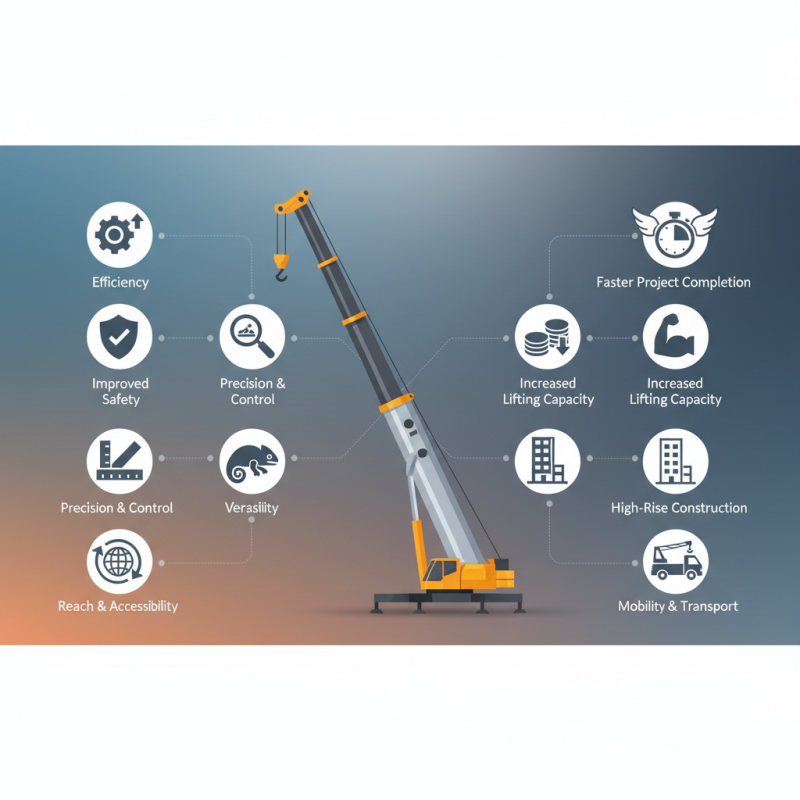
Telescopic boom cranes are integral to modern construction projects, offering several key features that enhance their functionality and efficiency. One of the primary advantages of these cranes is their extendable arm, which allows operators to reach significant heights and distances without the need to move the machine itself. This capability makes it easier to handle materials and equipment in tight spaces or challenging terrains often found on construction sites. Additionally, the flexibility of the telescopic boom enables quicker setup and relocation, maximizing productivity during various phases of construction.
Another vital feature is their versatility. They can be equipped with various attachments, such as buckets, forks, or winches, making them suitable for a wide range of tasks—from lifting heavy structural components to placing light materials. This adaptability not only streamlines project operations but also reduces the need for multiple types of machinery, ultimately saving time and costs. Furthermore, many telescopic boom cranes incorporate advanced safety features, such as load moment indicators and stability monitoring systems, ensuring safe operation in complex environments. This combination of reach, versatility, and safety makes telescopic boom cranes an essential asset in achieving successful construction outcomes.
Top 10 Advantages of Using a Telescopic Boom Crane in Construction Projects
This chart highlights the top 10 advantages of using telescopic boom cranes in construction projects based on various factors that enhance productivity, safety, and efficiency at work sites.
Enhanced Reach and Flexibility for Diverse Construction Tasks
Telescopic boom cranes have revolutionized the construction industry by providing enhanced reach and flexibility that are essential for a wide range of tasks. This versatile equipment can extend its boom to significant heights, allowing operators to access hard-to-reach areas on construction sites. Whether lifting materials to upper floors of a building, positioning heavy machinery, or placing structural elements with precision, the extended reach eliminates many limitations posed by traditional cranes. This capability not only improves efficiency but also contributes to the safety and effectiveness of the project by reducing the need for scaffolding or additional lifting equipment.
Moreover, the flexibility of telescopic boom cranes makes them well-suited for diverse construction applications. They can be easily maneuvered in tight spaces, making them ideal for urban environments where space is often limited. With the ability to adjust the boom's angle, operators can adapt quickly to evolving job site demands, whether moving materials horizontally or lifting them vertically. This adaptability helps streamline workflow processes, enabling teams to respond swiftly to project requirements. In summary, the unique reach and flexibility of telescopic boom cranes significantly enhance the capabilities of construction projects, paving the way for increased productivity and improved results.
Increased Lifting Capacity Compared to Traditional Cranes
The use of telescopic boom cranes has become increasingly prevalent in construction projects, primarily due to their impressive lifting capacities compared to traditional cranes. According to industry reports, telescopic boom cranes can lift weights ranging from 10 tons to over 100 tons, significantly surpassing the capabilities of conventional cranes in many scenarios. This enhanced lifting capacity is attributed to the crane’s extendable boom, which allows for greater reach and versatility on job sites. This adaptability enables construction teams to handle heavier materials and equipment, thus streamlining operations and reducing overall project timelines.
In addition to improved load lifting capabilities, telescopic boom cranes also provide a more efficient operational workflow. The ability to extend and retract the boom means that these cranes can navigate tight spaces and work at various elevations. A report published by the International Tower Cranes Association highlighted that projects employing telescopic boom cranes experienced a 20% reduction in downtime compared to those using traditional cranes. This efficiency not only translates to cost savings but also minimizes the risk of accidents associated with improper lifting techniques. As the construction industry continues to evolve, the benefits of utilizing telescopic boom cranes for their increased lifting capacity and operational efficiency will undoubtedly shape construction methodologies for years to come.
Top 10 Advantages of Using a Telescopic Boom Crane in Construction Projects - Increased Lifting Capacity Compared to Traditional Cranes
| Advantage |
Telescopic Boom Crane |
Traditional Crane |
Increased Capability (%) |
| Lifting Capacity |
Up to 50 tons |
Up to 30 tons |
66.67% |
| Reach |
Up to 100 feet |
Up to 60 feet |
66.67% |
| Flexibility |
High |
Moderate |
- |
| Setup Time |
Reduced to 30 mins |
1-2 hours |
- |
| Site Access |
Superior |
Limited |
- |
| Operator Visibility |
Enhanced |
Standard |
- |
| Maintenance Cost |
Lower |
Higher |
- |
| Working Radius |
Wider |
Narrow |
- |
| Safety Features |
Advanced |
Basic |
- |
| Versatility |
High |
Moderate |
- |
Improved Efficiency in Tight Spaces and Urban Environments
The construction landscape is often filled with challenges, particularly in urban environments where space is at a premium. Telescopic boom cranes have emerged as pivotal tools in these situations, providing improved efficiency that is crucial for project success. Their unique design allows for greater reach and versatility, enabling operators to position heavy materials in tight locations that traditional cranes may struggle to access. This adaptability is particularly valuable in high-density urban areas where maneuverability is limited.
In addition to their reach, telescopic boom cranes offer enhanced precision when working in congested sites. Operators can effectively navigate around obstacles like power lines, buildings, and other structures, ensuring that materials are placed accurately and safely. This increased precision not only speeds up the workflow but also minimizes the risk of accidents, ultimately leading to a more streamlined construction process. Furthermore, the ability to operate efficiently in compact environments significantly reduces downtime, allowing projects to stay on schedule without compromising safety or quality.
Safety Innovations and Stability Enhancements in Telescopic Cranes
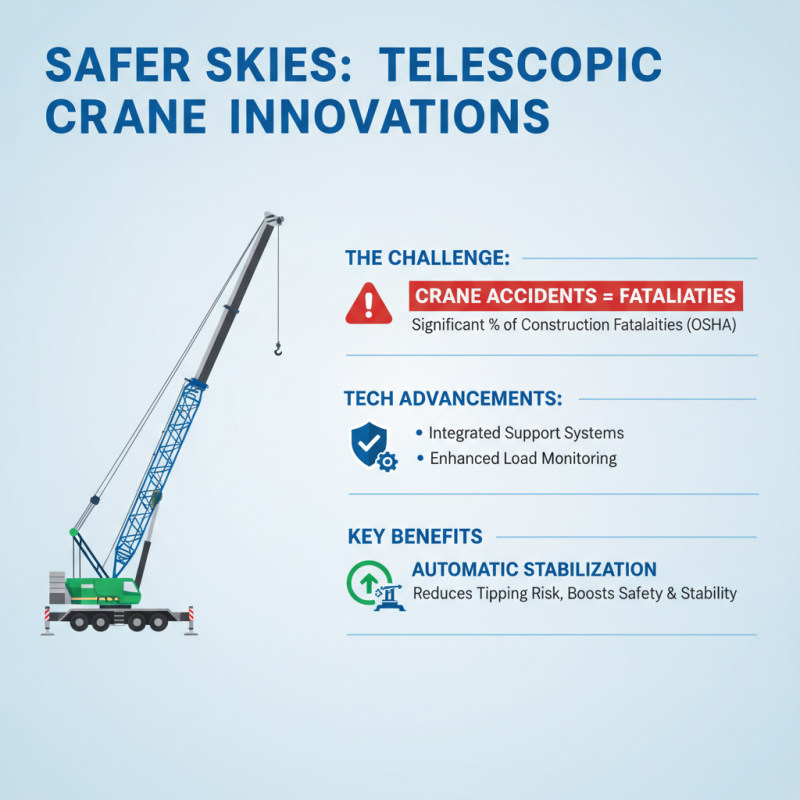
Safety innovations and stability enhancements are critical factors that contribute to the increasing popularity of telescopic boom cranes in construction projects. According to a report by the Occupational Safety and Health Administration (OSHA), crane-related accidents account for a significant percentage of fatalities in the construction industry. However, advancements in crane technology, such as integrated support systems and enhanced load monitoring capabilities, are transforming safety standards. For example, modern telescopic cranes often feature automatic stabilization systems, which adjust the base of the crane to maintain balance, reducing the risk of tipping over during operation.
In addition to stability, many telescopic boom cranes now come equipped with advanced control systems that allow operators to monitor load weights and stability in real time. The International Crane Institute reports that the implementation of such technologies has led to a 30% decrease in crane-related accidents over the last decade. Furthermore, the integration of wireless communication systems enables operators to maintain a safe distance from potential hazards while still controlling the crane efficiently. By utilizing these innovative safety measures, construction companies can significantly enhance on-site safety, protect workers, and ultimately improve project efficiency and productivity.