Top 10 Benefits of Using a Packing Machine for Your Business?
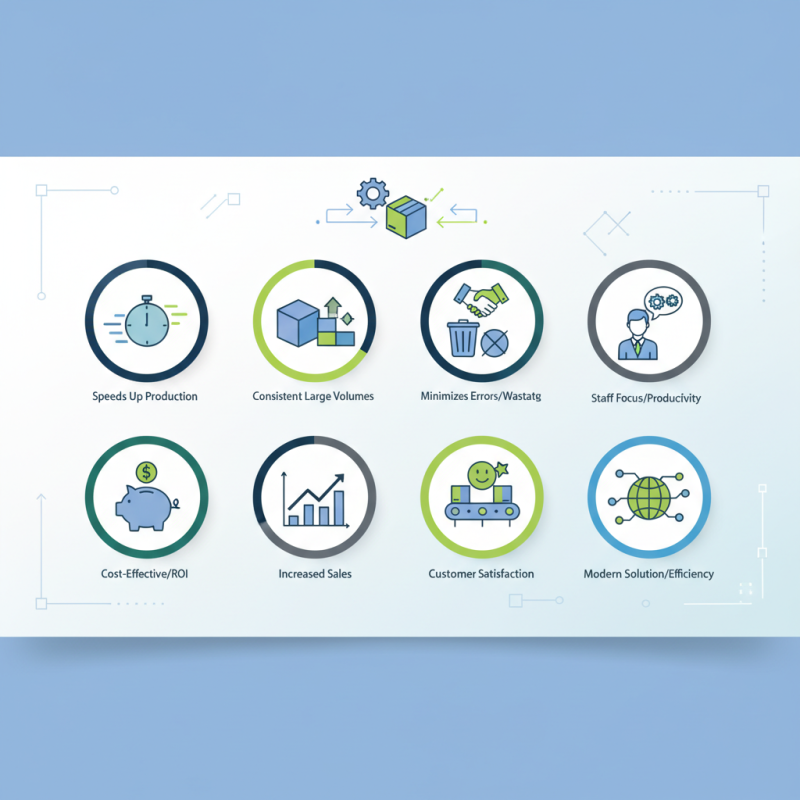
In today’s competitive market, efficiency can make or break a business. A Packing Machine offers a modern solution to improve packaging processes. This machine not only speeds up production but also ensures consistent quality. For businesses handling large volumes, the benefits are significant.
Many companies face challenges with manual packing methods. Human errors can lead to wasted materials and time. Transitioning to a Packing Machine minimizes such risks, enhancing accuracy. Moreover, it allows staff to focus on other vital tasks, leading to better overall productivity.
Investing in a Packing Machine might seem daunting. The initial cost can raise concerns. However, businesses often find that the returns outweigh the investment. Streamlined operations can lead to increased sales and customer satisfaction. Ultimately, the need for an efficient packaging solution is undeniable in today's fast-paced world.
Advantages of Enhanced Efficiency with Packing Machines
Packing machines significantly enhance efficiency in various industries. They speed up the packing process, which saves valuable time. Manual packing is often slow and prone to errors. With machines, businesses can package products quickly and consistently. This leads to faster turnaround and increased production rates. Reducing labor costs is another notable benefit. Fewer workers are needed for the packing process, which cuts costs in the long run.
Additionally, packing machines improve the quality of packaging. These machines apply uniform pressure and sealing, which minimizes the risk of damaged products. However, adopting this technology requires careful planning. Companies need to consider the initial investment and maintenance costs. It's not always easy to train staff to operate new machinery.
Sometimes, the transition can cause temporary disruptions. But, the benefits usually outweigh these challenges. As companies embrace automation, they must stay adaptable. This ensures they maximize their return on investment while fostering innovation in their operations.
Improved Product Consistency Through Automated Packing Solutions
Automated packing solutions are changing the way businesses operate. Improved product consistency is one of the key benefits. With machines handling packaging, businesses achieve uniformity. This enhances the customer's experience and increases brand trust. No longer do human errors, like inconsistent package weights or sizes, come into play. Automation minimizes these risks significantly.
However, not all packing machines are created equal. Some may not fit the specific needs of your products. It's essential to evaluate your requirements carefully. Investing in the right technology is crucial, but it can be overwhelming. A machine might excel in speed but falter in accuracy. This balance is vital for success. Addressing these mismatches early can prevent setbacks down the road.
Consistency also leads to better inventory management. Automated systems track packaging processes. Businesses can gain insights into overall efficiency. However, implementing automation requires staff training and time. This transition period might present challenges. Adapting to new technology takes effort and patience. Some employees may resist change, while others may thrive. Reflection on team dynamics is needed during this shift.
Top 10 Benefits of Using a Packing Machine for Your Business
| Benefit | Description | Impact on Business |
| Increased Efficiency | Automated packing speeds up the process compared to manual packing. | Shortens production time, allowing for higher output. |
| Improved Consistency | Consistent packing standards lead to uniformity in product presentation. | Enhances customer satisfaction with reliable product quality. |
| Cost Savings | Reduction in labor requirements and material waste through efficient packing. | Increases overall profit margins. |
| Enhanced Safety | Reduces the risk of injuries associated with manual packing processes. | Creates a safer work environment and lowers insurance costs. |
| Flexibility | Modern packing machines can be adjusted for various sizes and types of products. | Allows for quick adjustments to meet changing demand. |
| Scalability | Packing machines can accommodate increasing production volumes easily. | Supports business growth without proportionally increasing labor costs. |
| Better Resource Management | Automated systems optimize material usage and minimize waste. | Improves sustainability and lowers costs associated with materials. |
| Data Integration | Packing machines can integrate with inventory and supply chain systems. | Streamlines operations and enhances overall business efficiency. |
| Enhanced Presentation | Automated packing leads to aesthetically pleasing packaging. | Increases product appeal to customers. |
| Reduced Labor Costs | Fewer employees needed for packing allows for reallocation of labor. | Increases productivity while decreasing personnel expenses. |
Cost Reduction and Labor Savings Offered by Packing Machines
Packing machines have become essential in modern businesses. They offer significant cost reduction and labor savings. According to a 2021 report by the Packaging Machinery Manufacturers Institute, companies can save up to 30% on labor costs after integrating efficient packing solutions. This automation minimizes the need for manual labor, reducing potential errors.
Machines work faster and more consistently than human hands. They can pack items in half the time, increasing output. The same report highlights that manufacturers see a productivity increase of 25% annually. Staff can focus on more critical tasks, boosting overall efficiency. However, initial investment can be daunting. Companies must assess long-term benefits versus upfront costs.
While efficiencies are clear, some firms struggle with machine maintenance. Downtime can still occur, impacting profit margins. Implementing training for employees on new technology is crucial. Balancing labor savings with machine upkeep can be challenging but necessary for growth.
Top 10 Benefits of Using a Packing Machine for Your Business
Increased Flexibility and Customization Options for Various Products
In today’s competitive landscape, flexibility in packaging can set businesses apart. A packing machine can adapt to various product shapes and sizes, making it invaluable. Customization is essential. According to research by MarketsandMarkets, the global packaging machinery market is expected to grow by 4.6% annually. This growth is driven by the demand for diverse packaging solutions.
Packing machines offer different packaging types, such as pouches, boxes, or trays. This versatility allows companies to respond quickly to consumer trends. For example, smaller packaging sizes have surged in popularity. A Nielsen report indicates that 44% of consumers prefer smaller portions. This shift puts pressure on businesses to offer customizable packaging quickly.
However, flexibility comes with challenges. Investing in a packing machine requires thoughtful consideration. Upfront costs can be significant. Smaller businesses might hesitate. Yet, those who embrace technology can streamline production and increase brand appeal. The key lies in balancing investment with expected returns. Businesses must continuously evaluate their needs. Over time, the right packing machine can drive growth and keep pace with evolving consumer demands.
Boosting Business Growth and Scalability with Packing Technology
Packing technology plays a vital role in business growth. It improves efficiencies and reduces costs, essential for scalability. According to a recent industry report, businesses that utilize automated packing solutions observed a 25% reduction in labor costs. This statistic emphasizes how smart packing machinery can drastically change operational dynamics.
However, implementing new technology has its challenges. Staff may need training to adapt to these machines. Resistance to change can slow down productivity. Additionally, upfront costs for advanced packing systems can be significant. Businesses must analyze long-term benefits against short-term investments.
Tip: Start small. Gradually integrate packing machines into daily operations. This approach allows staff to acclimate without overwhelming disruption. Monitor the processes closely. Adjustments can lead to smoother transitions.
Another report indicates that companies that embrace packing machinery often see a 30% increase in output. While this figure is promising, it requires careful planning. Ensure that your supply chain can handle the increased volume. Coordination is key to unlocking the full potential of packing technology.