Choosing the best boom truck crane for global buyers is not a simple brand comparison. The right choice depends on lifting capacity, working height, road conditions, maintenance access, and local operator skills. A crane that performs well on a paved European site may struggle on rough roads in Africa or remote construction zones in Southeast Asia.
Mike Parnell, a recognized crane-training specialist and president of Industrial Training International, offers a useful principle: “The best crane is the one that fits the job.” That idea should guide every purchase decision. Buyers need to examine real lifting charts, not only impressive headline capacities. A 10-ton boom truck crane may sound powerful, but its reach, counterweight, outrigger spread, and rated load at full extension matter more.
This guide compares practical factors that global buyers often overlook. These include chassis durability, hydraulic system quality, spare-parts availability, safety controls, emissions requirements, and technical training. A strong dealer network can be as valuable as the crane itself. Downtime is expensive.
The answer may not be perfect. It depends on the project. Some buyers may prioritize a lower purchase price, while others need long service life and precise load control. That tension deserves honest attention. We will examine leading configurations, common weaknesses, and purchasing questions before naming the most suitable boom truck crane options for international work. The goal is not to promote one machine blindly. It is to support a safer, more informed decision.
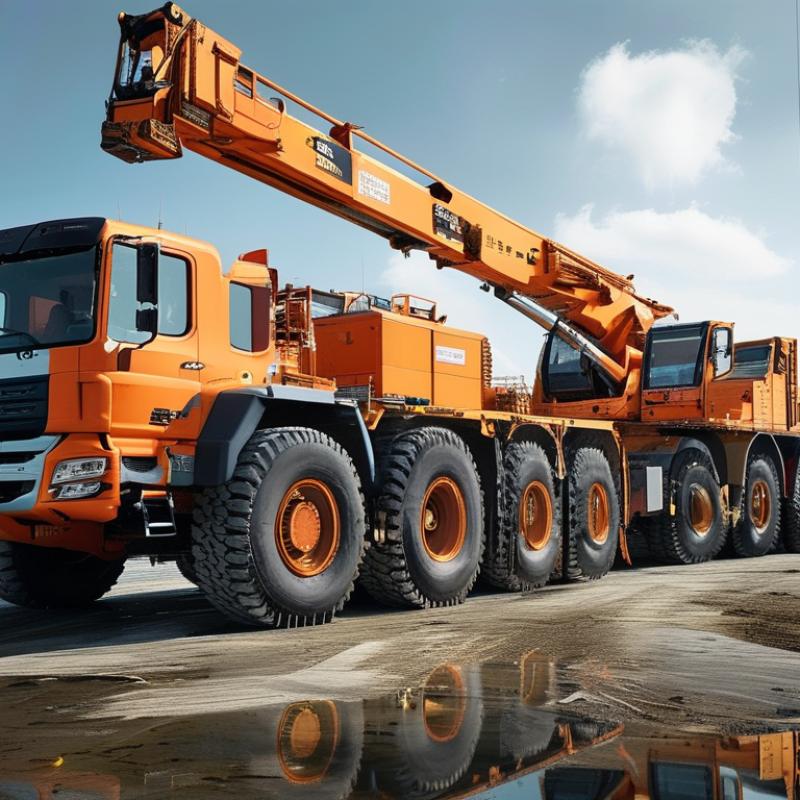
A China boom truck crane is a truck-mounted lifting machine manufactured in China. It combines a road vehicle with a hydraulic crane and a telescopic or folding boom. The truck carries materials, while the boom loads, unloads, or positions them at construction sites, ports, warehouses, and utility projects. A typical unit includes a chassis, hydraulic pump, control valves, outriggers, lifting hook, and safety systems.
The crane’s rated capacity changes with boom length and working radius. For example, a crane may lift several tonnes near the truck but far less when fully extended. Buyers should examine load charts, not only the maximum lifting figure.
Check the chassis rating, axle load, turning radius, hydraulic response, and outrigger spread. A level concrete surface matters. So does operator visibility.
Practical evaluation should include a factory inspection, weld checks, hose protection, cylinder movement, and emergency stop testing. Ask for test records, operating manuals, spare-part guidance, and clear warranty terms. Certification requirements differ between countries, so local engineers should verify compliance before shipment. A lower price can be attractive, but weak after-sales support may increase downtime. No crane is perfect. Catalog photographs can hide access problems, maintenance needs, or transport limits. Global buyers should compare complete operating costs, not just the quotation.
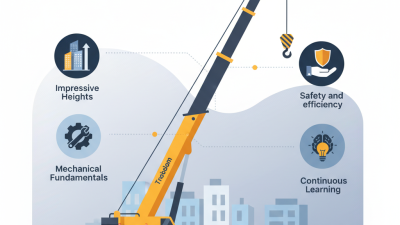
A China boom truck crane combines a road vehicle with a hydraulic lifting system. The truck carries the crane, controls, and load across normal work routes. At the site, hydraulic outriggers extend from the chassis. They widen the support base and reduce chassis movement during lifting.
The process begins with the power take-off, which transfers engine power to a hydraulic pump. The pump sends pressurized oil through control valves. These valves operate the boom cylinders, telescopic sections, winch, and slewing motor. When the operator raises the boom, hydraulic pressure pushes a cylinder outward. To extend the boom, another circuit moves nested steel sections smoothly. The winch then winds steel rope around a drum and lifts the load through a hook block.
Capacity changes with radius. A load may be safe near the truck but unsafe at full boom reach. The rated load chart must match the boom length, angle, counterweight, and outrigger position. Electronic indicators can warn about overload, but they do not replace trained judgment. Small errors matter. Uneven ground, wind, or a partially extended outrigger can alter stability quickly. In practical inspections, oil leaks, damaged wire rope, loose pins, and cracked welds deserve immediate attention. The cleanest control panel cannot correct poor setup. Operators should also check overhead clearance and confirm that the lifting path stays clear of people and obstacles. Some manuals appear straightforward, yet real sites are less predictable. That gap deserves careful reflection before every lift.
A suitable boom truck crane depends on the required lifting capacity, working radius, boom length, road regulations, and service conditions. The chart shows representative capacity ranges commonly used for light-, medium-, and heavy-duty truck cranes in global markets.
Boom truck cranes use a hydraulic pump to pressurize oil and move cylinders that raise, lower, and extend the boom. Outriggers stabilize the truck before lifting, while the load chart defines the safe capacity at each working radius. Actual specifications vary according to boom length, truck chassis, counterweight, and local safety standards.
For global buyers, the best China boom truck crane is not defined by lifting capacity alone. Specification matching matters more than impressive numbers. Check the rated load at each boom length, not only the maximum capacity. A crane lifting 10 tons near the truck may lift far less at full outreach. This difference affects real projects.
Boom reach, rated moment, and hydraulic performance deserve close attention. A practical model should provide smooth extension under partial loads. Look for a reliable hydraulic circuit, proportional controls, and clear pressure readings. Stabilizer width also matters on crowded roads or uneven construction sites. A wider stance improves stability, but it may reduce access in narrow areas. Small details matter.
The truck chassis should match the crane’s gross vehicle weight and local road limits. Confirm axle loads, turning radius, ground clearance, and transport height before purchase. A powerful crane on a weak chassis creates long-term maintenance problems. Ask for material certificates, load-test records, safety documentation, and a clear spare-parts plan. Climate protection is important too. Coastal buyers may need stronger corrosion protection, while cold regions need suitable hydraulic fluids. Field evaluations often expose gaps between catalog figures and daily performance. I would question any specification that lacks test conditions. Rechecking these details takes time, but it can prevent an expensive mistake.
Global buyers should compare Chinese boom truck cranes by verified performance, not brochure lifting capacity. MarketsandMarkets’ 2023 Mobile Cranes Market report forecasts steady growth through 2028, increasing pressure on manufacturers to prove reliability. Check the load chart at several working radii, not only the maximum rating. A 12-ton crane may lift 12 tons near the base, but far less at full outreach. Measure boom deflection, hydraulic recovery time, outrigger spread, and chassis axle loads during a witnessed test.
Manufacturer comparison requires evidence. Request ISO 9001 records, EN 12999 or ASME B30.22 compliance documents, welding procedures, fatigue-test results, and serialised inspection reports. Confirm whether the certificate covers the complete crane or only one component. That difference matters. The International Trade Centre’s Trade Map data shows China is a major exporter of lifting machinery, but export volume does not prove after-sales quality. Ask for parts lead times, technician training, warranty exclusions, and service coverage in your destination country. Test remote diagnostics in a weak-signal area.
Model selection should match actual work. A short-wheelbase truck may suit urban deliveries, while a longer chassis offers better stability but increases turning space. Compare pump efficiency, control smoothness, emergency lowering, and corrosion protection. Read the manual before signing. A polished datasheet can still hide maintenance access problems. Buyers sometimes focus too heavily on price; that is a predictable mistake, but not a harmless one. Independent inspection before shipment remains valuable, even when factory videos look convincing.
| Comparison Category | Light-Duty Boom Truck | Medium-Duty Boom Truck | Heavy-Duty Boom Truck | Long-Reach Telescopic Model | Buyer Evaluation Point |
|---|---|---|---|---|---|
| Typical Rated Lifting Capacity | 3–5 tonnes | 6–10 tonnes | 12–20 tonnes | 8–16 tonnes | Compare capacity at the required working radius, not only the maximum rated capacity. |
| Typical Maximum Lifting Moment | 60–120 kN·m | 120–250 kN·m | 250–500 kN·m | 180–350 kN·m | Use the load-moment chart to confirm safe lifting performance at different boom angles and extensions. |
| Typical Maximum Horizontal Reach | 6–10 m | 8–13 m | 10–18 m | 12–22 m | Longer reach normally reduces lifting capacity; request the complete load chart. |
| Typical Number of Hydraulic Boom Sections | 2–3 sections | 3–4 sections | 3–5 sections | 4–6 sections | More sections improve reach but add weight, hydraulic complexity, and maintenance requirements. |
| Typical Vehicle Gross Weight | 7.5–12 tonnes | 12–20 tonnes | 20–35 tonnes | 16–30 tonnes | Confirm local road-weight limits, axle-load rules, and registration requirements before ordering. |
| Best-Fit Applications | Urban delivery, utility maintenance, small construction sites | General construction, equipment transport, municipal work | Heavy machinery handling, infrastructure, industrial projects | High-position placement, pipe handling, precast installation, utility work | Select the smallest class that safely covers the heaviest planned load and reach. |
| Recommended Stabilizer Configuration | Rear stabilizers; front stabilizers optional | Front and rear stabilizers recommended | Wide front and rear stabilizers, often with additional side support | Wide stabilizer spread with interlocked control system | Check stabilizer footprint against the available site space and ground-bearing capacity. |
| Control System | Manual or basic hydraulic controls | Hydraulic proportional controls commonly available | Proportional controls with overload protection recommended | Remote control and electronic load monitoring commonly specified | Compare control smoothness, emergency stop functions, fault displays, and operator training needs. |
| Hydraulic System Requirements | Simple open-center system; moderate oil flow | Higher-flow hydraulic pump and larger oil reservoir | High-flow system with filtration and temperature management | High-flow, multi-section system requiring careful hose routing | Request pump flow, working pressure, oil capacity, filtration grade, and hose specifications. |
| Common Power Take-Off Requirement | Vehicle transmission PTO | Transmission PTO sized for continuous hydraulic duty | Heavy-duty PTO with verified torque and operating-speed limits | High-capacity PTO and hydraulic pump package | Confirm compatibility with the selected chassis transmission and engine operating speed. |
| Typical Transport Advantage | Lowest purchase and operating cost; easy urban maneuverability | Balanced lifting capability and road mobility | High lifting performance for demanding projects | Greater vertical and horizontal placement flexibility | Evaluate payload remaining after crane installation, bodywork, fuel, tools, and accessories. |
| Safety Features to Verify | Load-holding valves, emergency stop, stabilizer locks | Overload protection, boom-angle indicator, hydraulic safety valves | Rated capacity limiter, load-moment indicator, interlocked stabilizers | Electronic load monitoring, anti-two-block protection where applicable, remote emergency stop | Require documented functional tests and safety-device calibration records. |
| Documents to Request from the Manufacturer | Specification sheet, load chart, user manual, inspection report | All light-duty documents plus hydraulic and chassis interface drawings | Full load charts, structural calculations, test certificates, maintenance schedule | Full boom-extension data, stability calculations, control-system manual, installation drawings | Do not rely on a brochure alone; match every claim with a signed technical document. |
| International Compliance Checks | Applicable local vehicle and lifting-equipment rules | Applicable local rules; verify electrical and hydraulic documentation | Applicable local rules plus third-party inspection usually advisable | Applicable local rules, stability verification, and control-system conformity | For European projects, confirm whether EN 12999, Machinery Regulation, CE, or other requirements apply. |
| Best Choice for Global Buyers | Best for frequent urban work and moderate loads | Best all-round option for mixed construction and transport duties | Best for high-capacity industrial and infrastructure operations | Best when reach and placement height are more important than maximum payload | The best model is the one that satisfies the required load chart, road rules, service support, and total cost of ownership. |
A China boom truck crane should be judged beyond purchase price. The International Labour Organization reported 2.93 million work-related deaths and 395 million non-fatal injuries annually in 2023. That figure makes safety verification a buying requirement, not a brochure feature. Request the rated load chart, maximum working radius, outrigger requirements, emergency-stop design, and stability calculations. Compare them with local rules and recognized standards, such as EN 13000 or applicable national crane regulations. Test the serial plate against factory records. Small mismatches matter.
Import checks can prevent expensive delays. Confirm the correct HS classification, commercial invoice, packing list, certificate of origin, and machine documentation before shipment. Ask whether the vehicle meets the destination’s emissions, road-width, lighting, and axle-load requirements. A crane may lift correctly yet fail road registration. That is an uncomfortable possibility. Inspect welds, hydraulic hoses, control labels, and corrosion protection through dated photographs or an independent inspection. UN Comtrade trade data can help compare supplier countries and shipment patterns, but it cannot prove machine quality.
Service capacity deserves equal attention. Request a parts list with lead times, maintenance intervals, hydraulic oil specifications, and remote troubleshooting procedures. Ask for a commissioning checklist and operator training records. ISO 4309 provides guidance for wire-rope inspection and retirement, while local authorities may require additional examinations. A serious seller should explain who performs load testing after arrival. Do not accept “global service” without names, response times, and stocked parts locations. In practice, one missing sensor can stop a project for days. Verify that risk before signing.