What is the Best Fractional Laser for Skin Rejuvenation?
In the evolving world of skin rejuvenation, the role of Fractional Lasers cannot be understated. Renowned dermatologist Dr. Jane Smith emphasizes, “Fractional lasers offer a nuanced approach to skin repair.” This technique harnesses the power of precise laser energy to target specific skin issues, promoting healing while minimizing downtime.
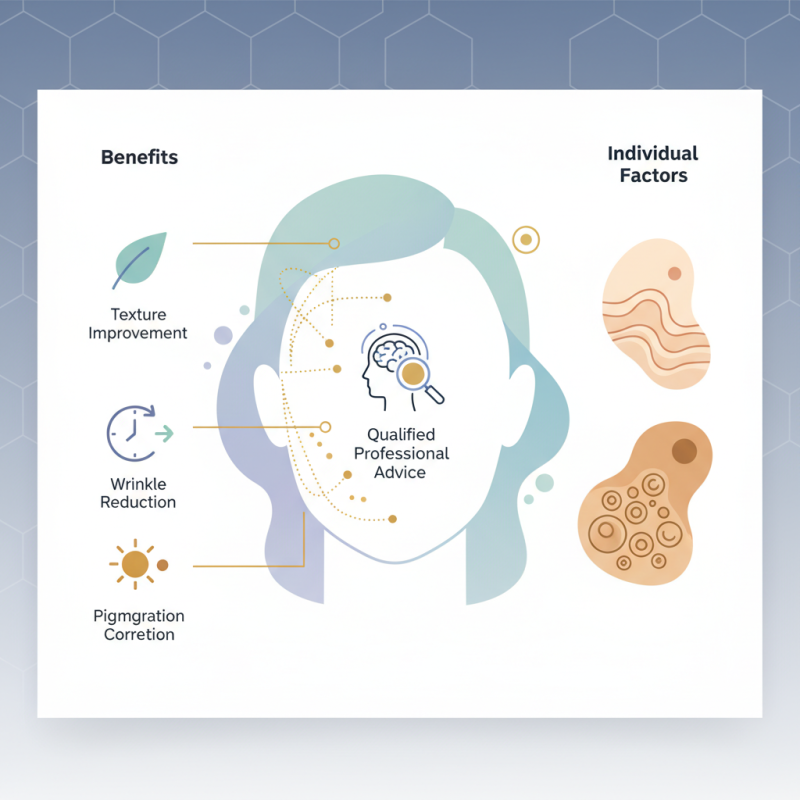
Fractional lasers work by creating microscopic wounds in the skin, triggering natural healing processes. This innovative method improves texture, reduces wrinkles, and addresses pigmentation. Despite their effectiveness, choosing the best fractional laser can be a challenge. Each device may offer unique benefits and limitations.
It's important to remember that not all patients will achieve the same results. Individual skin types and conditions may respond differently. Seeking advice from a qualified professional can help clarify which fractional laser suits your needs best. Understanding these nuances aids in making informed decisions, ensuring a tailored approach to skin rejuvenation.
Types of Fractional Lasers Used for Skin Rejuvenation
Fractional lasers are a popular choice for skin rejuvenation. They work by delivering laser energy to targeted areas of the skin, stimulating collagen production. This process helps to improve skin texture, tone, and elasticity. Different types of fractional lasers exist, each with unique features and benefits.
One common type is the ablative fractional laser. This laser removes the outer layers of skin, promoting significant improvement in wrinkles and scars. Patients often report noticeable changes after a single treatment. However, the recovery time can be longer compared to non-ablative options.
Non-ablative fractional lasers are less invasive. They heat the deeper layers of skin without damaging the surface. This method requires minimal downtime, making it appealing to those with busy lives. Results may take time to appear, often requiring multiple sessions for the best outcome. Users may find that some skin concerns remain, needing further treatment for improvement.
What is the Best Fractional Laser for Skin Rejuvenation?
| Laser Type | Wavelength (nm) | Skin Concerns | Recovery Time | Results Duration |
| CO2 Laser | 10600 | Severe wrinkles, scars | 1-2 weeks | 1-2 years |
| Erbium Laser | 2940 | Fine lines, uneven texture | 1 week | 1 year |
| Fractional Radiofrequency | N/A | Skin tightening, mild wrinkles | 3-5 days | 1-2 years |
| Nd:YAG Laser | 1064 | Pigmentation, vascular lesions | 1 week | 6 months - 1 year |
How Fractional Lasers Work: Mechanism of Action
Fractional lasers are a popular choice for skin rejuvenation. They work by creating micro-injuries in the skin. This process stimulates the body's natural healing response. As the skin heals, new collagen and elastin are produced. This leads to smoother, firmer skin over time.
The mechanism of action is quite fascinating. Fractional lasers emit light in a grid-like pattern. This targeted approach prevents damage to surrounding tissues. As a result, recovery is quicker than with traditional laser treatments. You may notice some redness and swelling initially. However, these effects usually subside within a few days. Patients often report improved skin texture and tone after several sessions.
It’s important to consult with a qualified practitioner before starting any treatment. Each skin type and condition is unique. What works for one person might not work for another. Therefore, setting realistic expectations is crucial. While the results can be impressive, they vary widely. Continuous care and maintenance treatments may be necessary for optimal results.
Key Benefits of Using Fractional Lasers for Skin Improvement
Fractional lasers have gained popularity for skin rejuvenation. They offer a range of benefits that make them a preferred choice for many. One key advantage is their ability to improve skin texture and tone. The laser targets specific areas, leaving surrounding tissue intact. This approach promotes quicker healing and reduces downtime. Patients often report smoother skin and a more youthful appearance after treatment.
Another significant benefit is the reduction of fine lines and wrinkles. Fractional lasers stimulate collagen production, which is essential for maintaining skin elasticity. As collagen builds up, skin appears firmer and more resilient. Many individuals find this treatment effective in addressing signs of aging without invasive procedures. The gradual improvement can be a rewarding process, though results may vary.
However, laser treatments are not without their challenges. Some patients experience redness and swelling post-treatment. These side effects are usually temporary but can affect your daily activities. It's crucial to have realistic expectations. Consulting with a qualified professional can help you navigate these concerns and tailor a plan that suits your needs.
Factors to Consider When Choosing a Fractional Laser
Choosing the right fractional laser for skin rejuvenation involves various critical factors. One of the primary considerations is skin type. Different lasers cater to specific skin tones. It's essential to assess how your skin reacts to certain treatments. Some skin types may require more gentle approaches. Consulting a certified dermatologist can provide tailored insights.
The depth of laser penetration is another key factor. Different lasers target various skin issues. Some focus on fine lines, while others address deeper scars. Understanding your unique skin concerns is vital. A thorough skin analysis will guide you in selecting an appropriate laser. It’s also worth noting that results can vary. Some individuals may see quick improvement, while others might need multiple sessions.
Recovery time is an aspect often overlooked. Post-treatment care can impact outcomes. While some lasers allow for swift recovery, others may require downtime. Consider your lifestyle and schedule when making a choice. Everyone's skin responds differently, leading to varying degrees of redness or discomfort. Keeping realistic expectations is crucial as well. Tailoring the treatment plan to your needs ensures the best results.
Comparative Analysis of Popular Fractional Laser Devices
When exploring fractional laser devices for skin rejuvenation, it's essential to consider various technologies available today. Each option has unique strengths and weaknesses. Some lasers penetrate deeper into the skin, offering a more aggressive approach. Others target surface issues, such as pigmentation and fine lines. Understanding these differences can help practitioners tailor treatments to individual patient needs.
The effectiveness of these lasers often depends on skin type and concerns. For instance, one device may provide excellent results for acne scars. Meanwhile, another might excel in treating sun-damaged skin. Patient feedback also plays a significant role. Some report discomfort during treatment, while others express satisfaction with minimal downtime. Engaging in discussions with experienced practitioners can clarify which device aligns with specific goals.
Reflecting on patient outcomes is vital. Not every treatment will yield perfect results. Variability in healing times and responses exists. Some patients may require multiple sessions to achieve desired effects. This ongoing assessment is crucial in refining treatment plans and ensuring safety. Ultimately, the best fractional laser for each patient is one that meets their unique needs while considering the nuances of their skin.