10 Best Telescopic Truck Cranes for Your Lifting Needs?
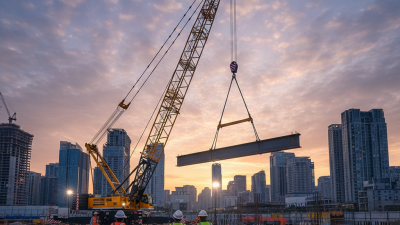
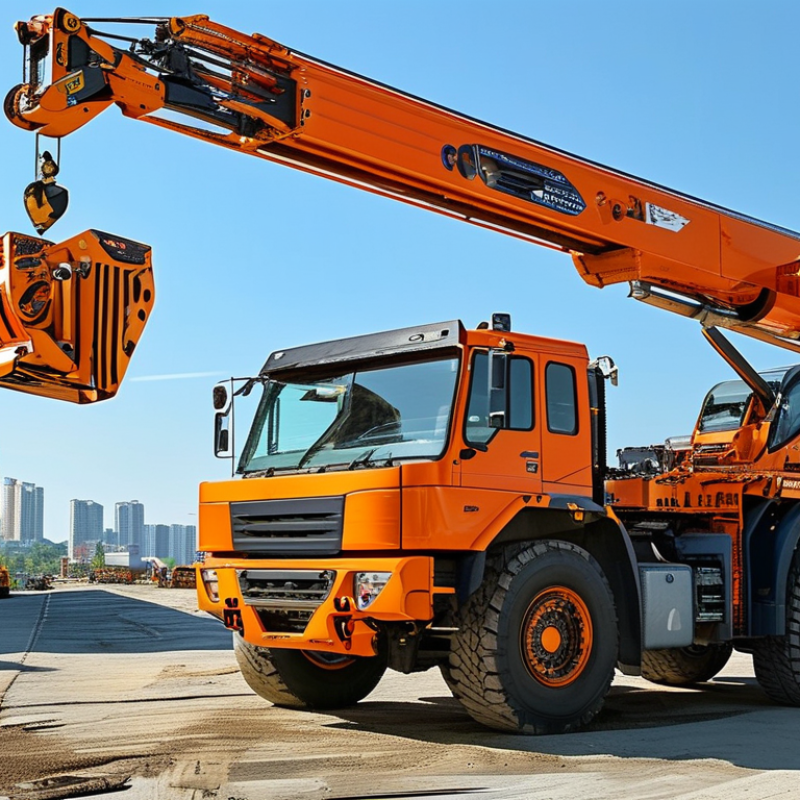
In the world of heavy lifting, the telescopic truck crane stands out for its versatility and power. These cranes come equipped with extendable booms, allowing for impressive reach and height capabilities. Construction sites, warehouses, and industrial settings often rely on these machines to move heavy loads efficiently.
Choosing the right telescopic truck crane can be a daunting task. Each model offers different features and specifications. Factors like load capacity, boom length, and overall design influence the crane's performance. It's essential to understand your specific lifting needs before making a decision.
While some cranes excel in maneuverability, others may offer enhanced stability. Therefore, it’s crucial to assess both the job requirements and the machine’s capabilities. This guide explores the ten best telescopic truck cranes available. We aim to provide insights that help in making an informed choice for your lifting operations.
Features to Consider When Selecting Telescopic Truck Cranes for Lifting
When selecting telescopic truck cranes, several factors come into play.
Load capacity is critical. Many industries require cranes with at least a
20-ton capacity for heavy materials. It’s essential to assess
specific lifting requirements. Analyzing the weight of materials often reveals gaps in available equipment. Oversizing
can lead to wasted resources, while underestimating needs may risk safety.
Stability is another consideration. A crane’s stability chart provides insight into its safe lifting capacities.
According to industry reports, over 30% of accidents involve
improperly stabilized cranes. Operators should understand extension limits and
load dynamics. Understanding the working radius is vital for safe operations. This often requires
comprehensive training.
Compatibility with terrain is also important. Cranes may perform differently on unstable ground or slopes. A report
showed that 45% of crane-related incidents occur due to inadequate assessments
of ground conditions. Prior evaluations can help to avoid costly mistakes. Operators must account for
environmental conditions, as weather influences crane performance. Factor these nuances in your selection process for
optimal safety and efficiency.
Top Safety Standards and Certifications for Telescopic Truck Cranes
When considering telescopic truck cranes, safety standards are paramount. These cranes must adhere to rigorous national and international safety regulations. According to the Crane Safety Association, nearly 56% of crane accidents involve improper use or lack of operator training. Therefore, certification from recognized organizations significantly reduces this risk.
In the realm of safety certifications, cranes often receive ratings based on their design and operational practices. The American National Standards Institute (ANSI) guidelines ensure equipment meets crucial safety criteria. A crane that complies with ANSI standards typically shows a reduction in workplace injuries by up to 30%. Regular inspections and maintenance enhance reliability and ensure compliance with these critical standards.
The importance of operator training cannot be overstated. A National Institute for Occupational Safety and Health (NIOSH) report revealed that cranes operated by certified professionals have a 40% lower accident rate. Proper training includes understanding load limits, terrain assessments, and emergency protocols. Insufficient training raises questions about the effectiveness of safety measures in place. It's essential to prioritize education and certification to improve overall safety when utilizing telescopic truck cranes.
A Comparative Analysis of the Best 10 Telescopic Truck Cranes in 2023
When seeking the best telescopic truck cranes for lifting needs, understanding their features and capabilities is essential. These cranes are designed for heavy loads and offer flexibility on the job site. Their extended reach allows operators to lift materials from greater distances, making them invaluable in construction and industrial applications.
One notable aspect is their mobility. Many telescopic cranes can easily navigate varied terrains. This versatility is crucial for shifting job sites. Operators should consider boom length and lifting capacity, as these factors directly influence performance. However, it is also important to reflect on the limitations. High winds can affect stability, leading to potential safety issues. Regular maintenance is needed to ensure reliability, yet some users may underestimate this necessity.
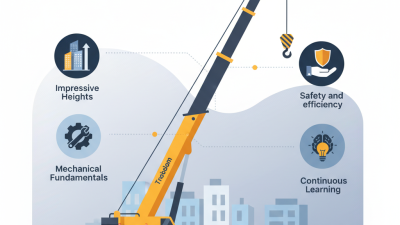
Another element to ponder is operator training. Proper knowledge of crane operations enhances safety and efficiency. Inadequate training can lead to accidents or equipment damage. While many cranes come equipped with advanced safety features, human error remains a significant risk. Each model may have differing controls and specifications. Therefore, continuous learning and adaptation are vital for anyone using these machines. This reflection on best practices can enhance overall operational effectiveness.
Payload Capacities and Work Ranges of Leading Telescopic Truck Cranes
When selecting a telescopic truck crane, identifying payload capacities and work ranges is essential. Many models can lift between 20 and 80 tons, depending on design and engineering. For heavy-duty applications, cranes with a reach exceeding 200 feet are often preferred, especially in construction projects requiring extensive outreach.
Utilizing reports from industry standards reveals that advancements in materials have improved crane performance. For instance, modern hydraulic systems allow for lighter frames while maintaining stability. It's notable that while some cranes boast high capacities, they may struggle with maneuverability on uneven terrains. Hence, sometimes a crane with a lower capacity offers better flexibility in confined spaces.
Tip: Always assess your project's specific lifting requirements first. This helps avoid costly mistakes. Additionally, consider the crane's self-supporting features when working in urban environments. A crane with a compact design might handle load distribution more effectively. Not every crane is optimal for every task. Understanding the operational limits is crucial for safety. Keep these factors in mind as they can directly impact efficiency and safety on the job site.
Payload Capacities and Work Ranges of Leading Telescopic Truck Cranes
Maintenance Tips for Prolonging the Lifespan of Telescopic Truck Cranes
Telescopic truck cranes are essential in construction and industrial applications. However, without proper maintenance, their lifespan can drastically reduce. Regular inspections are vital. The American Crane and Transport Association notes that cranes face significant wear and tear, which can lead to failures if not addressed.
Lubrication is crucial for moving parts. A lack of grease can cause friction, leading to breakdowns. According to the Machinery Failure Prevention Technology (MFPT), approximately 30% of crane failures are due to poor lubrication. Operators should follow manufacturer's recommendations for lubrication schedules. This ensures that all components function smoothly.
Operator training also plays a key role in maintenance. Proper training helps prevent misuse that can lead to damage. A report by the National Commission for the Certification of Crane Operators highlights that well-trained operators reduce accidents and enhance crane longevity. Inspections after heavy usage or extreme weather should be standard practice. These measures may seem basic, but ignoring them can lead to costly repairs and downtime.