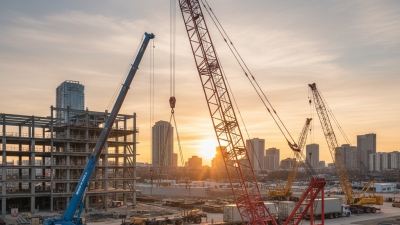
Why Choose a Large Mobile Crane for Your Construction Needs?
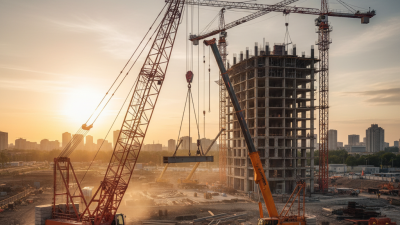
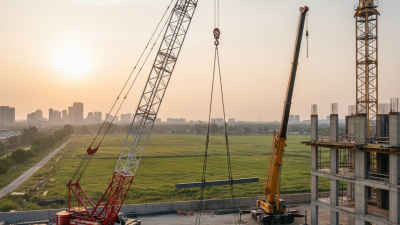
When it comes to construction projects, choosing the right equipment is crucial. A large mobile crane stands out as a top choice for many builders. Its versatility and strength make it ideal for various tasks. Projects that involve heavy lifting benefit immensely from the capabilities of a large mobile crane.
Construction sites can be unpredictable. There may be tight spaces or uneven ground. A large mobile crane can adapt to these challenges better than smaller alternatives. Its ability to lift substantial loads means projects can progress smoothly and efficiently. Investing in a large mobile crane ensures that the demanding requirements of your project are met with confidence.
The expertise required to operate a large mobile crane cannot be underestimated. Professional operators understand the nuances involved, ensuring safety and compliance. However, it is essential to acknowledge that even the best equipment has limitations. Regular maintenance and skillful operation are vital for optimal performance. In this quickly evolving industry, evaluating your options is necessary to make the best decisions for your construction needs.
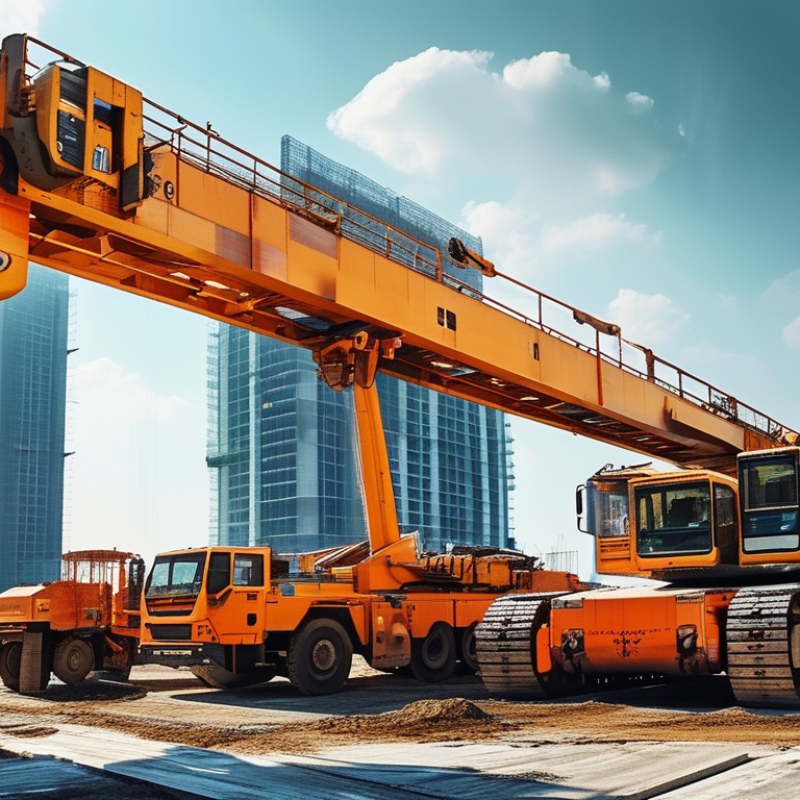
Factors Influencing the Decision to Use a Large Mobile Crane
When considering a large mobile crane for your construction needs, several factors come into play. One crucial aspect is the weight capacity. Large cranes can lift significant loads, making them suitable for hefty materials. This means you can transport steel beams or pre-cast concrete panels effortlessly. However, the operational complexity grows with size. Operators must possess skills and training specific to larger models.
Site conditions also influence your decision. Uneven terrain may limit the crane's stability. Large cranes often require more space and comprehensive setup. Proper planning is essential to avoid accidents and delays. The availability of support infrastructure, such as access roads and power sources, can further complicate crane usage. Reflecting on your project needs is vital. Will a large crane enhance efficiency, or is a smaller model more appropriate?
Cost is another critical factor. Large cranes come with higher rental and operational costs. While the initial investment might seem daunting, the long-term benefits can justify the expense. Careful assessment of project timelines and budgets is necessary. Balancing cost against operational needs can lead to better decisions. Each project is unique, demanding thoughtful consideration of all these variables.
Factors Influencing the Decision to Use a Large Mobile Crane
Key Advantages of Large Mobile Cranes in Construction Projects
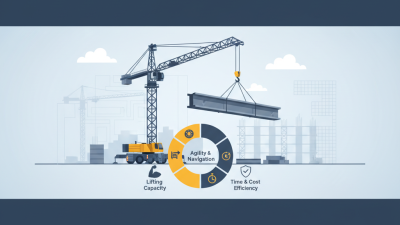
Large mobile cranes are essential in construction, offering unique advantages. They provide remarkable lifting capacities, often reaching up to 1,200 tons, which allows them to handle heavy materials efficiently. This capability is critical for projects that involve large structural components. According to the American National Standards Institute, 85% of construction projects have benefited from using heavy lifting equipment like these cranes, demonstrating their importance.
Another advantage is mobility. Large mobile cranes can easily relocate to different sites, reducing downtime. This mobility saves time, which can translate into cost savings. For instance, a report from the Global Construction Equipment Market indicates that using mobile cranes can cut project timelines by as much as 30%. However, improper setup and insufficient operator training can lead to accidents and delays.
Moreover, large mobile cranes offer versatility. They can work in various environments, including urban areas, where space is limited. Yet, this versatility comes with challenges, such as needing precise planning to ensure safety and efficiency. Detailed risk assessments must be conducted to avoid potential mishaps, ensuring that cranes are used effectively while prioritizing worker safety. Balancing these factors is crucial for successful project execution.
Types of Large Mobile Cranes and Their Specific Applications
Large mobile cranes are essential in construction. They offer various types designed for specific applications. Understanding the differences between these cranes can help you select the right one for your project.
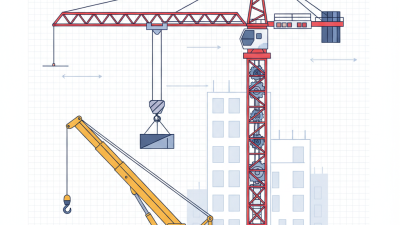
All-terrain cranes are known for their versatility. They can operate on rugged terrain and smooth surfaces alike. These cranes are perfect for urban construction and remote site work. Their unique design allows them to move easily from one location to another. However, they may have limitations in lifting heavy loads compared to specialty cranes.
Then, there are rough terrain cranes. These cranes are built to navigate challenging landscapes. They excel in construction sites with rough ground conditions. These cranes feature large wheels and a powerful four-wheel drive system. Still, the need for setup time can slow down operations. Lastly, telescopic cranes offer an extended reach while remaining compact. They are ideal for jobs in tight spaces. However, users must be cautious of their load limits.
In selecting a crane, consider your site’s specific needs. Each crane type presents unique advantages and drawbacks. Finding the right balance can enhance your project’s efficiency. Keep in mind that a large mobile crane can transform your construction experience.
Safety Considerations When Utilizing Large Mobile Cranes
When utilizing large mobile cranes, safety should always be a primary concern. These machines can lift heavy loads, yet their operation involves several risks. Operators must undergo thorough training. Their expertise ensures safe handling of the crane. They should understand the limits of the equipment. Knowing the load capacity is crucial; exceeding it can lead to accidents.
Site conditions also play a significant role in safe crane operation. Assessing the ground stability is essential. Uneven surfaces can cause tipping. Weather conditions, such as strong winds, should be monitored. It's important to halt operations when conditions are unsafe. Communication among team members is vital. Everyone needs to be aware of the plan and any changes during lifting.
However, even with precautions, things can go wrong. Issues like mechanical failures may arise unexpectedly. Regular maintenance checks are necessary to minimize risks. Operators should conduct pre-lift inspections to identify potential problems. We must always be prepared for unexpected scenarios. A proactive mindset can prevent accidents and promote a safer work environment.
Why Choose a Large Mobile Crane for Your Construction Needs? - Safety Considerations When Utilizing Large Mobile Cranes
| Aspect |
Importance |
Safety Measures |
| Load Capacity |
High load capacity ensures the crane can handle large materials safely |
Regular load testing and certification of the crane |
| Stability |
Enhanced stability reduces the risk of tipping over |
Proper ground preparation and use of outriggers |
| Operator Training |
Trained operators increase site safety and efficiency |
Mandatory certification and training programs |
| Environmental Factors |
Adapting to environmental conditions prevents accidents |
Assessing wind speeds and weather conditions regularly |
| Inspection and Maintenance |
Regular inspections extend the crane's lifespan |
Routine maintenance checks and repairs by qualified personnel |
Cost-Benefit Analysis of Investing in Large Mobile Cranes for Construction
When considering a large mobile crane for construction, a cost-benefit analysis becomes essential. The upfront investment is significant, typically ranging from $100,000 to over $1 million. However, the potential returns can be substantial. According to the National Commission for the Certification of Crane Operators (NCCCO), projects that utilize large mobile cranes often see a time reduction of up to 30%. This efficiency translates directly into labor savings and can accelerate project timelines.
In addition to increased productivity, large mobile cranes can handle heavy lifts. They have a lifting capacity that can exceed 1,000 tons. This capability allows for the transportation of large materials directly to the site, reducing the need for multiple smaller lifts. Yet, not every construction project requires such heavy equipment. Misjudging the necessity can lead to wasted resources. Operators must assess project specifics to determine if the larger investment is justified.
While the benefits are clear, the risks deserve attention. Maintenance costs for these cranes can be high, averaging around 15% of the initial investment annually. This ongoing expense can impact budgeting if not carefully monitored. Construction companies must weigh these factors. A thorough analysis ensures they invest wisely, optimizing both performance and costs over the crane's operational life.