Why Choose a Telescopic Mobile Crane for Your Next Project?
When planning your next construction project, the choice of equipment can significantly impact efficiency and safety. A telescopic mobile crane stands out as a versatile option. These cranes are known for their impressive reach and maneuverability. They can easily navigate tight spaces and lift heavy loads to great heights.
Using a telescopic mobile crane can enhance productivity. Its extendable boom allows for lifting to various heights without relocating the crane. The compact design facilitates access to challenging job sites, making it ideal for urban construction. Yet, it’s essential to consider the expertise required to operate such equipment effectively.
While telescopic mobile cranes offer numerous advantages, careful planning is necessary. They require skilled operators to ensure safety and efficiency. The benefits can be significant, but understanding limitations is also crucial. A well-informed decision about using a telescopic mobile crane can lead to a successful project outcome.
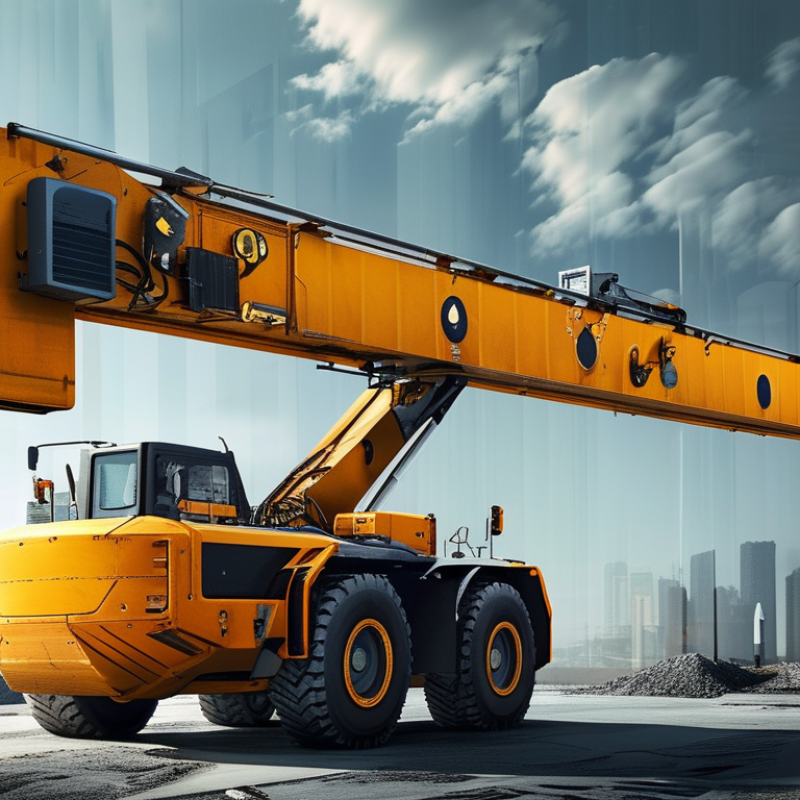
Advantages of Telescopic Mobile Cranes in Construction Projects
Telescopic mobile cranes are rapidly becoming a preferred choice in construction projects. They offer flexibility and efficiency that traditional cranes often lack. According to a report from the International Federation of Crane Operators, approximately 35% of construction companies noted reduced operation time when using telescopic cranes compared to other types. This is largely due to their ability to extend and retract quickly, allowing for faster setup and takedown.
One significant advantage of telescopic cranes is their compact design. They require less space on site, making them ideal for urban projects. This reduced footprint means less disruption to surrounding areas. Another study indicated that projects utilizing telescopic mobile cranes saw a 25% increase in safety compliance. The enhanced visibility and maneuverability contribute to safer working conditions.
However, it's essential to consider their limitations. Telescopic cranes can struggle with heavy loads at maximum extension. In a construction report, 15% of operators highlighted challenges in lifting with full boom extension. Proper training and understanding of capabilities are crucial. Operators must balance efficiency with safety to mitigate risks. Investing in telescopic mobile cranes can lead to significant operational benefits when used effectively.
Key Specifications to Consider When Selecting a Telescopic Mobile Crane
Choosing a telescopic mobile crane can significantly impact the efficiency of your project. When selecting one, several key specifications must be considered. The lift capacity is crucial; cranes can handle between 10 tons to over 100 tons, depending on the model. Assess your project's requirements to determine the appropriate capacity.
The boom length also plays a vital role. A longer boom enables a wider reach but can affect stability. Typically, telescopic cranes offer boom lengths ranging from 30 to 80 meters. Understanding the terrain is essential, as off-road capabilities might be necessary for some projects. Industry trends show that more than 70% of operators prioritize boom length and lift capacity when making decisions.
Weight and overall size are additional factors. A heavier crane may offer better stability but could limit transportation options. Conversely, lighter models enhance mobility but may compromise strength.
Consider the height and outreach specifications. Many telescopic cranes provide a maximum height of around 40 meters. However, machines with higher outreach may be more advantageous for certain applications.
Tips: Always evaluate the ground conditions and site layout. Collect data on similar projects for insight and benchmarks. Always review operator manuals to ensure compliance with safety standards.
Comparative Analysis: Telescopic Mobile Cranes vs. Traditional Cranes
When choosing equipment for construction projects, the type of crane can significantly impact efficiency and safety. Telescopic mobile cranes have emerged as strong contenders against traditional cranes. One key advantage lies in their adaptability. These cranes can extend to reach elevated sites while remaining compact during transportation. This flexibility saves time, especially in urban environments.
On the other hand, traditional cranes often require extensive setup time and space. Their stationary nature limits maneuverability. Operators must ensure optimal positioning, which can be a logistical challenge. While they may handle heavier loads, this strength comes at the cost of reduced flexibility and increased setup complexity. For sites with tight schedules, losing time during setup can escalate costs.
However, it's crucial to consider the operational environment. In some cases, traditional cranes might offer better stability for heavy-duty tasks. Each project has unique demands, and assessing strengths and weaknesses is vital. Understanding these differences can lead to more informed decisions. Balancing power and flexibility is essential in the crane selection process.
Application Areas of Telescopic Mobile Cranes in Various Industries
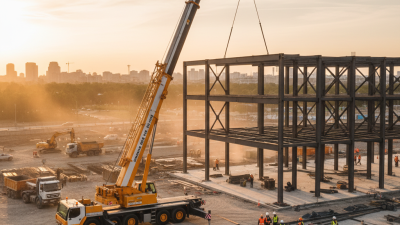
Telescopic mobile cranes play a crucial role in various industries. Their adaptability makes them suitable for construction, maintenance, and logistics tasks. In construction, these cranes are often used for lifting heavy materials to significant heights, allowing projects to move forward efficiently. They can navigate tight spaces, which is particularly beneficial in urban areas where space is limited. Their extendable arms provide the flexibility needed for different types of jobs.
In the logistics sector, telescopic mobile cranes facilitate the loading and unloading of containers. They are essential for ports and shipping yards, enhancing productivity. These cranes can assist in warehouse management by transporting goods within confined spaces. In agriculture, they are utilized for tasks such as loading supplies onto trucks. Their versatility aids in improving operational efficiency.
Consider the ground conditions before deploying a telescopic mobile crane. It’s vital to ensure the stability of the terrain. Always verify weight limits for the crane’s reach. Failing to operate within specified guidelines can lead to accidents. Regular maintenance checks are also important. They help prevent operational failures and extend the crane's lifespan.
Recent Industry Trends and Innovations in Telescopic Mobile Crane Technology
Telescopic mobile cranes have evolved dramatically in recent years. The growing demand for efficient construction equipment drives innovative designs and technologies. Recent industry reports show a projected market growth of approximately 5.6% annually through 2026. This trend reflects the need for versatility and mobility in various construction projects.
New advancements include enhanced load capacity and improved hydraulic systems. Some models now offer greater stability, even on uneven terrains. For instance, the latest technologies incorporate smart sensors that monitor weight distribution. This ensures safety and optimum performance during critical lifts. Additionally, electric-powered telescopic cranes are emerging, addressing sustainability concerns.
Re-evaluating equipment choices can lead to significant savings. Selecting a crane with the right features can prevent costly delays. Training operators on the latest technologies can also improve safety and efficiency. Proper maintenance practices can extend the lifecycle of your crane. Exploring these factors enables more informed decisions for your next project.