How to Choose the Best Heavy Duty Crane for Your Needs?
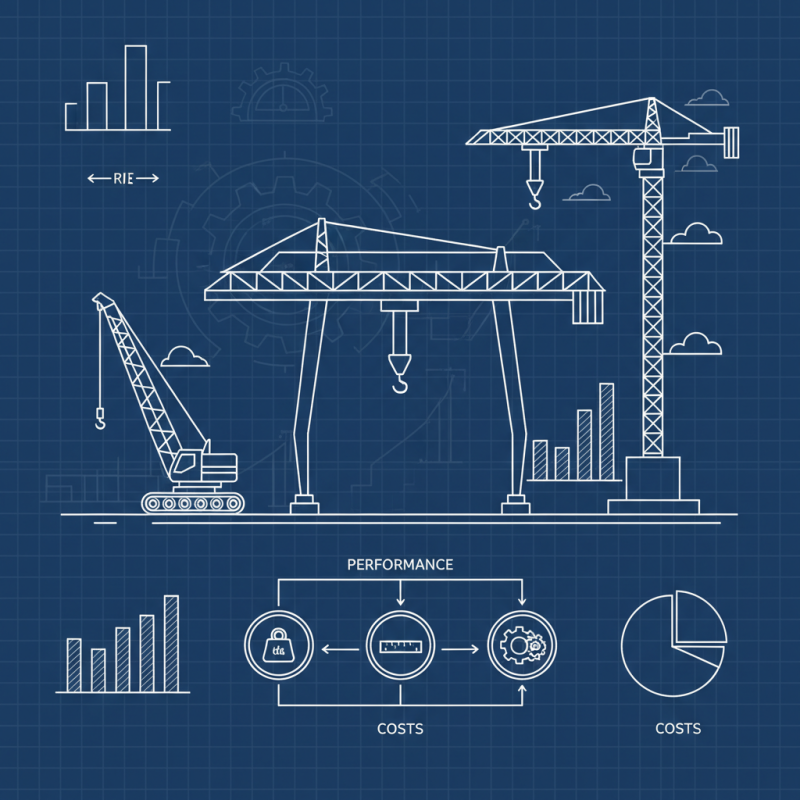
Choosing the right heavy duty crane can be challenging. Many factors come into play. Your decision impacts safety, efficiency, and costs.
When selecting a heavy duty crane, performance is key. Different projects have unique requirements. Think about the weight limits, reach, and mobility of the crane. It's crucial to match these specifications to your specific needs.
Experience matters in assessing options. Consult with experts or refer to reliable sources. Look for reputable brands with proven track records. However, even reputable cranes can have limitations. Reflect on your project specifics to ensure you make the best choice.
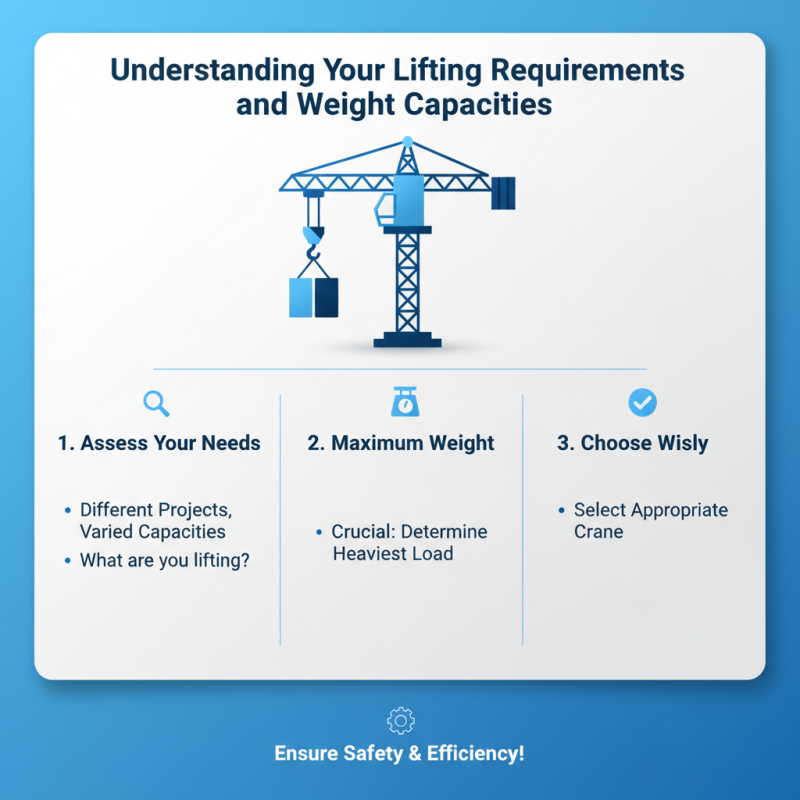
Understanding Your Lifting Requirements and Weight Capacities
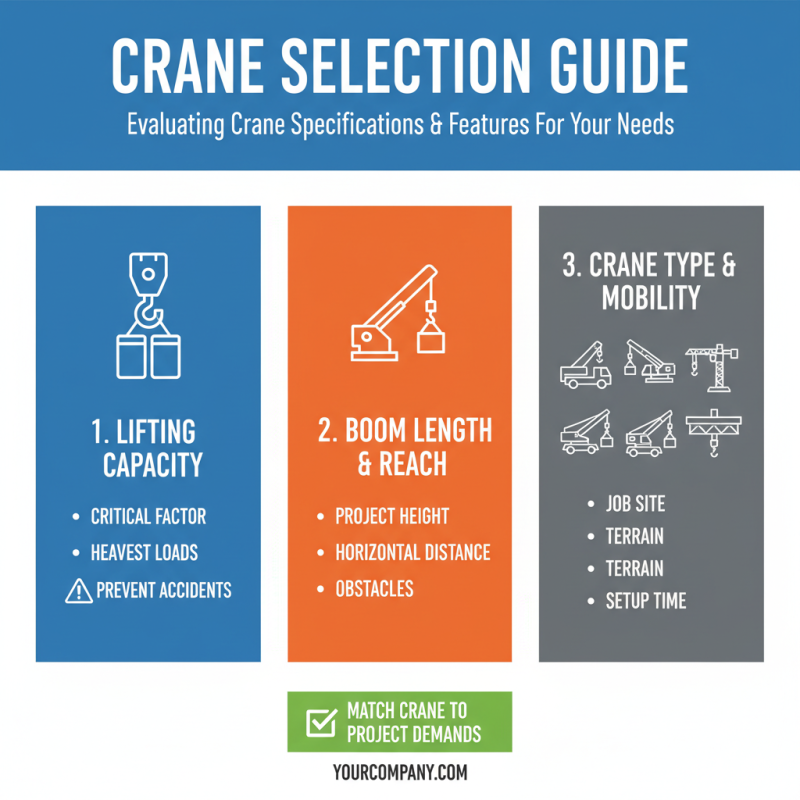
When choosing a heavy-duty crane, understanding your lifting requirements is essential. Different projects demand varied weight capacities. It’s crucial to assess what you will be lifting. Consider the maximum weight of your materials. This assessment ensures you select an appropriate crane.
Tip: Calculate your total load, including additional attachments. These can increase the overall weight significantly, affecting your crane choice.
Next, consider the height and reach required for your tasks. Some projects may necessitate lifting materials to great heights or extending your lifting range. Measure the space to know your limits. It’s easy to overlook height when planning.
Tip: Always allow for extra clearance. Unexpected obstacles can create challenges during operations.
Reflect on the work environment as well. Outdoor conditions can differ from indoor setups. Factors like ground stability, weather, and overhead obstructions must be considered. Sometimes, cranes suitable for one environment may struggle in another.
Tip: Inspect the site before making a decision. Familiarize yourself with any potential challenges. This will help you avoid unforeseen issues.
Types of Heavy Duty Cranes: Selecting the Right Model
Selecting the right model of heavy-duty crane involves understanding various types available in the market. Common models include conventional cranes, telescopic cranes, and crawler cranes. Each has unique features suitable for different lifting tasks. For instance, crawler cranes are optimal for rough terrain due to their stability. Their wide tracks distribute weight effectively, preventing ground damage.
Data from industry reports suggests that the demand for telescopic cranes has grown by 12% over the past five years. Their compact design allows for easy transportation and high versatility. This resonates with construction projects requiring mobility without sacrificing power. However, maintenance costs can be high. Understanding the strengths and weaknesses of each crane type is essential, particularly in cost management.
Safety features are paramount in crane selection. Stability systems and load monitoring capabilities can prevent accidents. Recent studies highlight that improper crane usage contributed to 20% of construction site fatalities. Each model should be evaluated for safety, maintenance, and performance. Balancing these factors against project requirements is not always straightforward but is crucial for achieving efficiency and reliability in heavy lifting operations.
How to Choose the Best Heavy Duty Crane for Your Needs?
| Crane Type |
Max Load Capacity (tons) |
Height (meters) |
Reach (meters) |
Mobility |
Best Use Case |
| Tower Crane |
10-20 |
30-60 |
45-80 |
Stationary |
High-rise building construction |
| Mobile Crane |
5-50 |
10-40 |
20-60 |
Mobile |
Construction sites |
| Crawler Crane |
20-200 |
20-60 |
30-100 |
Track-based |
Rough terrain operations |
| Rough Terrain Crane |
10-50 |
10-30 |
20-40 |
Mobile |
Outdoor construction |
Assessing Safety Standards and Compliance Regulations
When selecting a heavy-duty crane, understanding safety standards and compliance regulations is crucial. Cranes operate in high-risk environments, and adherence to these standards can prevent accidents. According to the Occupational Safety and Health Administration (OSHA), improper crane operation contributes to a significant percentage of workplace injuries. Regularly reviewing safety protocols is essential.
Tips: Always check the latest crane safety regulations. Consulting the American National Standards Institute (ANSI) guidelines can provide clarity on operating standards.
Compliance with local regulations cannot be overlooked. Each region may have specific rules governing crane operation. Ensure your crane meets these before deployment. According to a report from the National Commission for the Certification of Crane Operators (NCCCO), non-compliance can lead to hefty fines and operational shutdowns.
Tips: Engage with certified safety professionals. They can help your team understand the nuances of safety compliance.
Detailed inspection protocols should be established. Inspecting every crane can catch potential problems early. This practice aligns with industry recommendations. According to a report by the Crane Institute of America, regular inspections reduced the incidence of accidents by over 30%. Emphasizing this can lead to a safer working environment.
Heavy Duty Crane Safety Standards Compliance
Budgeting for Purchase, Maintenance, and Operation Costs
When choosing a heavy-duty crane, budgeting is crucial. Start by evaluating your budget for the initial purchase. Heavy-duty cranes come in various price ranges. You must factor in not just the cost of the crane itself but also its specifications. Features like lifting capacity and height can significantly impact the price.
Maintenance costs are another important consideration. Regular inspections and repairs are essential for long-term operation. Proper maintenance can prevent unexpected breakdowns that might lead to costly delays. Operators must assess their capacity for routine work as well.
Don’t forget operational costs. Fuel and energy consumption can add up quickly. Training staff to operate the crane safely also incurs a cost. These hidden expenses can surprise unprepared buyers. It’s vital to think through these factors. Planning can help mitigate financial risks and lead to more informed choices.