How to Choose the Right Rental Mobile Crane for Your Construction Project
Selecting the appropriate rental mobile crane for your construction project is a crucial decision that can impact efficiency, safety, and overall project success. According to David Anderson, a renowned expert in heavy machinery operations, “Choosing the right rental mobile crane not only streamlines your project workflow but also ensures that safety standards are met and maintained.” This statement resonates deeply within the industry, highlighting the importance of not only the crane's technical specifications but also its alignment with project requirements.
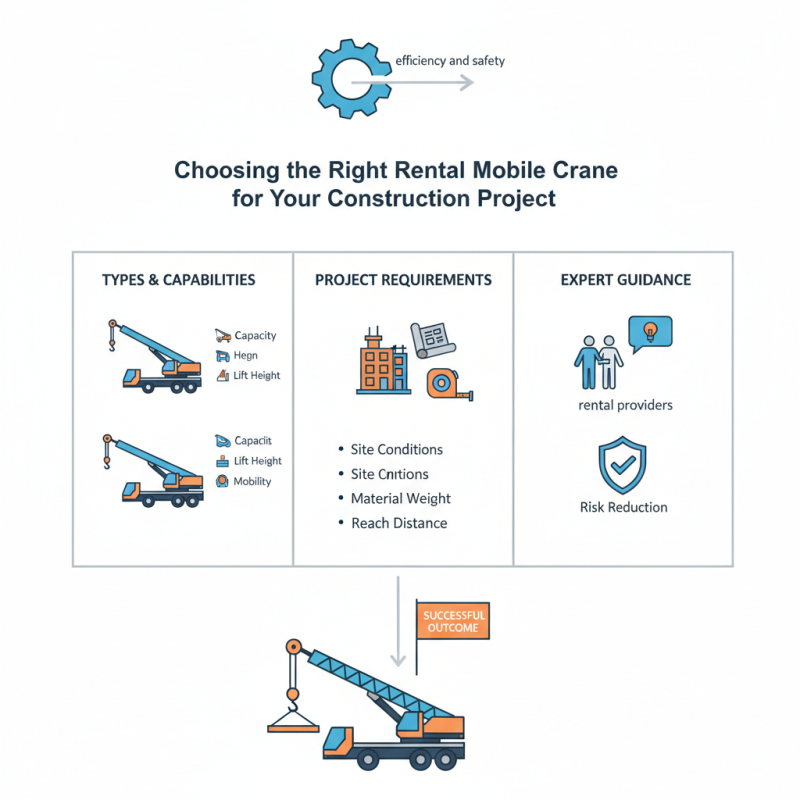
When embarking on a construction venture, understanding the various types of rental mobile cranes and their capabilities is essential. Factors such as load capacity, lift height, and mobility play significant roles in determining the best fit for your project. Each project has unique demands, and the right crane can enhance productivity while reducing risks associated with equipment misuse or miscalculations.
Furthermore, collaborating with experienced rental providers can offer invaluable guidance in selecting the most suitable equipment. They can provide insights based on previous projects and highlight essential aspects to consider, ensuring that contractors are well-equipped to make informed decisions. Thus, a meticulous approach to choosing a rental mobile crane can lead to smoother project execution and successful outcomes.
Understanding Your Project Requirements for Crane Rental
When planning a construction project, understanding your specific requirements is crucial for selecting the right rental mobile crane. Factors such as the weight of the materials to be lifted, the height of the lift, and the site conditions will significantly influence your decision. Assessing these parameters ensures that you choose a crane that can perform efficiently and safely throughout the project duration.
**Tips:** Start by calculating the maximum weight you’ll need to lift, along with considering horizontal reach and height limitations. It’s also important to evaluate the ground conditions where the crane will operate. If the soil is unstable, a crane with a broader base or additional supports might be necessary to provide stability.
Another critical aspect is the crane’s load capacity, which must exceed the maximum expected load. Familiarize yourself with the various types of mobile cranes available, as each type is designed for specific lifting tasks. Keep in mind that crane operators must be certified and experienced, so well-check the rental company’s policies regarding operator qualifications and training.
**Tips:** Engage with your project team to outline clear lifting requirements and potential challenges. Having a detailed lift plan can help communicate your needs effectively and enable the rental company to recommend the most suitable crane for your project.
Types of Mobile Cranes and Their Applications in Construction
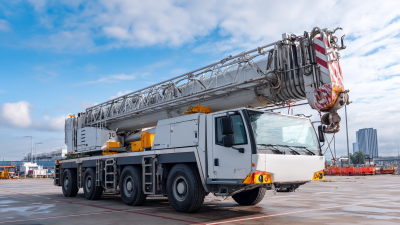
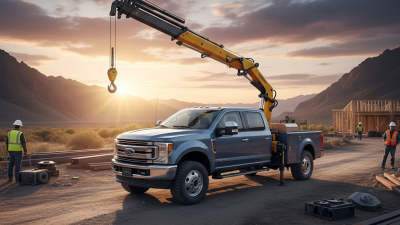
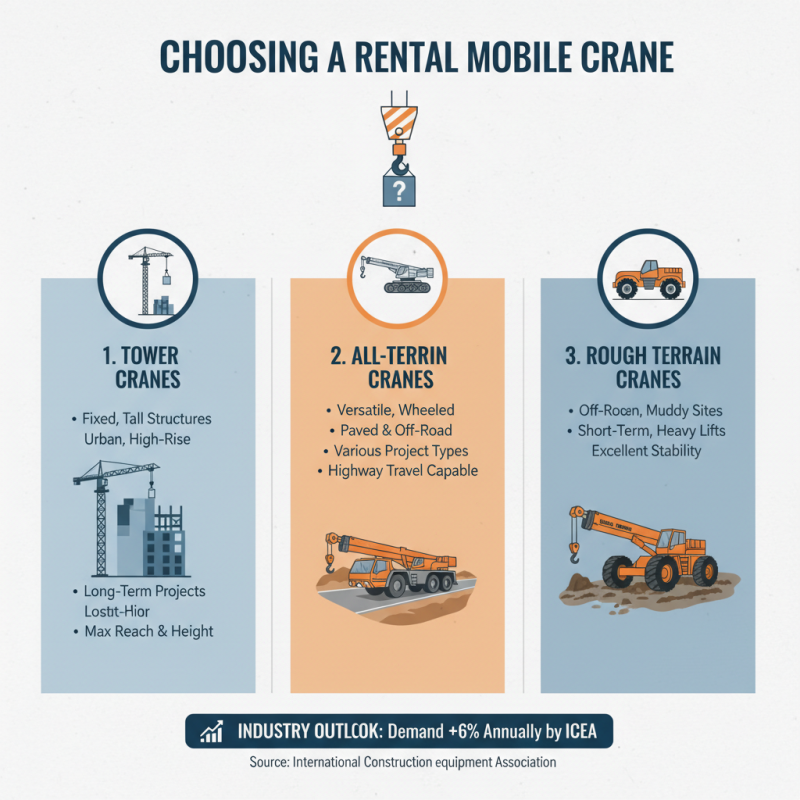
When choosing a rental mobile crane for your construction project, understanding the different types of mobile cranes and their specific applications is critical. Mobile cranes are versatile machines that can be categorized into several types, including tower cranes, all-terrain cranes, and rough terrain cranes. According to the International Construction Equipment Association, the demand for mobile cranes is projected to grow by up to 6% annually as construction activity ramps up worldwide.
Tower cranes are ideal for high-rise buildings, offering excellent height and lifting capacity. They are often fixed to a concrete base and require a larger footprint, making them suitable for urban construction sites. On the other hand, all-terrain cranes blend the capabilities of both road and rough terrain cranes, allowing for versatility in different working conditions. These cranes can travel on roads and navigate rough surfaces, making them perfect for construction sites that may have uneven terrain.
**Tips for Choosing the Right Crane:**
1. Assess the project requirements: Evaluate the load size, lifting height, and reach needed for your project.
2. Consider the site conditions: Take into account the terrain and space available for operation to ensure safe and efficient crane functionality.
3. Review safety and certification standards: Ensure the crane meets all local regulations and safety standards to prevent accidents on site.
Rough terrain cranes are specifically designed for outdoor usage with rugged surfaces, providing excellent maneuverability and stability. These cranes often have large tires and a robust build, ideal for construction sites in remote or rugged locations. Each mobile crane type serves a distinct purpose; understanding these differences will ensure that your construction project proceeds smoothly and efficiently.
Factors to Consider When Choosing a Rental Mobile Crane
When selecting a rental mobile crane for your construction project, several critical factors must be considered to ensure optimal performance and safety. Firstly, assess the lifting capacity required for your specific tasks. Each project varies in terms of weight and height requirements, so it’s essential to choose a crane that can handle the maximum load efficiently. Understanding your project's specific lifting needs will prevent delays and minimize the risk of equipment failure.
Additionally, consider the crane's mobility and the working environment. The type of terrain and the available space on the construction site will influence the choice of crane. For example, an all-terrain mobile crane may be necessary for rugged landscapes, while a compact crane could be suitable for restricted urban environments. Furthermore, evaluate the setup time and distance the crane needs to travel, as this can impact your project's overall timeline. Ensuring that the selected crane meets the unique requirements of your site will lead to improved productivity and safety on the job.
Evaluating Crane Specifications and Load Capacity
When selecting a rental mobile crane for your construction project, evaluating crane specifications and load capacity is crucial. The specifications of the crane, which include its lifting height, reach, and boom length, play a significant role in determining whether it’s suitable for your specific needs. For example, if your project requires lifting materials to significant heights or accessing tight spaces, you should ensure that the crane's design allows for adequate maneuverability and vertical reach.
Load capacity is another vital factor, as it defines how much weight the crane can safely lift and transport. It’s essential to have a clear understanding of the maximum load you will be working with, including materials, equipment, and any safety factors you might need to consider. Operators typically recommend choosing a crane with a load capacity that comfortably exceeds your project’s requirements to ensure safe operations. Additionally, discussing your load requirements with the rental provider can help identify the most appropriate crane model for your specific construction challenges.
How to Choose the Right Rental Mobile Crane for Your Construction Project - Evaluating Crane Specifications and Load Capacity
| Crane Model |
Max Load Capacity (tons) |
Boom Length (meters) |
Reach (meters) |
Operating Weight (tons) |
Mobility Type |
| RMC 50 |
50 |
30 |
40 |
28 |
Crawler |
| RMC 70 |
70 |
35 |
50 |
32 |
Truck |
| RMC 100 |
100 |
40 |
60 |
45 |
Crawler |
| RMC 130 |
130 |
50 |
70 |
60 |
All Terrain |
Budgeting for Rental Costs and Additional Expenses
When budgeting for rental costs of a mobile crane, it is essential to start with a clear understanding of the project’s requirements. Assess the crane’s specifications needed for your construction tasks, such as lifting capacity, boom length, and mobility, as these factors heavily influence rental prices. Typically, the duration of rental will directly correlate with costs, so it’s prudent to evaluate the schedule and timeline of your project to determine the most economical rental period. Remember, longer rentals can sometimes lead to discounts, so negotiating terms upfront can be beneficial.
Additionally, it’s crucial to consider any additional expenses that may arise. These can include delivery and pickup fees, insurance costs to cover potential damages, and operator wages if you require skilled personnel to operate the machinery. Moreover, consider the costs associated with site preparation and any necessary permits that may be required for crane operation. By accounting for these factors in advance, you can create a comprehensive budget that ensures your project remains financially viable without unexpected overruns.
Cost Analysis of Rental Mobile Cranes for Construction Projects
This chart illustrates the rental costs and additional expenses associated with different types of mobile cranes for construction projects. The costs vary significantly based on the size and capacity of the crane, impacting the overall budget for the project.