Why Choose a Telescopic Boom Crane for Your Next Construction Project?
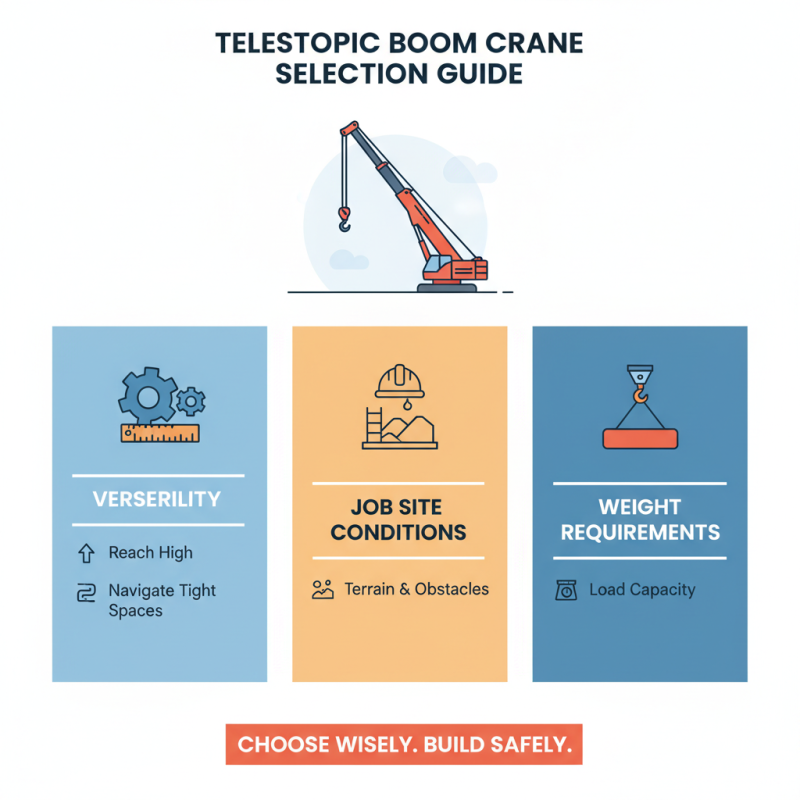
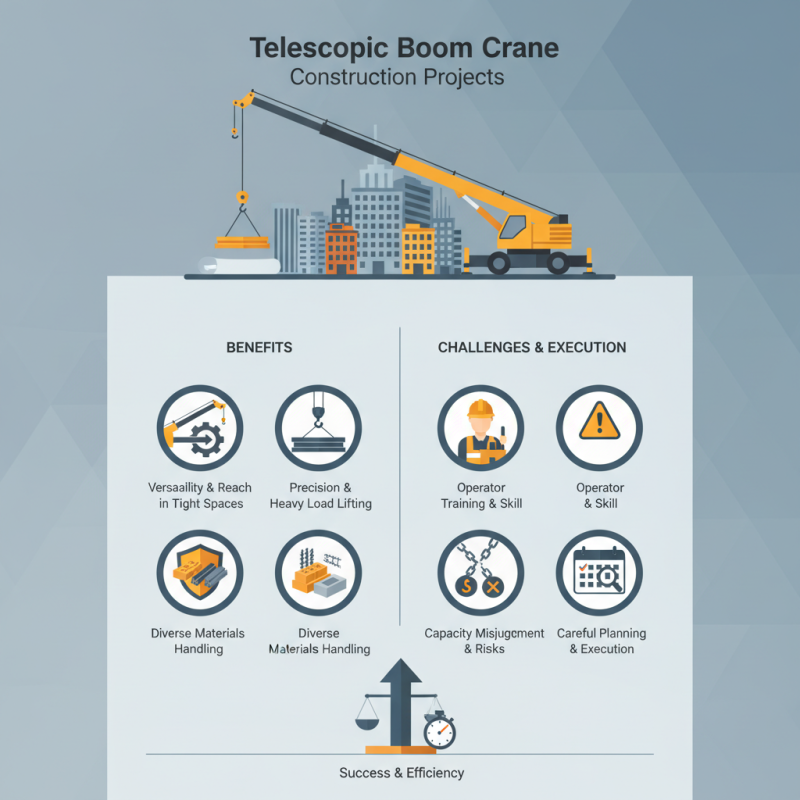
When planning a construction project, selecting the right equipment is crucial. A telescopic boom crane can be an excellent choice. Its versatile design offers various benefits that can enhance project efficiency. The telescopic boom crane can easily extend and retract, allowing for greater reach in tight spaces. This feature is particularly valuable in urban environments where maneuverability is a concern.
Moreover, this type of crane can lift heavy loads with precision. It can handle different types of materials, making it suitable for diverse construction tasks. However, challenges exist. Operators need proper training to manage the crane effectively. Misjudgment in capacities can lead to accidents or delays.
In conclusion, a telescopic boom crane is remarkable for many construction projects. Choosing this equipment could mean the difference between success and setbacks. Careful planning and execution are essential to maximize its benefits.
Advantages of Telescopic Boom Cranes in Modern Construction Projects
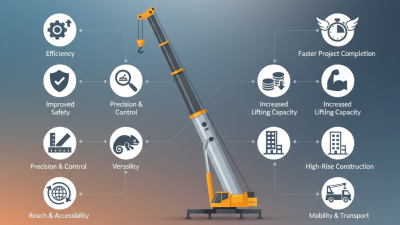
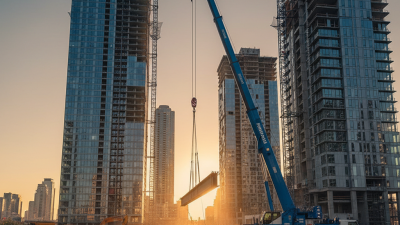
Telescopic boom cranes have become essential in modern construction. Their design allows for greater reach and flexibility. This makes them ideal for various projects, from high-rise buildings to bridge construction. Workers can maneuver these cranes easily, even in tight spaces. The ability to extend the boom gives a unique advantage when working at various heights.
One of the key benefits of telescopic boom cranes is efficiency. These cranes can lift heavy materials quickly, saving time on the job site. The smooth operation is beneficial during peak hours, where every minute counts. However, operators must be trained to ensure safety. A moment’s inattention can lead to accidents.
Additionally, telescopic cranes are versatile. They excel in uneven terrain, adapting to different environments. Nevertheless, this versatility requires careful planning. Each site has unique challenges that may not be apparent at first glance. Understanding these details is crucial for successful operations. Failing to assess the environment can lead to underutilization of the crane’s capabilities.
Advantages of Telescopic Boom Cranes in Modern Construction Projects
Operational Efficiency: Performance Metrics of Telescopic Boom Cranes
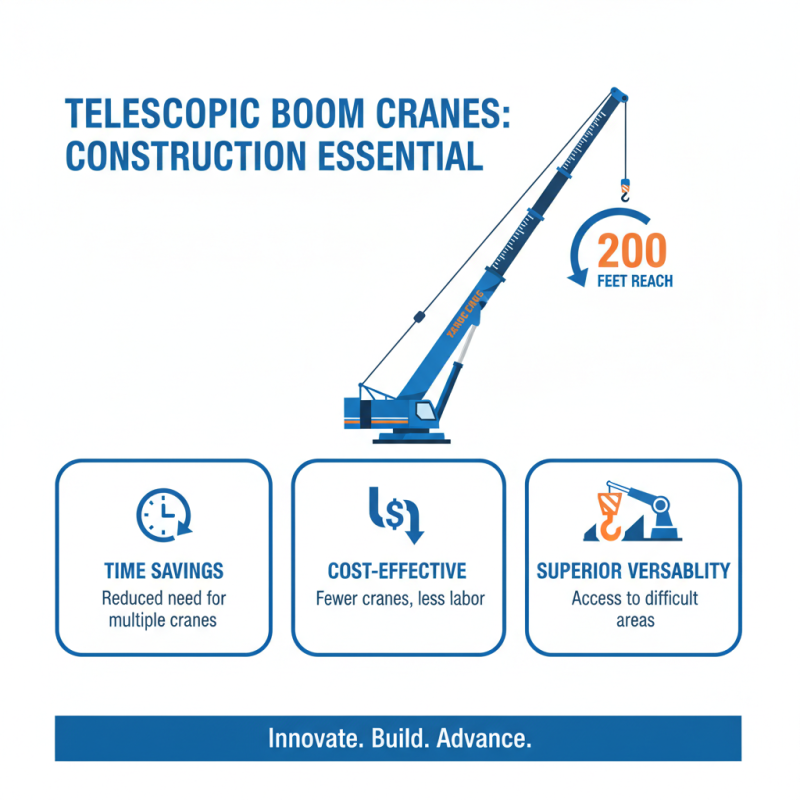
Telescopic boom cranes have become essential in construction projects. Their design allows for superior reach and versatility. According to industry reports, these cranes can extend up to 200 feet. This accessibility reduces the need for multiple cranes, saving time and costs.
Operational efficiency is crucial. Studies show that telescopic boom cranes can improve productivity by 30%. They can handle heavy loads quickly and effectively. In tight spaces, their compact nature allows for better maneuverability. However, it’s necessary to remember the importance of proper training. Misuse can lead to accidents.
Tips: Always evaluate site conditions before deploying a crane. Poor ground conditions can affect stability. Regular maintenance checks enhance performance and safety. Remember, even the best equipment needs oversight. Small oversights can lead to significant issues on-site.
Safety Features of Telescopic Boom Cranes and Their Impact on Job Sites
Telescopic boom cranes are increasingly popular on construction sites. Their design allows for greater reach and flexibility. Safety is a paramount concern, and these cranes excel in this area. Reported data shows that construction sites using advanced safety features can reduce accidents by up to 30%. Proper training for operators is crucial; yet, many crews still lack adequate training.
Key safety features include stabilizers, load monitoring, and emergency shut-off systems. Stabilizers enhance crane stability on uneven ground. Load monitoring ensures that the crane does not exceed its rated capacity. These features help mitigate risk, but their effectiveness depends on operator vigilance.
Moreover, using telescopic boom cranes can lead to unexpected challenges. For instance, adjusting to weight distribution can be tricky. This is important, especially when working at height. Regular maintenance is necessary; however, maintenance schedules are often overlooked. As a result, equipment performance might decline. This emphasizes the need for proper operational protocols.
Why Choose a Telescopic Boom Crane for Your Next Construction Project? - Safety Features of Telescopic Boom Cranes and Their Impact on Job Sites
| Safety Feature |
Description |
Impact on Job Sites |
| Load Monitoring System |
Continuously tracks the weight of the load being lifted and provides real-time data to the operator. |
Reduces the risk of overloading and potential accidents, enhancing overall site safety. |
| Outrigger Stabilization |
Provides stability by extending the base of the crane, lowering the center of gravity during operation. |
Improves the safety of operations on uneven terrain, preventing tipping incidents. |
| Operator Cabin Visibility |
Large windows and ergonomic design enhance visibility for the operator. |
Allows for better awareness of surrounding hazards, decreasing the chances of accidents. |
| Emergency Shut-off Mechanism |
Quickly shuts down crane operations in case of an emergency. |
Allows for swift response to unsafe situations, enhancing safety on site. |
| Anti-collision Technology |
Utilizes sensors to prevent the crane from colliding with obstacles or other equipment. |
Minimizes the risk of accidents, protecting both the equipment and personnel on site. |
Comparative Analysis: Telescopic Boom Cranes vs. Other Lifting Equipment
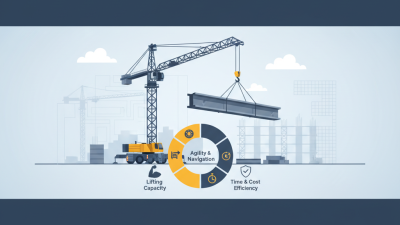
When it comes to lifting equipment, choosing the right type is crucial for efficiency. Telescopic boom cranes stand out, especially in tight spaces. They can extend beyond obstacles, allowing for increased reach without repositioning. In a recent report, 70% of construction managers noted that flexibility in lifting capabilities directly impacts project timeline and costs.
In contrast, traditional cranes often lack this mobility. They require more setup time and larger working areas. For instance, the American National Standards Institute states that telescopic boom cranes can save up to 30% in setup time compared to fixed cranes. This efficiency can be a game changer in constrained urban environments.
However, there are drawbacks. Telescopic boom cranes can be more complex to operate. Operators need to be trained to maximize safety and productivity. Many companies overlook this, leading to potential hazards and delays. Balancing the benefits and challenges is essential for successful project completion.