How to Choose the Best Serial Device Server for Your Needs?
Choosing the right Serial Device Server can significantly impact your business operations. According to a report by MarketsandMarkets, the global market for Serial Device Servers is expected to grow from $320 million in 2021 to $500 million by 2026. This growth reflects increasing demand for robust connectivity solutions in various industries, including manufacturing and healthcare.
In a world where device connectivity is crucial, selecting the appropriate server is not a trivial task. A wrong choice can lead to inefficiencies and increased downtime. Many businesses struggle with compatibility issues and scalability when integrating new devices. Research published by Frost & Sullivan shows that 69% of organizations face challenges due to inadequate network solutions.
Understanding your specific needs is essential. Factors such as data transmission speed, security features, and the number of connected devices must be considered. This decision process can feel overwhelming. However, gathering relevant industry insights and consulting with experts can lead to a more informed selection, ensuring your Serial Device Server meets your unique requirements.
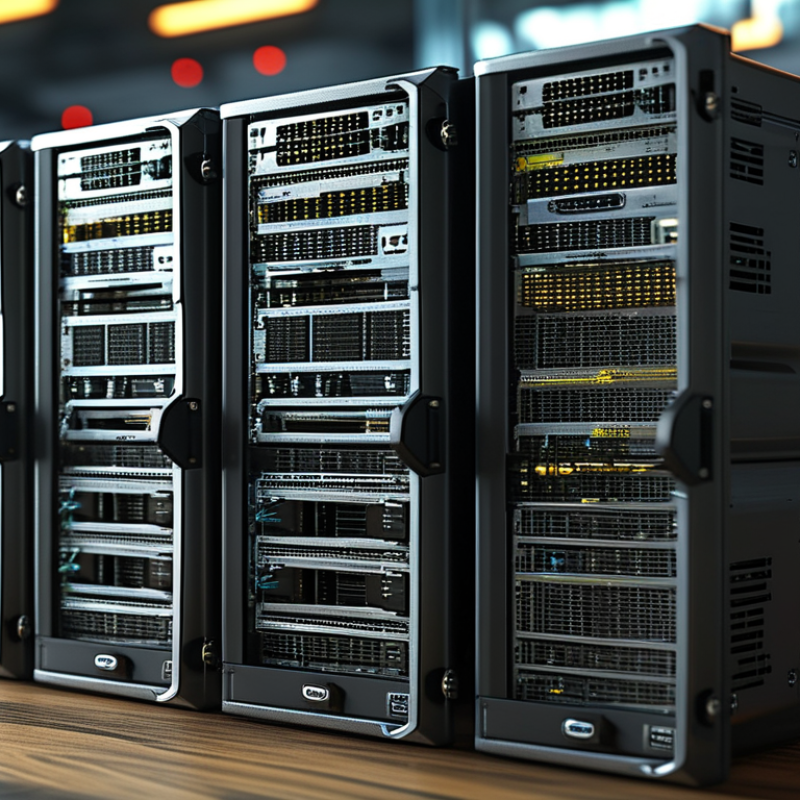
Understanding Serial Device Servers and Their Functionality
A serial device server serves as a crucial link between serial devices and networks. These servers enable devices that communicate using serial protocols to connect to IP networks. This functionality transforms traditional, isolated devices into network-capable units. By understanding how they work, you can optimize the integration of various devices within your system.
In essence, a serial device server converts serial data to Ethernet packets. This allows for remote access and management of devices. Imagine a factory with multiple machines relying on serial communication. Using a serial device server empowers operators to monitor these machines from a distance. The server ensures data is transmitted reliably, supporting standard protocols like RS-232 and RS-485.
However, not all serial device servers are created equal. Factors such as compatibility, speed, and reliability are crucial. It's essential to assess the specific needs of your application. What works for one device may not suit another. Be prepared to test various configurations. Sometimes, unexpected issues arise during implementation. A clear understanding of your requirements can significantly ease the selection process.
Identifying Your Specific Application Requirements
When selecting a serial device server, understanding your specific application requirements is crucial. Start by identifying the type of devices you will connect. Will you use sensors, printers, or industrial machinery? The devices' communication protocols matter. Each device may require different settings and configurations. For example, some may use RS-232 while others may use RS-485. Knowing this can prevent future compatibility issues.
Consider the environment where the server will operate. Is it a dusty factory or a clean office? Environmental factors can impact the choice significantly. Some devices are more durable and reliable in harsh conditions. A standard device may malfunction in extreme temperatures. You must ensure the serial device server fits your operational environment.
**Tip:** Always opt for a device server that can handle your specific data transfer speeds. Ensure it meets the requirements of your applications.
**Tip:** Think about scalability. Your needs may change, and your server should adapt easily. Flexibility in adding new devices is key.
Reflect on your specific needs carefully. Overlooking minor details can create problems later. Taking the time to understand your requirements will lead to a better, more reliable choice.
How to Choose the Best Serial Device Server for Your Needs? - Identifying Your Specific Application Requirements
| Feature | Description | Importance Level | Typical Applications |
| Number of Ports | Determines how many serial devices can be connected | High | Industrial Automation, POS Systems |
| Data Rate | Maximum speed of data transmission per port | Medium | Telecommunications, Medical Devices |
| Protocols Supported | Communication protocols compatible with the server | High | Networking Applications, Data Acquisition |
| Form Factor | Physical size and design of the device | Medium | Embedded Systems, Remote Monitoring |
| Power Consumption | Energy usage of the device | Low | Battery Powered Devices, IoT Solutions |
| Security Features | VPN, firewall, and encryption capabilities | High | Banking Systems, Data Sensitive Applications |
Evaluating Network Compatibility and Connection Options
When selecting a serial device server, evaluating network compatibility is crucial. Different devices communicate using various protocols, which can limit connectivity. Ensure your chosen server supports the protocols your equipment uses. It's also important to check the server's ability to integrate with your existing network infrastructure. Some servers may not work well with specific network setups, leading to performance issues.
Consider connection options too. Serial device servers often offer Ethernet and wireless capabilities. If you face physical limitations with cabling, a wireless option could be beneficial. However, wireless connections may introduce latency. Weigh the pros and cons based on your environment.
Tips: Look for a server with ample documentation and user reviews. Real-world experiences can highlight potential drawbacks. Testing your setup before full deployment is wise. This can help identify compatibility issues early on, saving time and resources.
Assessing Performance Features and Reliability Standards
When selecting a serial device server, assessing performance features is crucial. A recent study by Tech Research Group indicates that device reliability impacts operational efficiency by up to 30%. High throughput rates are essential; choose servers with at least 100 Mbps. Latency matters too. Aim for servers with less than 10 ms response time to ensure data isn't delayed.
Moreover, evaluating reliability standards can significantly influence your choice. According to industry benchmarks, a server with an MTBF (Mean Time Between Failures) of over 100,000 hours is considered reliable. This means fewer disruptions in connectivity. Look for certifications such as ISO 9001, which demonstrate a commitment to quality.
Operational support is also vital. Many surveys show that 60% of IT professionals value after-sales support. Inexperienced users often overlook this aspect, leading to longer downtimes. A good support system can enhance overall performance by addressing issues quickly, ensuring your server operates at peak efficiency.
Comparing Brands and Models for Cost-Effectiveness
Choosing the right serial device server is crucial for various applications. When comparing different brands and models, cost-effectiveness is often a primary concern. Focus on the features you truly need. Specialized functionalities may increase costs but could enhance operational efficiency. Assessing total cost of ownership is vital. Cheap initial prices can sometimes hide additional expenses in maintenance and support.
Look at the performance metrics as you compare options. Data transfer rates, connection stability, and ease of integration are essential aspects. Some devices may promise high speeds but fail in real-world scenarios. User reviews can provide insight into reliability and performance. Evaluating customer experiences helps highlight potential issues. Often, devices perform well under ideal conditions but struggle with real-world applications.
Compatibility also plays a significant role in your decision-making process. Ensure that any chosen device aligns with your existing systems. Sometimes, products that seem cost-effective might require extensive adjustments. This could lead to unexpected expenses and frustration. Therefore, a deeper understanding of your specific needs is crucial. Reflecting on these factors will guide you toward a more informed choice.