How to Choose the Best Small Truck Crane for Your Needs?
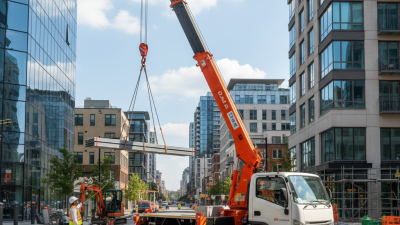
When choosing the best small truck crane for your needs, understanding the market's dynamics is crucial. According to a recent report by MarketsandMarkets, the global crane market is projected to reach $40 billion by 2027. This growth emphasizes the increasing demand for efficient lifting solutions in various industries. Small truck cranes are gaining popularity due to their versatility, compact size, and ability to perform in tight spaces.
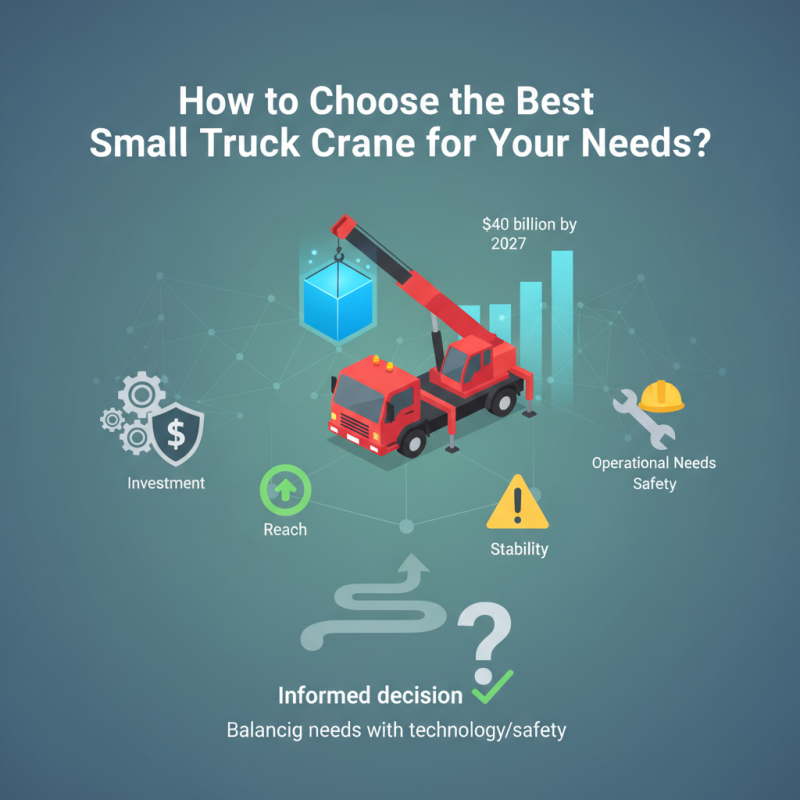
However, selecting the right model can be daunting. Factors like load capacity, reach, and stability need careful consideration. Industry experts suggest that an inadequate choice may lead to operational inefficiencies or safety hazards. Small truck cranes are not just tools; they represent significant investments for businesses. Thus, reflecting on how these cranes will be utilized is critical.
Every project is unique, requiring different capabilities from a small truck crane. Consider your specific lifting tasks and the environments in which you'll be operating. This will help in making a more informed decision. Ultimately, finding the right small truck crane involves balancing your operational needs with the available technology and safety guidelines.
Factors to Consider When Choosing a Small Truck Crane
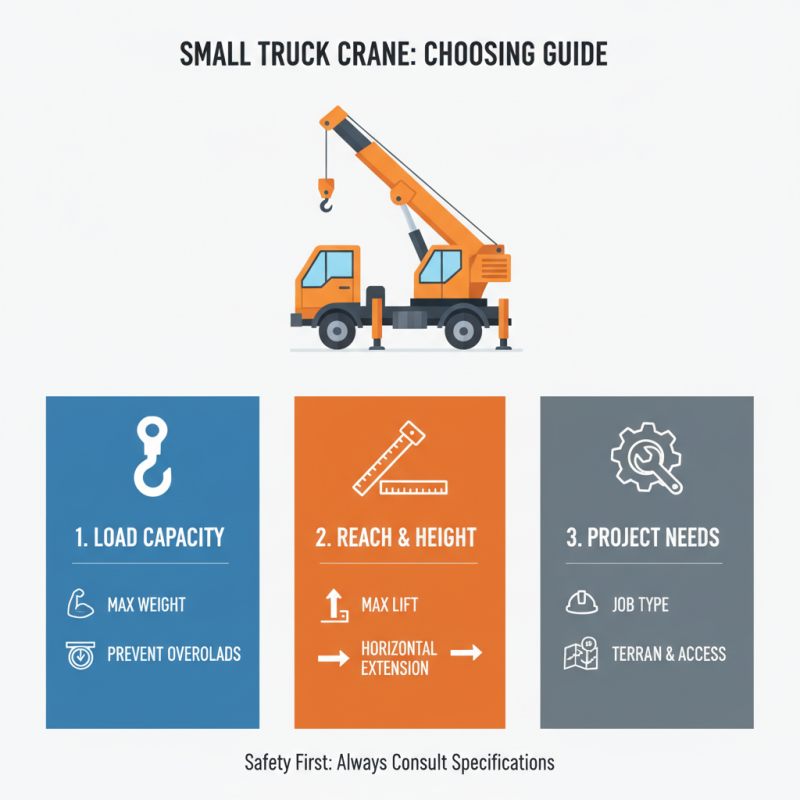
Choosing the right small truck crane requires careful consideration of various factors. Load capacity is paramount. Assess the maximum weight the crane needs to lift regularly. Overloading a crane can lead to failures or accidents. Pay attention to reach and height. Ensure the crane can extend to the required height and distance for your projects.
The type of material used in the crane impacts its durability and weight. Lighter materials may be easier to maneuver but could compromise strength. Look for cranes that balance portability with robustness. Additionally, consider the crane's maneuverability. It should be easy to set up and operate in tight spaces. Not every crane is intuitive to use, so request hands-on demonstrations if possible.
User reviews often reveal the strengths and weaknesses of various models. Look for insights about maintenance and reliability. Keep in mind that not all cranes perform ideally under every condition. Reflect on how much training is needed for operators. Sometimes, the most expensive option may not be the best suited for specific tasks. Always weigh your options carefully before making a decision.
Types of Small Truck Cranes and Their Applications
When choosing a small truck crane, understanding the types available and their applications is essential.
Small truck cranes can be categorized into several types:
telescopic cranes,
articulated cranes, and
knuckle boom cranes. Each type serves specific functions, making them ideal for various industries.
Telescopic cranes are known for their boom extension capabilities.
They can reach high places easily, making them suitable for construction sites.
According to a recent industry report, the demand for telescopic cranes has increased by 15% in urban areas.
Articulated cranes, on the other hand, offer flexibility and maneuverability. They are perfect for tight spaces, such as city roads or narrow construction sites.
Their compact design allows operators to navigate areas where larger cranes cannot fit.
Knuckle boom cranes provide versatility, enabling the operator to lift and place materials with precision. This feature is critical in landscaping and utility work.
Tips: Assess your project requirements before selecting a crane type.
Think about the space and height needed. It is also wise to evaluate your team's experience with different crane types.
Not all operators are trained in every type. Remember, safety should always come first in crane operations.
A thorough understanding of each crane's capabilities will lead to better decision-making.
Consider seeking expert advice if unclear about your choices.
Weight Capacity Requirements for Your Specific Crane Needs
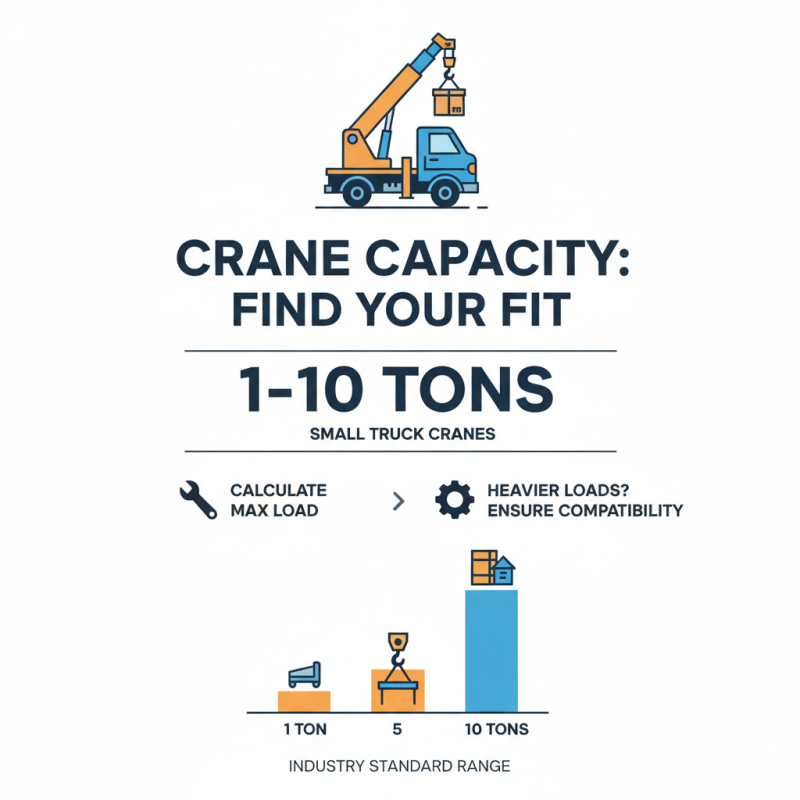
Choosing the right small truck crane involves understanding your weight capacity requirements. A fundamental step is calculating the maximum load you will frequently lift. According to industry reports, small cranes can typically handle loads from 1 ton to 10 tons. If your projects involve heavier materials, ensure your crane can comfortably handle that load.
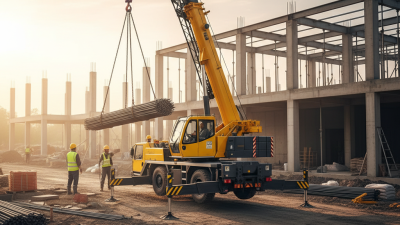
For instance, if you're lifting trusses or steel beams, the weight can vary significantly. Knowing the exact weight of your materials can help. Industry data shows that many users underestimate their needs, leading to operational challenges. This can result in accidents or equipment damage.
Tip: Always overestimate your weight capacity needs. A crane with a slightly higher capacity than required offers a safety buffer. Consider the crane's reach and lift height, as these factors also impact weight capacity.
It's crucial to consider the stability of cranes as well. Factor in the working environment too. Rough terrains or uneven ground can compromise stability. Make informed choices, and continually re-evaluate your project needs.
Understanding the Importance of Reach and Height Specifications
When selecting a small truck crane, understanding reach and height specifications is crucial. Reach refers to how far the crane can extend horizontally. Height pertains to how high it can lift loads. These two factors can drastically affect the crane's performance on your job site.
For instance, a study by the Crane Manufacturers Association of America (CMAA) shows that cranes with greater reach can perform more efficiently in tight spaces. They often reduce the lateral movement needed, which enhances safety. Height specifications also impact your operations. A crane that can lift to 75 feet versus one rated for only 50 feet opens up more possibilities for tall structures.
Tip: Always assess your work environment. Measure potential obstacles like overhead power lines.
Consider the weight of your typical loads. If you frequently lift heavy equipment, choose a model with higher load capacity alongside reach and height.
Tip: Consult load charts and seek advice from specialists to ensure you choose wisely.
Evaluating your specific needs regarding reach and height can save you time and money in the long run. Remember, the right choice enhances efficiency and safety on the job.
Budgeting for Purchase and Maintenance of a Small Truck Crane
When budgeting for a small truck crane, you need to consider both the purchase price and ongoing maintenance costs. A new small truck crane can range from $30,000 to $100,000, depending on the model and features. This significant investment requires careful financial planning. Consider how often you will use it and the types of jobs it will handle.
Maintenance costs can add another layer of expenses. Reports suggest that regular maintenance can cost up to 10% of the initial purchase price annually. This includes routine inspections, oil changes, and potential repairs. Skipping regular maintenance may lead to higher costs in the long run. It's advisable to set up a maintenance schedule according to the manufacturer's recommendations.
Unexpected repairs can strain your budget. Having a contingency fund for unforeseen breakdowns is crucial. Data shows that small truck cranes can experience downtime averaging 5-10 days per year due to repairs. This loss can impact profitability. Weighing the potential risks against the benefits will lead to more informed financial decisions.
How to Choose the Best Small Truck Crane for Your Needs? - Budgeting for Purchase and Maintenance of a Small Truck Crane
| Dimension |
Value |
| Maximum Lifting Capacity |
3-5 tons |
| Operating Range |
15-30 feet |
| Weight |
5000-7000 lbs |
| Fuel Type |
Diesel / Gasoline |
| Estimated Purchase Cost |
$30,000 - $50,000 |
| Annual Maintenance Cost |
$1,000 - $2,000 |
| Warranty Period |
2-5 years |
| Typical Uses |
Construction, Landscaping, Delivery |