How to Choose the Right Gate Valve for Your Project?
Choosing the right Gate Valve is crucial for any project involving fluid control. Gate valves are essential components in various applications, from plumbing to industrial systems. The wrong choice can lead to leaks, inefficiencies, or costly repairs.
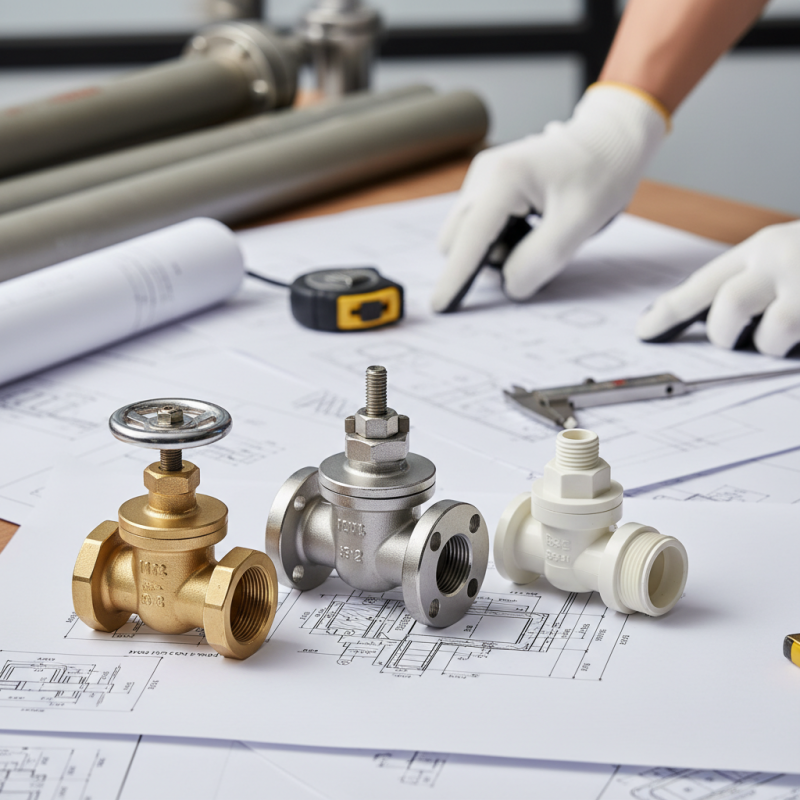
When selecting a gate valve, consider factors such as size, material, and operating environment. A valve that is too small may restrict flow, while one that is too large can waste space. Materials like brass, stainless steel, or PVC each have unique properties that can affect performance.
It’s easy to overlook details. A small mistake in valve selection can cause significant issues later. Reflecting on these choices during the planning phase can save time and money. Ultimately, understanding the fundamentals of gate valves is the key to a successful project.
Understanding Gate Valves and Their Applications
Gate valves play a crucial role in controlling fluid flow. They are used extensively in various applications, including water supply systems, wastewater management, and industrial processes. Understanding how these valves work can help you select the right one for your project.
When choosing a gate valve, consider the medium flowing through it. Different materials are compatible with different fluids. For instance, if you’re handling corrosive substances, opt for a valve with suitable lining. This choice influences durability and functionality.
**Tips:** Always assess the pressure and temperature conditions. Some valves can't handle high pressure. Investing in a valve that can resist these extremes is key.
Another important factor is the valve’s size. An ill-fitting valve can lead to leakage or reduced flow efficiency. Measure the pipe dimensions carefully before making your decision. It’s easy to overlook this step but essential for proper operation.
**Tips:** Don't rush the selection process. Take time to consult with experts if needed. Making the wrong choice can lead to costly repairs later. Always prioritize both functionality and longevity for your specific needs.
Key Factors to Consider When Selecting a Gate Valve
When selecting a gate valve, several key factors demand careful consideration. The material of the valve is crucial. Common choices include brass, stainless steel, and ductile iron. Each material has unique properties, impacting longevity and effectiveness in specific environments. For instance, a report from the American Society of Mechanical Engineers notes that stainless steel options can withstand higher pressures compared to their brass counterparts.
The size of the valve is equally important. An overly large gate valve can cause flow issues, while a small valve might not handle the required pressure. According to industry standards, a gate valve should match the pipe size to maintain optimal flow. This aspect often gets overlooked, leading to expensive troubleshooting later.
Don't forget the valve's design features. Flanged or threaded connections can greatly affect installation ease and maintenance. A recent analysis from the Water Environment Federation indicates that improper installation can lead to 20% increased failure rates in gate valves. Therefore, review these factors closely to make an informed decision for your project.
Key Factors to Consider When Choosing a Gate Valve
Materials and Construction Types for Gate Valves
Choosing the right gate valve hinges significantly on material and construction type. Gate valves are crafted from various materials like brass, stainless steel, and cast iron. Each material has its specific applications. Brass valves are common in plumbing. They resist corrosion but have limitations in high-pressure situations.
Stainless steel valves are robust and suitable for industrial uses. They handle high temperatures well. However, they can be more expensive. Cast iron valves are often used for water supply systems. They offer good durability but can be heavy. These factors impact installation and maintenance positively or negatively.
Construction types also deserve attention. Some gate valves feature rising stems, making them easier to operate. Others have non-rising stems that save space. Each design comes with its own pros and cons. Many overlook the valve's operating environment, which can complicate the selection process. A valve that works well in one project may falter in another. Reflecting on these aspects is vital for making informed choices. A well-suited gate valve can save time and reduce costs in the long run.
Size and Pressure Ratings: Finding the Right Fit
When selecting a gate valve for your project, size and pressure ratings are crucial. A valve that is too small may restrict flow, causing pressure drops. On the other hand, if the valve is oversized, it can lead to inefficient performance. Assessing the flow rate of your system is essential for determining the right valve size. You can consult industry guidelines or perform calculations tailored to your specific application.
Pressure ratings matter, too. These ratings indicate how much pressure the valve can handle without leaking or failing. A mismatch can lead to catastrophic results, such as spills or system failures. Always check the maximum pressure of your system and choose a valve rated above that. Remember that fluctuating pressure conditions may necessitate a higher-rated valve to avoid issues.
It's easy to overlook these details. In a rush, one might assume a standard size will work. However, each project has unique requirements. Miscalculating size and pressure can lead to costly rework. Take the time to carefully analyze your needs. Small oversights can have significant impacts on performance and safety in the long run.
Common Mistakes to Avoid in Gate Valve Selection
Choosing the right gate valve is crucial for any plumbing or industrial project. Common mistakes can lead to failures that are costly and frustrating. One major error is selecting the wrong size. According to the American Society of Mechanical Engineers (ASME), nearly 35% of valve failures stem from improper sizing. A valve that is either too large or too small can create pressure drops or leaks.
Another pitfall is overlooking the material compatibility. A 2022 report from the Valve Manufacturers Association indicated that around 40% of valve failures result from corrosive damage. If the valve material does not match the fluid it will handle, the project can face significant risks. For example, using steel valves in corrosive environments can lead to premature failure.
It’s also essential to consider the pressure rating. Many underestimate the operating conditions. Research shows that 25% of gate valve issues arise from exceeding pressure ratings. This often neglected detail can lead to catastrophic system failures. Don’t rush your selection process. Take the time to evaluate all factors carefully.