Selecting the right truck and crane for your specific needs is a crucial task. A well-chosen truck and crane combination can enhance productivity and reduce costs. Many factors influence this decision, including load capacity, type of terrain, and specific project requirements.
Understanding the differences between truck types and cranes is vital. Each vehicle serves distinct purposes, and not every model fits every job. For example, a flatbed truck may suit one application, while a boom truck might be necessary for another. It's essential to assess your operational environment carefully.
Ultimately, making the best choice comes from experience and knowledge. Reflecting on past projects can provide insights. Seeking expert opinions can also help clarify options. A misstep here can lead to inefficiencies or increased expenses. So, take your time. A thoughtful selection process pays off in the long run.
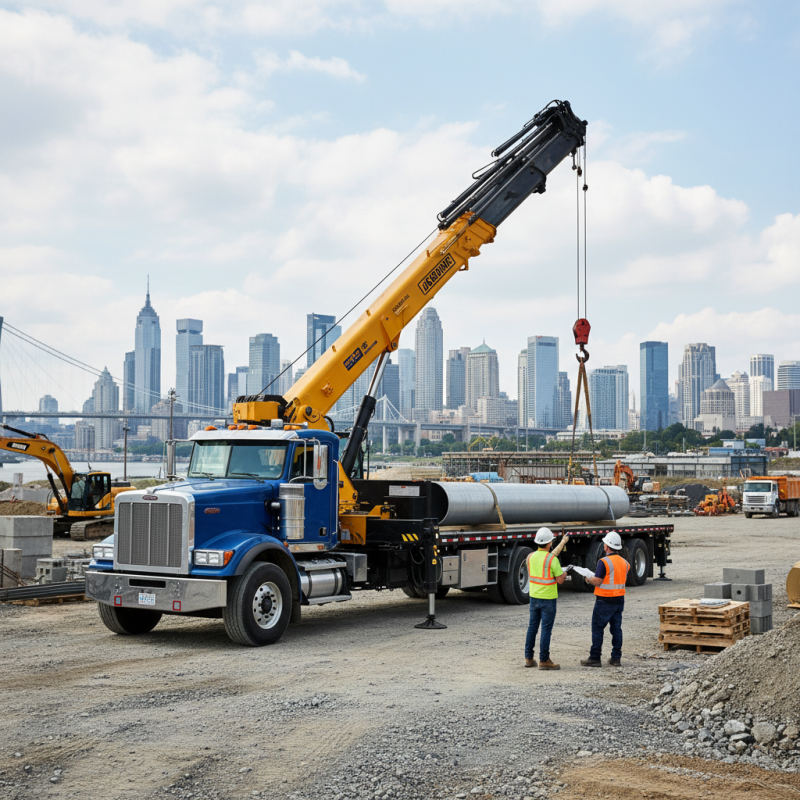
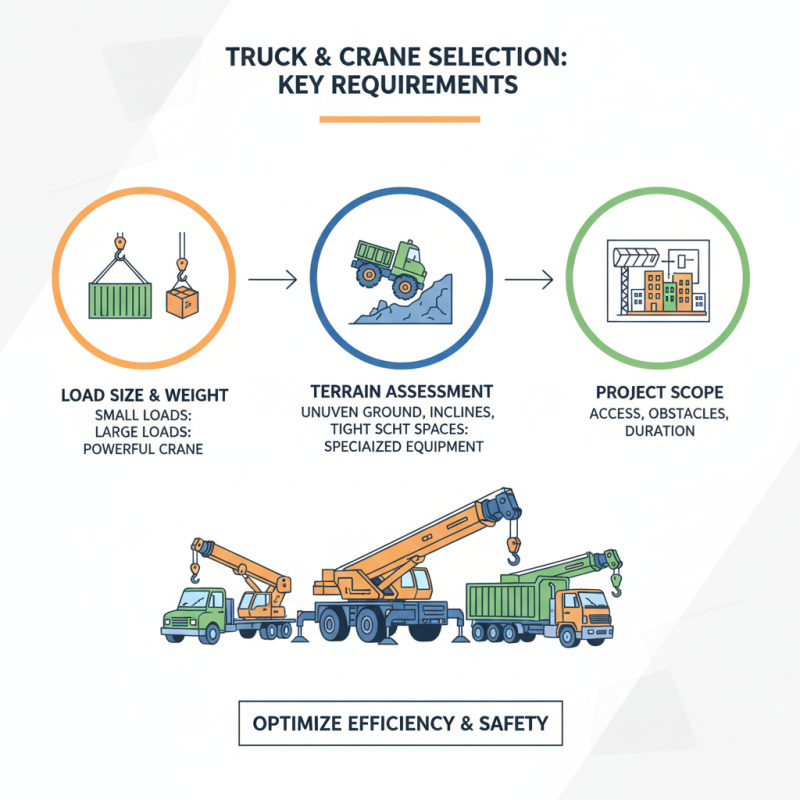
When selecting the right truck and crane for your project, understanding your specific requirements is crucial. Consider load size and weight. This directly influences the type of crane needed. A small crane might suffice for lighter loads, but heavier items require a more powerful model. Assessing the terrain is equally vital. Uneven ground, inclines, or tight spaces can limit your equipment options.
Think about the project timeline. If time is critical, efficiency becomes a priority. Some trucks and cranes offer faster deployment than others. Check local regulations too; they often dictate the type of cranes that can be used. Planning for permits can lead to delays if not considered from the outset.
Evaluate the experience of the operators as well. Skilled operators can maximize equipment potential. However, inexperience can lead to accidents or inefficiencies. It’s important to seek qualified personnel who understand the nuances of the equipment they are handling. This factor can make or break project success.
When selecting a truck or crane, it’s crucial to assess your specific needs and tasks. Different types of trucks serve various purposes, from standard pickups to heavy-duty flatbeds. Each variant has its pros and cons based on your requirements. Consider the load capacity, terrain, and frequency of use. This will help narrow down suitable options.
Tip: Always calculate the weight of the loads you'll transport. Overloading can lead to equipment failure and safety hazards. Owner-operators should also consider maintenance costs in their budget. Evaluating these factors can prevent costly mistakes.
Cranes, on the other hand, vary greatly in design and function. Some are designed for lifting heavy materials, while others are more suited for precision placements. The type of crane you choose will depend on the job site constraints and the nature of the tasks.
Tip: Assess the height and reach requirements of your projects. It's easy to overlook these aspects, leading to inefficient operations. Even experienced operators sometimes underestimate space limitations. Reflect on your previous projects to enhance decision-making in future equipment selections.
| Type | Load Capacity (tons) | Best Use Cases | Mobility | Key Features |
|---|---|---|---|---|
| Flatbed Truck | 5-20 | Transporting large items, construction materials | High mobility, best for open roads | Open platform, easy loading/unloading |
| Box Truck | 3-10 | Deliveries, moving services | Good for urban environments | Secured cargo space, weather protection |
| Crane Truck | 10-30 | Lifting and placing heavy materials | Limited mobility, requires setup time | Integrated crane, versatile lifting options |
| Pickup Truck | 1-3 | Small deliveries, personal use | High mobility, easy to park | Compact size, flexible storage options |
| Dump Truck | 10-30 | Construction sites, debris removal | Moderate mobility, heavy-duty | Tilting bed, hydraulic lifting |
When choosing a crane, understanding the models available is essential. Cranes vary greatly in size, capacity, and function. For example, a rough terrain crane is typically suited for off-road conditions. It offers flexibility on uneven surfaces. According to industry reports, rough terrain cranes can lift from 15 tons up to 100 tons. This makes them popular for construction and industrial sites.
Telehandler cranes, on the other hand, are ideal for lifting materials to higher elevations. They combine the features of a crane and a forklift. The reach can often extend over 50 feet. However, they may struggle with heavy loads. This limitation should be considered based on your specific needs. The lifting capacity may vary widely among models. In many cases, telehandlers range between 5,500 to 12,000 pounds.
Evaluating crane stability is also critical. The center of gravity varies among different models. An unstable crane can lead to accidents or damage. Many reports suggest that operator training significantly impacts safety. Without proper experience, even the best model can become a liability. Each crane model has unique advantages and disadvantages. Make sure to assess which features are essential for your operational demands.
Choosing the right truck and crane is crucial for efficiency in any construction or logistics project. Various factors affect the size and capacity of these machines. Load weight is one of the primary considerations. According to industry standards, a truck's payload capacity typically ranges from 3 to 30 tons. Utilizing a vehicle that cannot support the weight of your cargo can lead to safety hazards and increased costs.
Terrain is another critical factor. For instance, rough and uneven surfaces may require vehicles with enhanced suspension systems. Reports indicate that about 40% of construction delays stem from improper equipment choices. If cranes do not have sufficient lifting capacity for the job, it can result in operational setbacks and additional expenses. Understanding the nature of your work site can help in selecting the appropriate equipment.
In addition, the height and reach of cranes must match the project’s requirements. Working with a crane that lacks the necessary boom length can limit your operational range. Industry data shows that approximately 30% of crane-related incidents arise from improper setup or equipment selection. Engaging experts for advice can bridge knowledge gaps and minimize risks. Accurate assessment of these factors can significantly improve planning and execution phases.
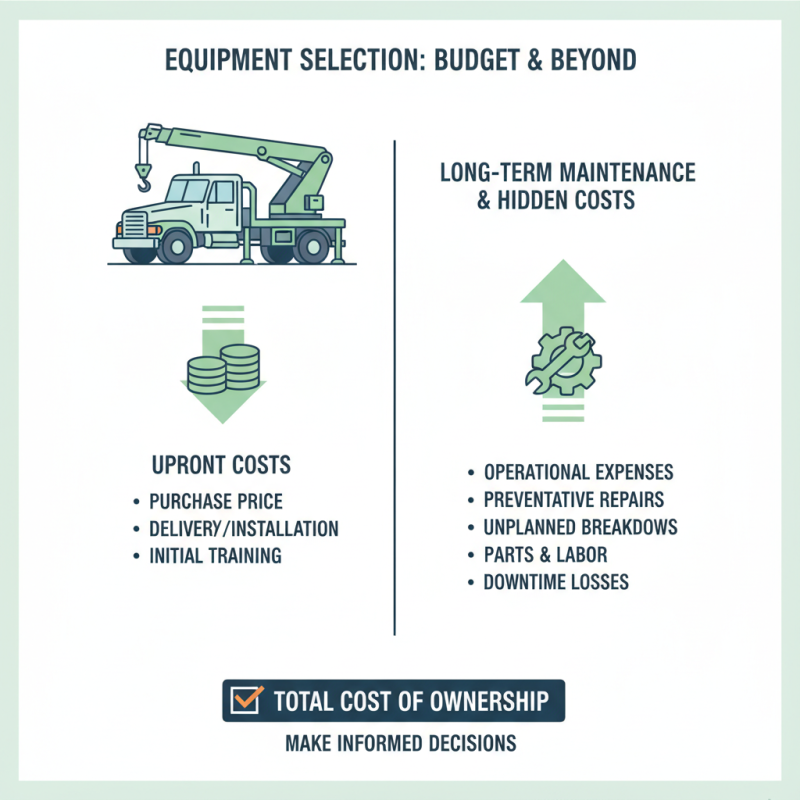
When selecting the right truck and crane, budget considerations play a crucial role. It’s essential to evaluate upfront costs alongside operational expenses. A seemingly affordable option may require more repairs later. These hidden costs can quickly add up, draining your budget over time. Understanding total ownership costs will help you make informed decisions.
Long-term maintenance cannot be overlooked. Regular service is essential to ensure the longevity of your equipment. Maintenance schedules may vary depending on the type and usage of the truck or crane. For example, heavy-duty tasks demand more frequent checks than lighter jobs. Neglecting maintenance can lead to significant breakdowns, resulting in lost time and money.
Consider the resale value when choosing machinery as well. Some trucks and cranes retain value better than others. Researching market trends can guide you toward smart investments. This proactive approach can yield returns when it’s time to upgrade or sell your equipment. Balancing initial costs with long-term maintenance and future resale potential is vital for financial success.