How to Choose the Right Boom Truck Crane for Your Project?
Choosing the right boom truck crane is crucial for project success. This specialized equipment plays a vital role in construction and industrial sectors. According to a recent report by MarketsandMarkets, the global crane market is projected to reach $40 billion by 2026, showcasing an increasing reliance on effective lifting solutions.
When selecting a boom truck crane, consider the project’s specific needs. Factors such as lift capacity, height requirements, and overall site conditions are essential. Not all boom truck cranes are created equal; some models are designed for specific tasks. A mismatch can lead to inefficiencies or safety hazards, highlighting the need for careful evaluation.
It's essential to reflect on the potential challenges during equipment selection. Overlooking the specifications may lead to costly mistakes. Moreover, the importance of operator training cannot be overstated. An untrained operator can compromise safety and productivity. Hence, investing time in choosing the right boom truck crane ensures a smoother workflow and minimizes risks.
Understanding Boom Truck Cranes: Types and Specifications
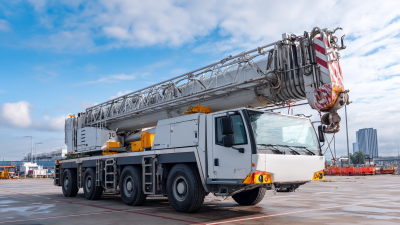
Boom truck cranes are versatile machines used in various construction projects. Understanding their types and specifications is critical before making a choice. Typically, they come in different configurations, such as telescopic and articulating boom trucks. Each type has unique strengths suited to specific tasks. For instance, telescopic booms reach great heights, while articulating booms offer excellent maneuverability in tight spaces.
When selecting a boom truck crane, consider load capacity and reach. Different projects demand different specifications. A crane with a high load capacity may be overkill for minor tasks, leading to unnecessary costs. Conversely, a smaller crane might not handle heavy loads safely, posing risks.
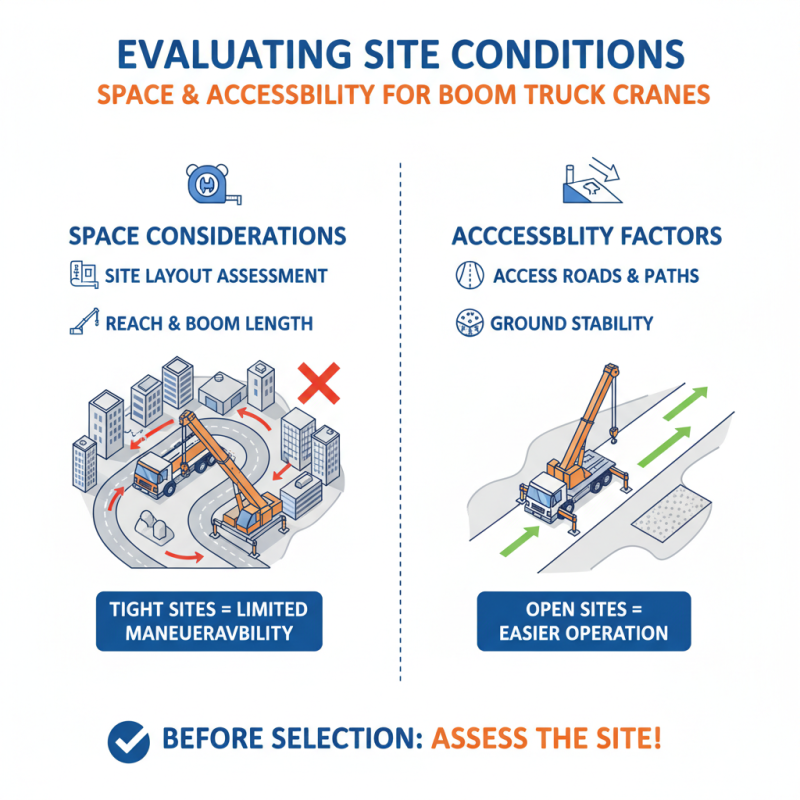
Always evaluate the work environment. Is there limited space? A compact boom truck could fit better on your site. Also, reflect on operator experience. A more complex crane may require skilled operators, increasing training needs. Each choice carries potential drawbacks. A careful assessment can lead to a more suitable decision for your project needs.
How to Choose the Right Boom Truck Crane for Your Project?
| Type of Boom Truck Crane |
Maximum Load Capacity |
Boom Length |
Operating Radius |
Ideal Applications |
| Telescopic Boom Truck |
16 tons |
20-30 feet |
25 feet |
Construction sites, material handling |
| Knuckle Boom Truck |
10 tons |
15-25 feet |
20 feet |
Urban tasks, tight spaces |
| Heavy-Duty Boom Truck |
25 tons |
30-50 feet |
30 feet |
Large construction projects, heavy lifting |
| Articulating Boom Truck |
8 tons |
12-20 feet |
15 feet |
Maintenance, tree trimming |
Assessing Project Requirements: Load Capacity and Reach
When selecting a boom truck crane, understanding project requirements is key. Load capacity plays a critical role. Different projects demand different weights. For example, lifting heavy steel beams requires more capacity than moving lighter materials. Assess your project's maximum load. This will help you avoid renting a crane that falls short.
Reach is equally important. It determines how far the crane can extend. If your site has obstacles, choose a crane with a longer reach. Shorter reach cranes may require repositioning, slowing down the project. Analyze your site layout carefully. Sometimes, the perfect crane could be too short for the task ahead.
Mistakes in these assessments can lead to delays. A crane that cannot handle the load can halt progress. It’s wise to consult with experienced professionals. They can offer insights into both load capacity and reach. Carefully reconsider your needs to avoid underestimating or overestimating your requirements. It’s a balance that must be struck for a successful project.
Selecting Features: Hydraulic Systems and Controls
Choosing the right boom truck crane involves understanding the hydraulic systems and controls. These features can significantly impact efficiency. A study by the Amercian Society of Civil Engineers shows that outdated hydraulic systems can reduce productivity by up to 30%. Therefore, it’s crucial to assess the technology used in these systems.
Modern hydraulic systems provide enhanced speed and precision. Advanced controls allow operators to manage load movements with greater accuracy. In some models, joystick controls reduce operator fatigue. However, not all systems offer the same level of responsiveness. Operators might find themselves struggling with lag in older controls. This can lead to frustration and inefficiencies on the job site.
It’s important to consider the weight capacity and reach. Some cranes can lift over 50 tons and reach heights exceeding 100 feet. But, features vary widely among different models. Inadequate understanding of these specifications may lead to project delays. It's essential to match the crane's capabilities with project demands to avoid complications.
Budgeting for Your Boom Truck Crane: Cost and Rental Options
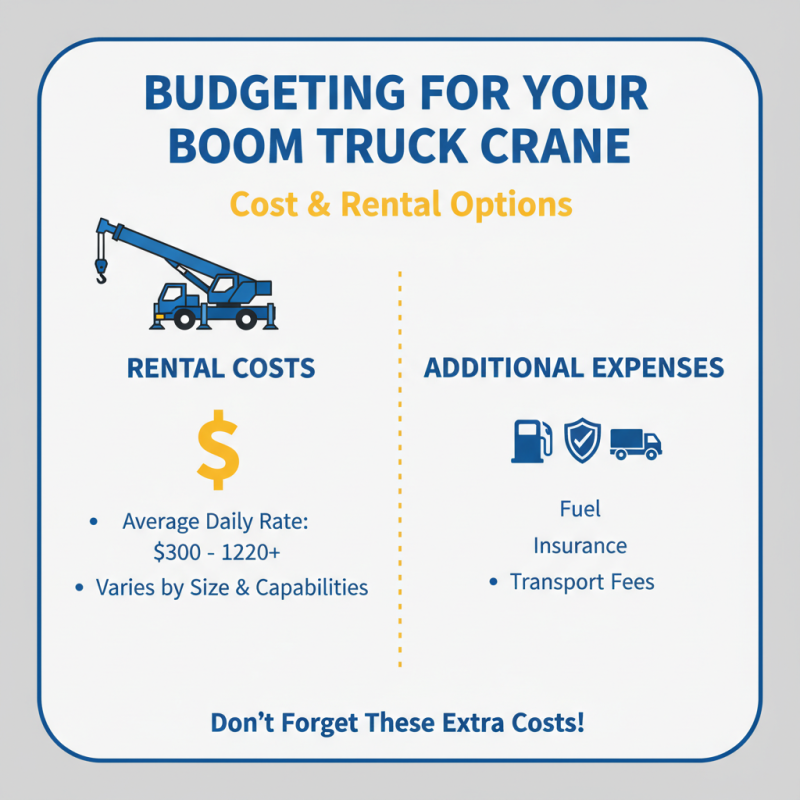
When budgeting for a boom truck crane, it's vital to understand the costs involved. Rental prices for boom truck cranes vary greatly. Some reports suggest an average rental rate ranging from $300 to $1,200 per day, depending on size and capabilities. Beyond daily rentals, consider the costs of fuel, insurance, and potential transport fees. These extra expenses can add up quickly.
**Tip:** Research local rental companies to compare their offerings. Some may provide discounts for long-term rentals or package deals.
Owning a boom truck crane entails higher upfront costs. Purchasing a new crane can cost between $100,000 to $300,000. Maintenance and operational costs can also be significant. Statistics show that owning equipment can be less economical if usage is sporadic. Be sure to analyze how often you'll need the crane.
**Tip:** Keep track of your project timelines. This helps in deciding between buying and renting. Running the numbers can reveal whether renting might save money in the long run.
Not every project fits neatly into a budget. Unexpected costs often arise. It's essential to allocate a contingency fund. This fund can cover potential delays or additional equipment needs. Planning ahead can minimize the impact of these surprises.