How to Choose the Right Lifting Crane for Your Project?
Choosing the right lifting crane for your project can greatly impact its success. Various types of cranes are available, each designed for specific needs. Understanding the different options ensures that you select the most suitable equipment.
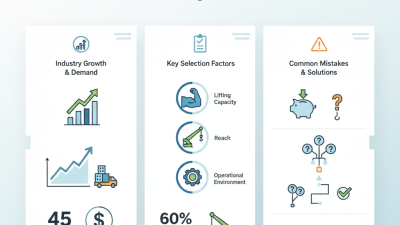
When evaluating lifting cranes, consider factors such as load capacity and reach. Knowing your project's specifications helps narrow down the choices. It is crucial to factor in the environment as well. Some cranes perform better in confined spaces, while others excel outdoors.
Mistakes can happen. Many overlook the importance of operator training and crane maintenance. A poorly trained operator can put the entire project at risk. Reliability and safety should always be your priority. By making informed decisions about lifting cranes, you set your project up for success.
Understanding Different Types of Lifting Cranes Available in the Market
Choosing the right lifting crane is crucial for any construction project. It's essential to understand the different types available in the market. Overhead cranes, for instance, are ideal for indoor operations. They move along fixed tracks and offer excellent lifting capacity. However, they require substantial installation. Many projects may not have the necessary infrastructure for these cranes.
Another popular option is the mobile crane. These cranes are versatile and can operate in various settings. They typically have a smaller footprint but can still handle significant loads. The drawback is their limited lifting height compared to other cranes. Factors such as site conditions and load requirements should guide your choice.
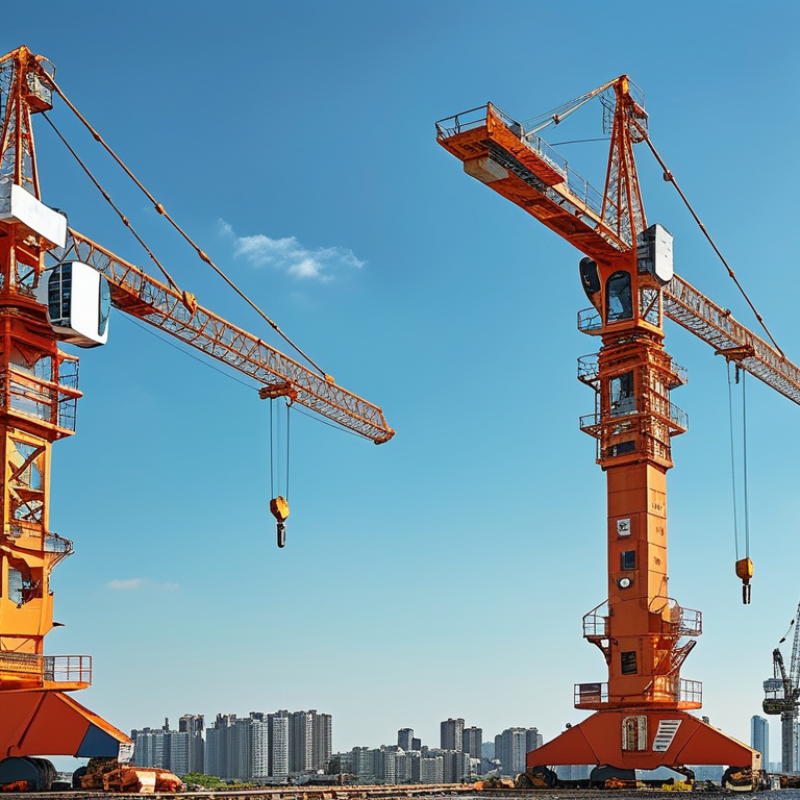
Consider tower cranes as well, especially for tall structures. They provide height and reach but need careful installation. These cranes can be expensive and may not be necessary for smaller jobs. Each crane type serves specific needs, and selecting the right one demands careful assessment. Reflecting on your project's unique demands will help you make the best choice.
How to Choose the Right Lifting Crane for Your Project
| Type of Crane |
Load Capacity (ton) |
Max Height (m) |
Best Use Case |
| Mobile Crane |
10 - 50 |
30 |
Construction Sites |
| Tower Crane |
10 - 120 |
200 |
High-rise Buildings |
| Gantry Crane |
5 - 35 |
15 |
Shipping Yards |
| Jib Crane |
0.5 - 15 |
10 |
Workshops |
| Overhead Crane |
1 - 50 |
20 |
Manufacturing Facilities |
Assessing Project Requirements to Determine Lifting Capacity Needs
Choosing the right lifting crane begins with a clear assessment of your project requirements. Evaluating the weight of materials is crucial. Calculate the maximum load your crane will lift. This includes considering the heaviest single item and the total weight of multiple items. An accurate assessment helps avoid accidents and equipment failure.
The height and reach are equally important factors. Identify the vertical and horizontal distances the crane must cover. Different projects require different reach capabilities. Think about the space available on your job site. Cramped conditions can limit crane options. Don’t overlook environmental factors, too. Wind, rain, or extreme temperatures can affect lifting operations.
As you evaluate these requirements, reflect on the site’s specific needs. Are there any obstacles, such as overhead power lines? Do you need extra safety features? Each project has unique challenges. Taking the time to thoroughly assess these factors can lead to better decisions. A well-chosen crane contributes to overall project safety and efficiency.
Evaluating Site Conditions and Accessibility for Crane Selection
When selecting a lifting crane for your project, evaluating the site conditions and accessibility is crucial. Factors like ground stability, space constraints, and surrounding structures can significantly impact your choice. If the ground is uneven or unstable, a crane may not perform efficiently. Narrow pathways or overhead obstacles could restrict Crane's movement, making it essential to analyze the site beforehand.
Consider the load capacity required for your project. Different cranes have varying strengths. A thorough examination of the load's weight and dimensions will help determine the necessary lifting equipment. Analyze the crane's reach and height capabilities as well, ensuring it aligns with your project's needs. Adjusting your selection based on these factors is wise, as rigidity in choices can lead to inefficiencies.
Understanding accessibility is equally vital. If the crane cannot easily access the site, you'll face delays and increased costs. Evaluate parking areas for the crane and the space for setup. In many projects, the right crane could make a significant difference. Keep an open mind about your requirements. Sometimes, adapting to site constraints offers better outcomes than sticking to initial plans.
Considering Safety Standards and Regulations in Crane Operation
When selecting a crane for your project, safety standards and regulations are paramount. According to the Occupational Safety and Health Administration (OSHA), improper crane operation can lead to severe accidents. In recent years, nearly 60% of crane-related incidents were attributed to safety violations. Understanding the applicable safety standards is crucial for preventing such tragedies.
It’s essential to comply with both local regulations and industry standards. For instance, cranes must meet the American National Standards Institute (ANSI) specifications. Regular inspections and operator training can significantly reduce risks. Statistics show that projects that prioritize safety training see a 40% reduction in accidents.
Consider the working environment when choosing a crane. Factors like ground conditions, weather, and nearby structures affect safety. Crane operators must be equipped with the right knowledge to adapt to changing conditions. Ensuring cranes are rated for the required loads is fundamental. Miscalculating load capacities can lead to catastrophic failures.
For effective crane operation, engaging certified professionals is vital. These experienced operators are familiar with navigation and regulatory compliance, enhancing overall site safety. Sharing safety information within your team fosters a culture of awareness and precaution.
Budgeting and Cost Factors in Choosing the Right Lifting Crane
Choosing the right lifting crane involves careful budgeting and cost considerations. Understanding the project’s needs is crucial. Assess the weight of materials and the height required for lifting. Consider the operational environment, as this can significantly impact crane performance and costs.
Maintenance and operational costs are often overlooked. Regular maintenance is vital to avoid unexpected expenses. It's essential to evaluate hiring versus purchasing a crane. Depending on the project duration, renting can save money upfront. However, purchasing might be more economical for long-term use.
Don’t forget about insurance and safety training. These are significant factors that contribute to the overall budget. Avoid cheaper options that could lead to safety risks and costly delays. It’s also important to consult with experienced professionals in the field. Their insights can guide you in making an informed decision that aligns with your project's budget and requirements. Balancing costs and quality is a challenge, but doing so can lead to a successful project outcome.