What is Claas Bevel Gear and How Does It Work?
Claas Bevel Gear plays a crucial role in many machineries. This component is essential for transferring power efficiently. Understanding its function is vital for those in agricultural and mechanical fields.
The design of Claas Bevel Gear allows for seamless direction changes in rotation. This mechanism is common in tractors and other farming equipment. Ensuring proper alignment is key to its effectiveness. Misalignment can lead to wear and tear, affecting performance.
Many users overlook the importance of regular maintenance. Simple checks can prolong the lifespan of the gear. Failing to address issues early may cause bigger problems later. By understanding how Claas Bevel Gear works, operators can avoid costly repairs and ensure enhanced productivity in their equipment.
What is Claas Bevel Gear?
Bevel gears are essential mechanical components commonly found in various machinery. They allow the transmission of power between shafts that are not parallel. Typically, these gears have conical shapes, facilitating smooth motion in different directions. Their design enables a change in the axis of rotation, often seen in applications like vehicles and industrial equipment.
When discussing how bevel gears work, it is important to note their specific configurations. They come in different types, including straight and hypoid variations. Straight bevel gears have teeth that align parallel to the gear axis, while hypoid gears offer smoother engagement. However, their intricate construction can be challenging, leading to potential misalignment or wear over time.
Understanding bevel gears involves recognizing their strengths and limitations. Proper alignment is crucial for optimal performance. A slight deviation can cause unusual wear or noise. Regular maintenance can improve longevity. Yet, many overlook this detail, which could result in significant downtime. Depending on the application, exploring alternatives may also be worthwhile.
The Design and Components of Claas Bevel Gear
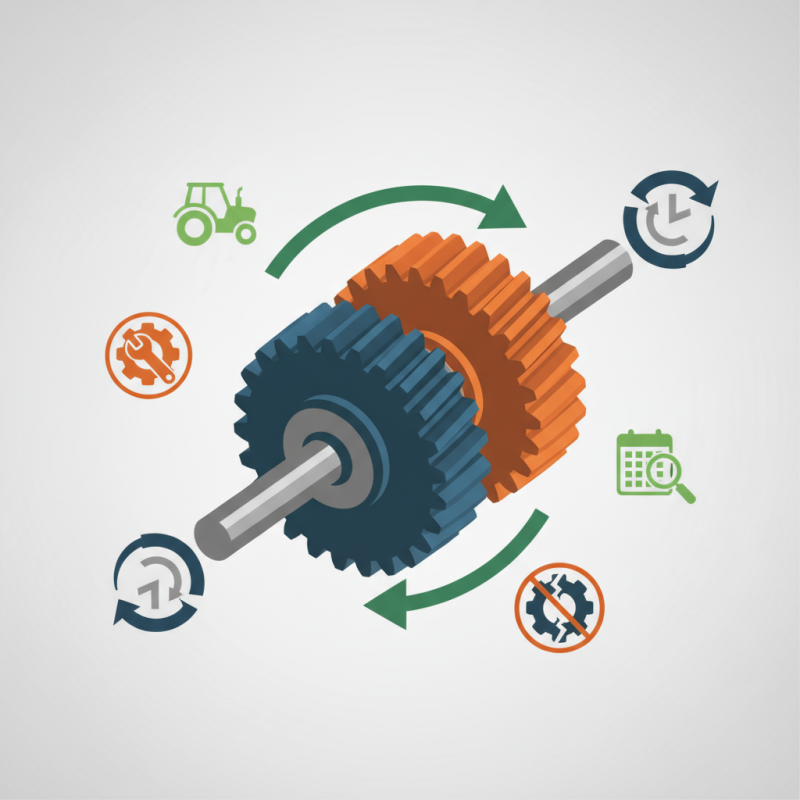
Claas bevel gears play a crucial role in machinery, facilitating the transfer of power at an angle. Their design is defined by specific components: the pinion and the bevel gear. The pinion is smaller and initiates the motion, while the bevel gear, larger and conical, receives it. This geometry allows for efficient torque translation, which is vital in heavy-duty applications like agriculture.
In a typical configuration, the material composition of these gears significantly impacts performance. Often, hardened steel is used for durability. This enhances wear resistance, which is crucial considering that studies indicate gear failures account for nearly 20% of machinery downtime. Misalignment and poor lubrication further exacerbate issues, highlighting the need for precision in design and assembly.
Moreover, the gear ratio affects performance efficiency. Engineers strive for optimal ratios, as data suggest that a 10% increase in efficiency can significantly boost overall output. However, achieving this is not always straightforward, especially under varying load conditions. Engineers must constantly reflect on these challenges to enhance both the design and functionality of bevel gears.
How Claas Bevel Gear Functions in Machinery
Bevel gears play a crucial role in machinery. They are designed to transmit power between shafts that are not in line with each other. This is often essential in various applications where space is limited. The gears are shaped like a cone, allowing them to adjust angles effectively. When one bevel gear turns, the other gear rotates in response. The interaction of these gears helps change the direction of movement.
In practice, bevel gears are commonly found in different devices. For example, vehicles use them to transfer power from the engine to the wheels. This transformation is vital for the vehicle’s operation. The efficiency of bevel gears can vary depending on their design and material. Some gears wear out faster than others, creating friction and reducing performance. This issue often leads to maintenance challenges and sometimes unexpected mechanical failures.
One common mistake is to overlook proper alignment. Misalignment can lead to premature wear and damage. Regular inspection is crucial to ensuring that the gears function correctly. Lubrication is another aspect that requires attention. Without proper lubrication, noise and heat increase. Such factors remind us of the importance of maintenance. Machinery relies heavily on these gears, so keeping them in good shape is essential.
Performance of Bevel Gears in Machinery
The chart above illustrates the performance metrics of bevel gears commonly used in machinery. The parameters measured include torque, efficiency, weight, and cost, providing a comprehensive overview of their functional effectiveness in various applications.
Applications of Claas Bevel Gear in Agriculture
In modern agriculture, efficiency is key. Claas bevel gears play an essential role in optimizing machinery performance. These gears allow for smooth power transmission, especially in complex systems where direction changes are needed.
Farm equipment equipped with bevel gears can operate more efficiently. According to a study by the
International Journal of Agricultural Engineering, the right gear assembly can enhance power transmission efficiency by up to
30%. This improvement translates into lower fuel consumption and increased productivity. Without effective gear systems, machines may struggle,
leading to wasted resources and effort.
Tips: Regularly inspect your gear systems. Look for signs of wear or misalignment. Small issues can lead to significant breakdowns. Maintaining optimal gear function ensures longevity and better performance. Many farmers overlook gear maintenance. These gears are often out of sight, leading to neglect. Yet, maintaining them is crucial. A study revealed that
neglected gear systems could lead to a 25% loss in operational efficiency. Investing time in maintenance can yield significant returns. It is a vital part of sustaining effective agricultural practices.
Advantages and Limitations of Using Claas Bevel Gear
Bevel gears play a crucial role in various mechanical applications. Their ability to transmit power between shafts at right angles makes them essential in many industries. Key advantages include efficient space utilization and high torque capabilities. They can handle heavy loads while maintaining smooth operation. According to industry reports, bevel gears can achieve efficiency ratings of over 95%. This makes them a preferred choice for many machines.
However, there are limitations to consider. Bevel gears generating high levels of noise and vibration is common. This can affect performance and longevity. In some applications, they may be more costly than other gear types. Manufacturing precision must be high to prevent issues like misalignment. A study highlighted that 30% of bevel gear failures result from improper installation and alignment.
It's essential to weigh these pros and cons when choosing bevel gears for a project. While they offer unique benefits, the challenges associated with them shouldn't be overlooked. Decision-makers must consider application specifics to optimize performance and reliability.