Dining room furniture plays a crucial role in defining the aesthetic of modern homes in China. As global buyers seek to enhance their spaces, understanding local trends becomes essential. The evolving preferences in materials, colors, and designs offer a glimpse into contemporary Chinese culture.
One noticeable trend is the growing inclination towards minimalism. Simple designs with clean lines are favored for their elegance. Many pieces focus on functionality, merging charm with practicality. Additionally, natural materials like wood and bamboo gain attention due to their sustainable appeal. Bold colors and patterns are also making a comeback, drawing inspiration from traditional motifs.
Navigating these trends can be daunting for buyers unfamiliar with the market. It is vital to consider local craftsmanship and preferences. Buyers may find it challenging to choose between unique artisanal pieces or mass-produced options. Striking a balance between personal taste and market trends requires careful thought. Embracing these insights will enable buyers to make informed decisions in the evolving landscape of dining room furniture.
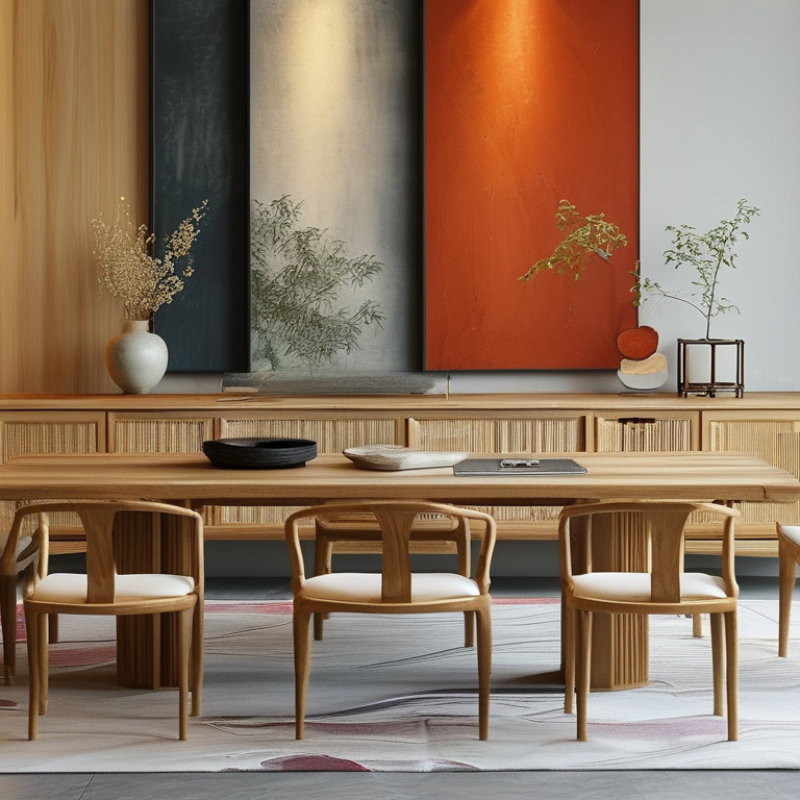
Emerging trends in Chinese dining room furniture design for 2023 reflect a blend of tradition and modernity. The market has shown a strong preference for sustainable materials. According to a recent report by Statista, 66% of consumers prioritize eco-friendly furniture choices. This shift is pushing manufacturers to explore bamboo, reclaimed wood, and recycled materials, fostering a greener dining experience.
Minimalism remains a key influence. Clean lines and simple forms dominate the design landscape. A study from the China National Furniture Association indicates that 47% of buyers favor minimalist aesthetics. This trend emphasizes functionality while creating spacious environments. However, many designers struggle to balance form and usability. Finding pieces that offer both style and comfort is often challenging.
Innovative technology integration is also rising. Smart furniture solutions are gaining traction, attracting tech-savvy consumers. Reports suggest that 35% of young buyers are interested in tech-enhanced elements like built-in charging ports. Yet, the challenge lie in ensuring durability while maintaining high-tech features. Balancing modern conveniences with craftsmanship continues to pose questions for the industry.

In recent years, sustainability has changed the landscape of dining room furniture choices in China. According to a report by the China Furniture Association, over 70% of consumers now prioritize eco-friendly materials. This shift marks a significant change in purchasing behavior. Many buyers are more informed about the environmental impact of their choices.
Natural materials like bamboo and reclaimed wood are increasingly popular. These materials are not only sustainable but also add a unique charm to dining spaces. The demand for non-toxic finishes and low-VOC paints is on the rise. Such details appeal to health-conscious consumers and families.
However, this trend is not without challenges. Many manufacturers face high costs when sourcing sustainable materials. Consequently, some products are still out of reach for average buyers. Additionally, the market lacks uniform standards for what qualifies as “sustainable.” This inconsistency can lead to confusion among consumers. Ultimately, the push for sustainability in dining room furniture reflects broader societal values in China.
| Trend | Description | Sustainability Impact | Popular Materials |
|---|---|---|---|
| Minimalist Design | Simple and functional furniture with clean lines. | Promotes the use of sustainable materials and reduces waste. | Bamboo, recycled wood |
| Natural Finishes | Furniture with natural wood grain and textures. | Encourages the use of eco-friendly wood treatments. | Reclaimed timber, natural oils |
| Multi-Functional Pieces | Furniture that serves multiple purposes to save space. | Reduces the need for additional furniture, lowering consumption. | Composite materials, bamboo |
| Sustainable Sourcing | Using materials sourced from sustainable forests. | Supports forest conservation and reduces environmental impact. | FSC-certified wood, bamboo |
| Emphasis on Local Artisan Craftsmanship | Highlighting handmade, locally made furniture. | Supports local economies and promotes sustainable practices. | Local hardwoods, hand-woven textiles |
As dining room trends evolve in China, customization and personalization stand out. More buyers seek unique pieces to reflect their identities. This shift is not just aesthetic; it is about creating a space that tells a story. Customers now favor handmade items that carry a personal touch. They want furniture that resonates with their experiences and lifestyles.
Craftsmanship plays a crucial role in this trend. Artisans infuse local culture into their designs. For instance, traditional motifs are combined with modern lines to create stunning dining tables or chairs. Color choices are becoming bolder, with deep hues that challenge conventional palettes. Features like mixed materials, such as wood and metal, are taking center stage. This blend enhances both durability and visual appeal.
However, the move towards personalized furniture does not come without challenges. Finding skilled artisans can be difficult. Concerns about consistency in quality can arise. Moreover, the lead time for custom pieces is often longer than for mass-produced items. Buyers sometimes face disappointment due to unmet expectations regarding design realization. Despite these issues, the allure of bespoke dining furniture continues to captivate consumers.
Urbanization in China greatly influences dining room layouts and furniture styles. As cities expand, homes become smaller. This shift affects how families use their dining spaces. Many now prioritize functionality and comfort in their dining areas. Open-plan designs have grown in popularity, blending dining with living spaces. This encourages a more relaxed atmosphere for family meals and social gatherings.
Small dining tables have become essential. They save space while providing a cozy setting for meals. Multi-functional furniture is on the rise. Look for tables with extendable features or storage options. These pieces cater to both daily needs and special occasions. Minimalist designs are also trending. They promote simplicity and decluttered spaces.
**Tips for Global Buyers:** Consider local materials and styles that resonate with modern Chinese sensibilities. Focus on versatility and charm. Think about how a piece can serve multiple functions. Quality craftsmanship is important for durability and appeal. Test various layouts to find the optimal use of space. Experiment with colors and textures to enhance the dining experience.
E-commerce has dramatically transformed China's dining room furniture market. In recent years, online platforms have gained immense popularity. This shift provides buyers a broader selection and better prices. Many consumers prefer online shopping for its convenience. They can browse various designs and materials from their homes. This is especially attractive to younger buyers.
The growth of online shopping also brings challenges. Many sellers struggle to convey the quality of their products online. Photos may not capture the true color or texture of the furniture. Additionally, the lack of personal interaction can lead to uncertainty. Buyers might hesitate to make purchases without experiencing the items firsthand.
Despite these challenges, e-commerce offers significant opportunities. It allows smaller manufacturers to reach global markets. This benefits buyers with unique designs that blend traditional and modern styles. As online shopping continues to evolve, feedback is crucial. Companies must adapt to consumer needs to thrive in this competitive landscape.