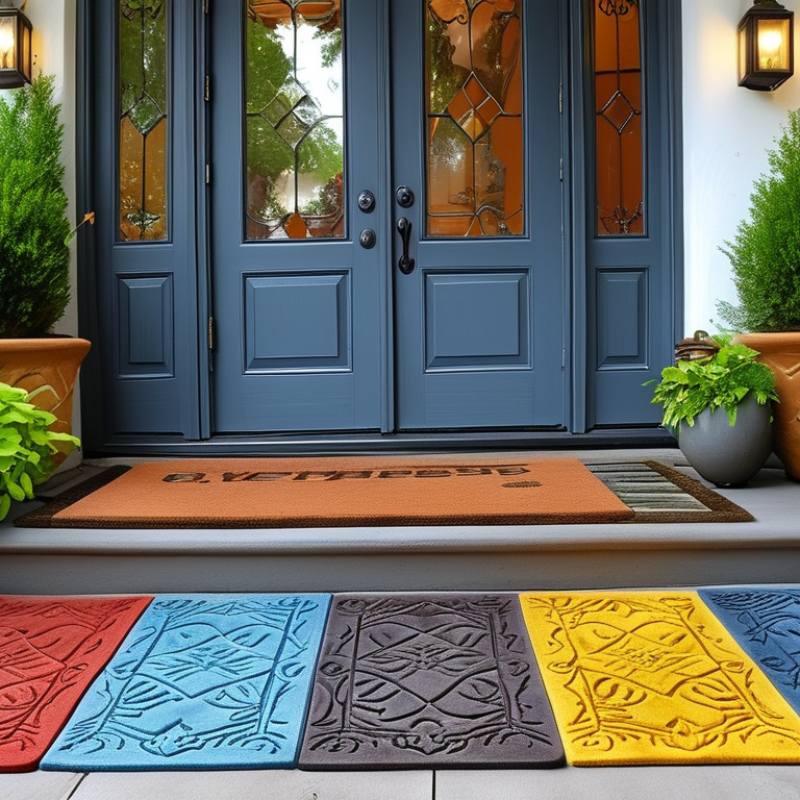
Top 10 Door Mat Tips for Global Buyers to Consider?
Selecting the right door mat is essential for global buyers. It serves not just a practical purpose, but also a decorative one. A door mat welcomes guests and protects your floors. With so many options available, making a choice can be overwhelming.
Understanding the different materials is key. Some mats are made from natural fibers, while others use synthetic materials. Think about where you will place the door mat. Indoor mats often vary from outdoor ones in durability and design. Colors and patterns can enhance your entryway’s appeal, but functionality is paramount.
Buyers should reflect on their specific needs. What kind of traffic will the mat endure? How important is easy cleaning? Each detail matters. Examining these questions will help choose the best door mat, ensuring it serves both practicality and style effectively.
Top Materials for Durable Door Mats: A Comparative Analysis
When selecting a durable door mat, the material plays a crucial role in longevity and functionality. Natural fibers like coir (coconut husk) are popular choices. They are biodegradable and provide excellent scraping capabilities. Coir mats effectively remove dirt and moisture, ensuring homes stay cleaner. However, they can absorb water, leading to quick wear in rainy climates.
Synthetic options like polypropylene offer durability without the moisture issues. These mats repel water, resisting mold and mildew. According to industry reports, polypropylene mats can last up to five years with proper care. They are often available in various colors and designs, appealing to many consumers. However, their sustainability is a concern, as they are not biodegradable.
Rubber is another common material known for its resilience. It provides a slip-resistant surface, ideal for busy entryways. Mats made from recycled rubber are gaining popularity, combining durability with eco-friendliness. Yet, they may fade under direct sunlight. Buyers should consider their specific needs, such as appearance and maintenance, before deciding on the ideal material for their door mat.
Top 10 Door Mat Tips for Global Buyers to Consider
| Material | Durability (Years) | Water Absorption | Maintenance | Eco-Friendly Option |
| Coir | 3-5 | Moderate | Low, natural fibers | Yes |
| Rubber | 5-10 | High | Medium, rinse required | No |
| Synthetic Fiber | 3-6 | High | Easy, vacuum | No |
| Vinyl | 4-8 | Moderate | Easy, wipe clean | No |
| Grass | 2-4 | Low | Medium, shake out | Yes |
Size Matters: Choosing the Right Dimensions for Maximum Effectiveness
When selecting a door mat, size is crucial. The mat should fit the space where it's placed, both functionally and aesthetically. A small mat may look lost or be ineffective at keeping dirt at bay. Conversely, a mat that's too big can overwhelm the entryway, making it feel cramped. Take time to measure your door frame and the available floor space to determine the ideal dimensions.
Consider the thickness of the mat, too. A thicker mat can absorb more dirt and moisture, contributing to a cleaner home. However, it may not fit under some doors, especially if they swing low. A balance between size and functionality is essential. Some mats are designed for specific purposes, such as indoor use or heavy outdoor traffic. Choose one that matches your needs and entryway style.
Reflect on your entryway design. The right mat size can enhance the overall look while serving its purpose. If you're unsure, choose a slightly larger mat that can make a bold statement. Remember to account for safety; mats should not obstruct door movement. Finding the right dimensions is key to achieving a welcoming and practical entrance.
Evaluating Texture: How Different Designs Affect Dirt Trapping Efficiency
When choosing a door mat, texture plays a crucial role in how well it traps dirt. Mats with coarse fibers can effectively scrape off mud and grime from shoes. These textures create friction, which helps remove dirt better than smooth surfaces. Consider the weather in your area. In rainy regions, a mat that can absorb water is essential. This prevents slippery entrances.
Different designs also influence functionality. Mats featuring raised patterns or grooves create a path for dirt to fall into. These elements increase the mat's dirt-trapping efficiency. However, cleaning can become a challenge. Some intricate designs may trap debris deep within their fibers. This can lead to a buildup of dirt over time.
Buyers should also think about the thickness of the mat. A thicker mat can provide better durability and absorbency. However, it may not be as easy to clean as a thinner mat. It’s beneficial to weigh your preferences against potential maintenance issues. Ultimately, the right combination of texture and design will ensure your entryway stays clean and inviting. Consider learning from personal experiences. What worked last year? What needs improvement this time?
Sustainability in Door Mats: Eco-Friendly Options for Global Buyers
When considering eco-friendly door mats, buyers should focus on sustainable materials. Natural fibers like jute, coir, and bamboo are excellent choices. These materials are biodegradable and reduce plastic waste. Look for products made from recycled materials. This choice not only supports the planet but also reduces the demand for new resources.
Remember to check the manufacturing process. Some mats are treated with harmful chemicals. Opt for mats that are free from toxic substances. Certifications from environmental organizations can help you identify safe options. Additionally, consider the mat's durability. A long-lasting product not only saves money but also minimizes waste.
Sustainability is not just about materials. It's also about functionality. Choose mats that effectively trap dirt and moisture. This prolongs the life of your flooring and reduces cleaning frequency. However, keep in mind that some eco-friendly options may require more maintenance. Consider your lifestyle and willingness to care for these products. This balance is crucial for making the right purchase.
Market Trends: Consumer Preferences in Door Mat Features and Styles
When considering door mat features, consumer preferences have evolved significantly. Buyers now seek mats that are not only functional but also stylish. Popular materials include coir, rubber, and polyester. Each material has its advantages. For instance, coir mats provide excellent dirt trapping. Rubber options are durable and weather-resistant. Color and design also play crucial roles in consumer choices.
Some popular styles are modern, rustic, and whimsical. Modern designs often incorporate minimalistic patterns. Rustic mats may feature nature-inspired elements. Whimsical styles attract those with a playful spirit. It's important to note that trends can shift quickly. What appeals today may not appeal tomorrow.
Practicality cannot be forgotten. Many buyers prioritize easy maintenance and durability. Mats that withstand harsh weather are often more desirable. However, not all buyers fully understand their specific needs. They may rush into a purchase without considering long-term use. Therefore, taking the time to weigh options can lead to better choices.