10 Essential Tips for Using Mobile Lift Crane Safely and Efficiently?
Operating a mobile lift crane can be challenging yet rewarding. These powerful machines play a vital role in construction and heavy lifting. However, safety and efficiency must be prioritized. Each operation carries inherent risks that require careful management.
When using a mobile lift crane, attention to detail is crucial. Operators must familiarize themselves with the crane’s specifications and limitations. This knowledge aids in making informed decisions during lifting operations. Misjudgments can lead to accidents, causing injury or damage.
In today's fast-paced environments, efficiency is key. Streamlining processes can save time and resources. However, rushing can lead to mistakes. Taking time to assess the worksite, communicate effectively, and plan the lift are essential steps for a successful operation. Embracing these practices ensures that the mobile lift crane is used safely and effectively.
Understanding Mobile Lift Cranes: Types and Functions
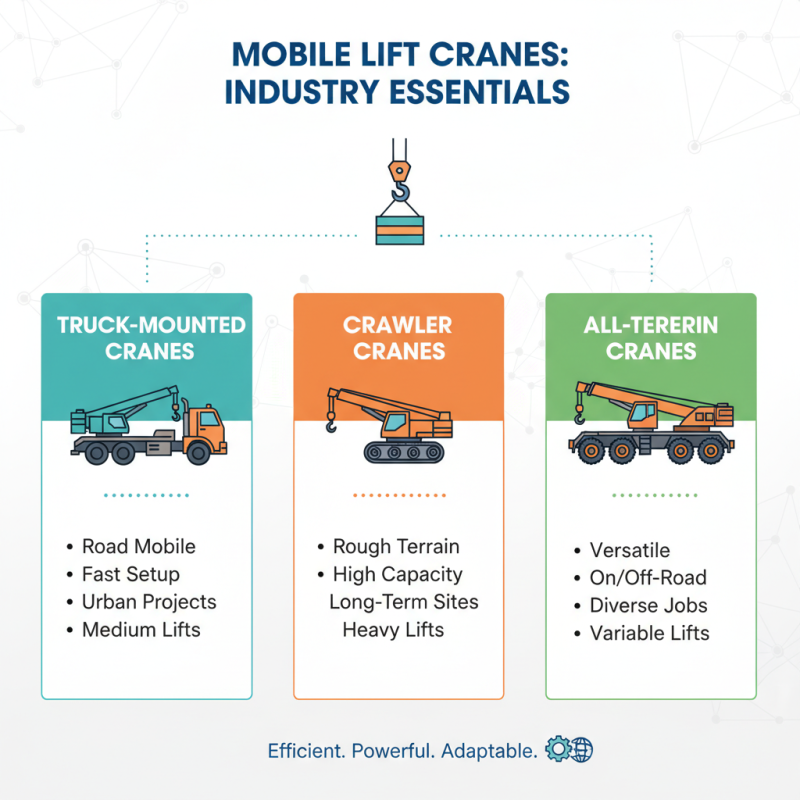
Mobile lift cranes are essential in various industries. They provide an efficient way to lift and transport heavy materials. Different types of mobile lift cranes include truck-mounted, crawler, and all-terrain cranes. Each type serves specific functions based on the work environment.
Truck-mounted cranes are versatile and mobile. Crawler cranes excel on rough terrains, offering stability. All-terrain cranes combine features of both and operate in various conditions. Recent statistics show that the demand for mobile cranes has grown by over 5% annually, driven by construction and infrastructure projects.
Tip: Always perform pre-operation checks. Mechanical issues can lead to accidents. Regular inspections can prevent failures.
Proper operator training is crucial. Skilled operators can maximize efficiency while maintaining safety. Inadequate training often results in mistakes. Nearly 70% of crane incidents stem from operator error, highlighting the importance of thorough training programs.
Tip: Use clear communication signals. This practice reduces misunderstandings on site. Ineffective communication can contribute to mishaps. Mobile lift cranes are powerful tools, but unsafe practices can lead to dangerous situations.
Key Safety Features to Look for in Mobile Lift Cranes
Mobile lift cranes are vital in various industries. Safety should be the top priority when using these machines. Key safety features can significantly enhance their efficiency. One critical aspect is the stability system. Cranes equipped with advanced stability features reduce the risk of tipping. According to the Occupational Safety and Health Administration (OSHA), 45% of crane accidents stem from instability.
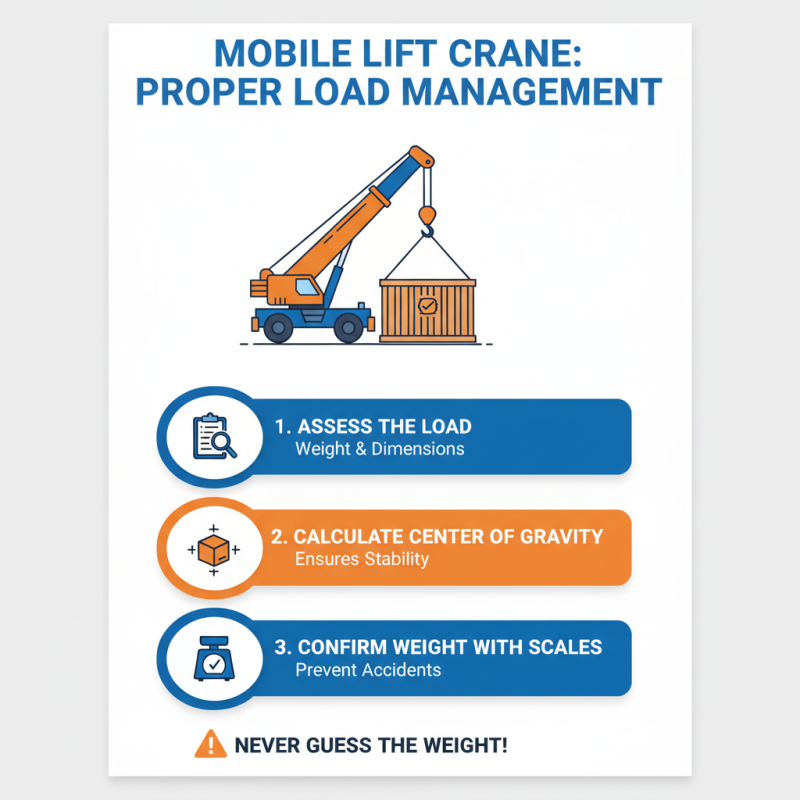
Another essential feature is load monitoring. Accurate load sensors ensure that the crane operates within safe limits. This prevents overloading situations, which can lead to catastrophic failures. A report from the National Safety Council states that improper load handling accounts for 29% of crane-related injuries. Regular maintenance checks on these sensors are necessary but often overlooked.
Operator training is equally important. While many operators understand basic procedures, ongoing training can enhance their skills. Ensuring that operators know how to respond to emergencies reduces risk. Short refresher courses can make a significant difference. A well-trained operator must be able to assess the environment and adjust the crane's operation accordingly. The importance of these proactive measures cannot be understated. They create a safer workplace and prevent costly accidents.
Step-by-Step Pre-Operational Checklist for Mobile Lift Cranes
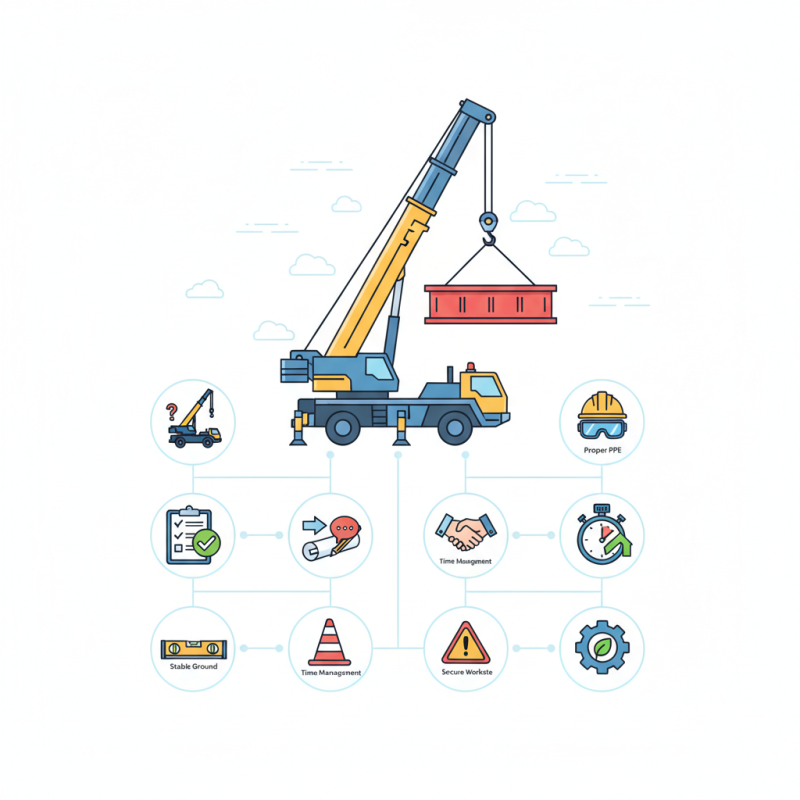
Before operating a mobile lift crane, a thorough pre-operational checklist is vital. Begin by inspecting the crane’s physical condition. Look for any signs of wear or damage on the boom and cables. Ensure that all safety devices are in place and functioning. Check fluid levels and look for leaks in the hydraulic system. If anything appears off, consider postponing operations.
Next, review the site conditions. Assess the ground stability and ensure it can support the crane's weight. Confirm the presence of overhead obstructions. Evaluate the wind conditions as high winds can be hazardous. Lastly, ensure that all team members understand their roles. Effective communication is essential for safe operations. Conduct a brief meeting to go over the tasks and address any concerns. Reflect on past experiences to identify areas for improvement.
Consider keeping a detailed log of daily inspections as well. This log can help track recurring issues. Learning from each lift can inform better practices in the future. Regular training sessions can also enhance safety awareness among operators. Prioritize safety and efficiency to minimize risks while maximizing productivity.
Essential Training and Certification for Mobile Lift Crane Operators
Operating a mobile lift crane safely and efficiently requires skilled operators. Essential training programs enhance operators’ abilities, increasing job safety. The National Commission for the Certification of Crane Operators (NCCCO) states that properly trained operators reduce accident risks by up to 50%. Investing in solid training is not just best practice; it’s crucial for workplace safety.
Operators must understand the equipment's mechanics and safety protocols. Practical training helps them identify hazards before they become issues. In real-life scenarios, many accidents stem from a lack of knowledge. For example, an operator unaware of load limitations may risk an unstable lift, leading to potential disaster.
Regular refresher courses are vital. They help operators stay updated on the latest safety regulations. Continuous education can significantly lower the likelihood of accidents. For instance, a 2021 industry report noted that companies with ongoing training programs saw a 40% decrease in injury rates.
Tip: Always inspect the crane before use. Checking for defects can avert significant issues. Tip: Communicate clearly with the team. Effective communication is key in avoiding misunderstandings during operations. Operator training matters deeply; it could mean the difference between safety and tragedy.
10 Essential Tips for Using Mobile Lift Crane Safely and Efficiently
This chart illustrates the importance of various safety tips for mobile lift crane operations, showcasing both the effectiveness and the level of implementation on a scale from 1 to 10.