Why Choose a Large Mobile Crane for Your Next Construction Project
In the ever-evolving world of construction, the selection of the right equipment can significantly influence project efficiency and safety. One of the most versatile and powerful tools available is the large mobile crane. As industry expert John Thompson, a renowned construction engineer, aptly states, “A large mobile crane is not only about lifting heavy loads; it’s about ensuring the entire project runs smoothly and safely.” This highlights the importance of choosing the right machinery tailored to the specific demands of a construction site.
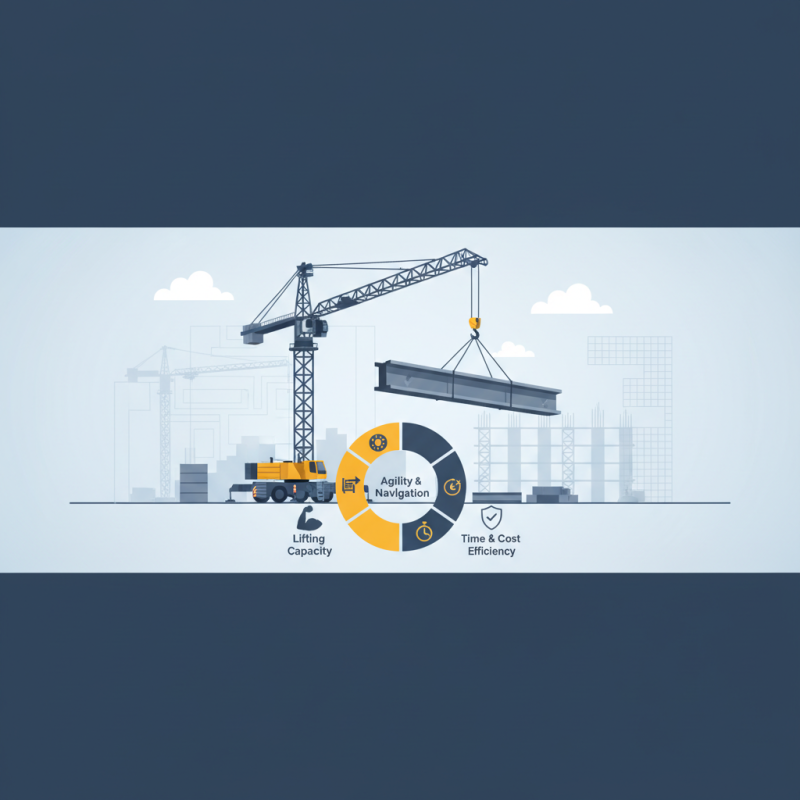
The advantages of utilizing a large mobile crane are numerous. Beyond their impressive lifting capacities, these cranes are designed for agility, allowing them to navigate various terrains and access hard-to-reach areas on-site. This adaptability is crucial in large-scale projects, where logistical challenges can arise unexpectedly. Furthermore, the operational efficiency provided by large mobile cranes can lead to significant time savings, ultimately reducing project costs and bolstering productivity.
As we delve deeper into the reasons for selecting a large mobile crane for your next construction project, we will explore the myriad benefits it offers, from enhanced safety features to cost-effectiveness, ensuring that your investment is both strategic and impactful.
Benefits of Large Mobile Cranes in Construction Projects
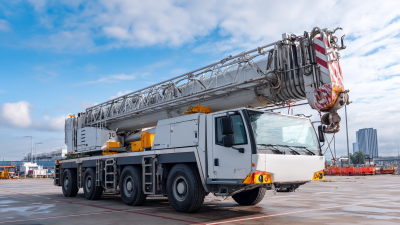
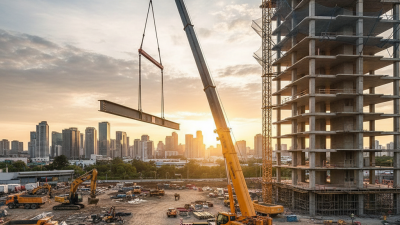
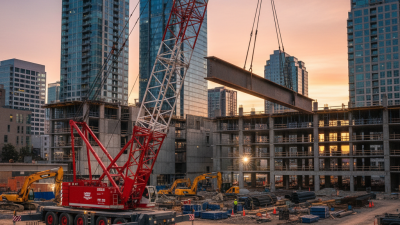
Large mobile cranes play a crucial role in construction projects due to their impressive lifting capacities and versatility. One of the primary benefits of using large mobile cranes is their ability to handle heavy loads with precision. These cranes can lift substantial weights, making them ideal for transporting materials and equipment on job sites where heavy lifting is a frequent necessity. Their robust construction allows them to manage various types of materials, from steel beams to concrete panels, enhancing the overall efficiency of the project.
Another significant advantage of large mobile cranes is their mobility. Unlike fixed cranes, which are limited to a specific location, large mobile cranes can easily navigate around construction sites and access different areas without the need for extensive setup time. This mobility not only speeds up the construction process but also allows for greater flexibility in the placement of materials, which is essential for maintaining workflow. Additionally, modern large mobile cranes come equipped with advanced technology, making them safer and easier to operate, reducing the risk of accidents and improving overall site productivity.
Key Specifications and Capabilities of Large Mobile Cranes
Large mobile cranes play a vital role in modern construction projects, thanks to their impressive specifications and capabilities. These cranes typically boast lifting capacities ranging from 100 tons to over 1,200 tons, with maximum reaches exceeding 300 feet, depending on the model. Such figures are crucial for handling large structural components, facilitating the transportation of heavy machinery, and executing intricate lifting tasks in tight urban environments. According to the American National Standards Institute (ANSI), the demand for cranes capable of heavy lifting has increased by over 30% in the last five years, highlighting their indispensable nature in large-scale developments.
When selecting a large mobile crane, it's essential to consider several key specifications that determine its suitability for your project. These include the crane's maximum load capacity, boom length, and setup configuration. Additionally, the versatility of large mobile cranes allows for various attachments, such as jibs and counterweights, enhancing their functionality for specific tasks. It’s worth noting that the deployment of mobile cranes reduces the time and manpower required for lifting operations, leading to significant cost savings on construction projects.
**Tips:** Ensure you assess the site conditions, as factors like ground stability and space can influence crane performance. Always consult with a trained professional to evaluate the best crane type and configuration for your specific lifting needs to maximize efficiency and safety during operations.
Specifications and Capabilities of Large Mobile Cranes
Cost-Effectiveness of Utilizing Large Mobile Cranes
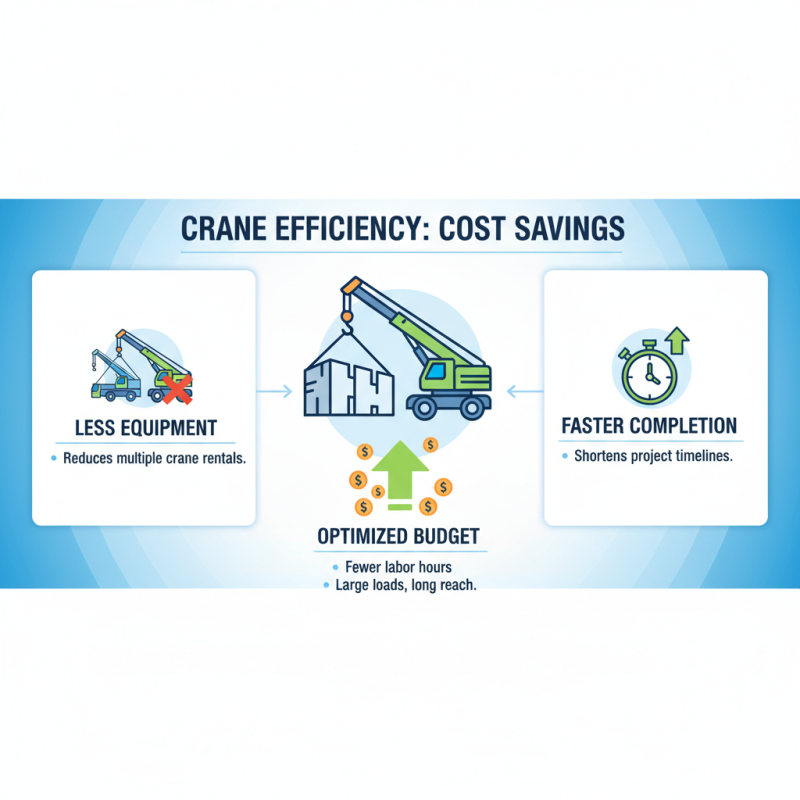
When considering the cost-effectiveness of utilizing large mobile cranes in construction projects, it is essential to recognize their potential to significantly reduce labor and equipment expenses. Large mobile cranes possess the capability of lifting substantial loads over considerable distances, which minimizes the need for multiple smaller cranes on site. This efficiency not only decreases the rental costs associated with multiple machines but also streamlines operations, reducing the overall project timeline. The ability to complete tasks with a single crane translates to fewer hours of labor, leading to a more optimized budget allocation.
Moreover, investing in a large mobile crane can lead to additional savings through enhanced safety and reduced risk of accidents. These cranes are designed with advanced technology and safety features that ensure stability and control while handling heavy materials. By minimizing the likelihood of mishaps, companies can avoid expensive delays and potential liabilities. Additionally, the versatility of large mobile cranes allows them to adapt to various project requirements, making them a valuable asset that can contribute to long-term cost savings across multiple projects. This combination of efficiency, safety, and versatility firmly establishes large mobile cranes as a wise investment for any construction endeavor.
Safety and Efficiency Enhancements with Large Mobile Cranes
When undertaking a construction project, the choice of equipment plays a crucial role in ensuring both safety and efficiency. Large mobile cranes are a popular option for many reasons, particularly because they significantly enhance safety measures on job sites. Their stability and reach allow them to lift heavy materials and equipment with precision, minimizing the risk of accidents. By using a large mobile crane, contractors can ensure that heavy loads are positioned accurately, reducing the likelihood of mishaps that can occur with smaller cranes or manual labor.
Tips for maximizing safety with large mobile cranes include conducting thorough safety training for all operators and ground crew. Understanding the crane's capabilities and limitations is essential to prevent overloading or improper use. Additionally, regular maintenance checks should be performed to ensure that all components are functioning correctly, which is key to preventing mechanical failures during operation.
Efficiency is another significant advantage of using large mobile cranes. Their ability to lift and reposition materials quickly allows construction projects to stay on schedule. With advanced technology incorporated into modern cranes, including automated systems for load handling, the process of lifting becomes smoother and faster. To make the most of this efficiency, it's important to plan out lift operations beforehand, including load paths and timing, to ensure that the crane can work without delays or interruptions.
Industry Trends and Demands for Large Mobile Crane Usage
The construction industry has seen a significant shift towards the utilization of large mobile cranes, primarily driven by evolving project requirements and increased efficiency demands. As construction sites become more complex, with taller buildings and intricate designs, the need for powerful lifting equipment has become paramount. Large mobile cranes offer the versatility to handle substantial loads while maneuvering within tight spaces, making them an ideal choice for urban construction projects. This adaptability not only enhances productivity but also ensures that projects can be completed within tighter timelines, a trend that is becoming increasingly relevant in today’s fast-paced construction environment.
Moreover, the demand for large mobile cranes is reflective of a broader industry trend towards mechanization and automation in construction practices. Companies are recognizing the cost benefits associated with using advanced equipment that can operate more quickly and with greater precision. With labor shortages persisting in many regions, the adoption of larger mobile cranes allows for a more streamlined operation where fewer workers are needed for the same amount of work, thus optimizing resource allocation. This shift contributes to an overall increase in safety on the job site, as advanced cranes often come equipped with the latest technology to support safe and efficient lifting operations.