Top 5 Local Crane Tips for Efficient Global Procurement
In today's competitive market, effective procurement strategies are essential. Local crane operations play a vital role in optimizing supply chains. Engaging local crane services can streamline logistics, reduce costs, and improve time efficiency.
These local companies possess unique insights into regional regulations and market needs. Their expertise can help avoid common pitfalls. However, many businesses overlook the potential of local crane resources. This often leads to missed opportunities for enhanced collaboration.
Navigating the complexities of global procurement requires a thoughtful approach. Utilizing local crane services can be a game-changer. Businesses must recognize the importance of integrating these resources into their supply chain strategies for greater efficiency.
Understanding the Basics of Local Crane Procurement
When it comes to local crane procurement, understanding the basics is crucial for efficient global operations. According to industry reports, the crane rental market is projected to reach $50 billion by 2026. As companies expand their operations, knowing how to source cranes locally can save both time and money.
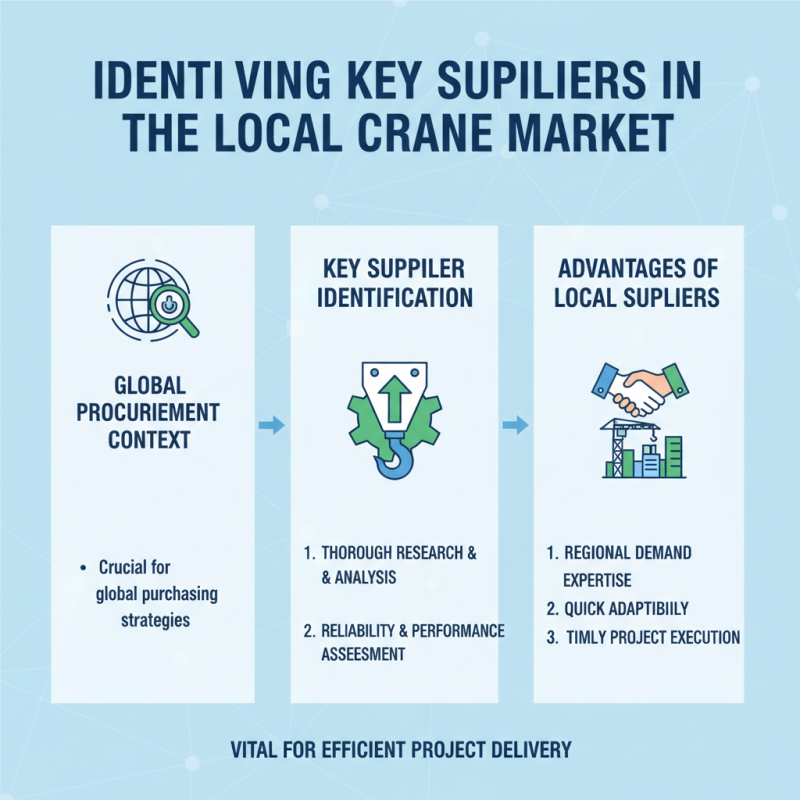
One important tip is to build relationships with local suppliers. Having reliable contacts can lead to better prices and faster service. Local suppliers often understand the region's regulations and can provide insights that remote partners cannot. Additionally, maintain an updated database of local suppliers to streamline communication.
Another consideration is to factor in the total cost of ownership. This includes maintenance, transport, and insurance. A comprehensive analysis can reveal hidden costs that might derail a project budget. Often, companies overlook these details, leading to unexpected expenses.
Lastly, be aware of the seasonal demands in specific regions. Weather conditions can heavily impact crane availability. For example, sourcing cranes during peak construction season may require advanced planning. Being proactive can mitigate delays and enhance procurement efficiency.
Top 5 Local Crane Tips for Efficient Global Procurement
Evaluating Crane Quality and Performance for Global Standards
When procuring cranes for global operations, evaluating quality and performance is essential. A crane’s construction and material determine its durability. Steel frames often provide better strength, while lightweight materials can enhance mobility. Understanding these aspects ensures your procurement meets the necessary operational standards.
Performance metrics are equally critical. Load capacity and lifting speed directly affect productivity. Test each crane under various conditions to assess its efficiency and reliability. Many cranes struggle in extreme environments. If a model doesn’t perform well under high humidity or extreme temperatures, it’s worth reconsidering.
Moreover, consider maintenance ease. A crane that is difficult to maintain could lead to increased downtime. Check for accessible parts and the availability of service support. This factor often influences long-term operational costs. Reflection on these elements can lead to better purchasing decisions and efficient global procurement strategies.
Streamlining Communication Between Local Vendors and Global Teams
Effective communication between local vendors and global teams is crucial for successful procurement. According to a recent report by McKinsey, companies can increase efficiency by 25% through improved collaboration. Clear messaging helps in minimizing misunderstandings. This becomes particularly important when handling complex projects that span multiple regions.
Utilizing digital platforms can streamline these interactions. Tools like collaborative software and instant messaging apps enhance communication. They allow for real-time updates and feedback. A study by Gartner indicates that 70% of procurement teams leverage technology to interact with suppliers in different locations. However, technology alone is not a panacea. Sometimes, the human element is overlooked. Misalignments often arise from cultural differences, so sensitivity is key.
Training sessions on cultural awareness can mitigate this issue. They prepare teams to navigate diverse perspectives. In fact, Harvard Business Review found that organizations with such training see a 30% reduction in conflicts. However, implementing these sessions may require time and investment, which some teams might be hesitant to allocate. Thus, it’s essential to approach solutions holistically, balancing technology and human connection.
Top 5 Local Crane Tips for Efficient Global Procurement - Streamlining Communication Between Local Vendors and Global Teams
| Tip No. |
Tip Description |
Local Vendor Best Practices |
Global Team Communication Tools |
Expected Outcome |
| 1 |
Establish Clear Guidelines |
Define quality and compliance standards |
Project Management Software |
Reduced misunderstandings |
| 2 |
Foster Relationships |
Regular meetings with key vendors |
Video Conferencing Tools |
Strengthened partnerships |
| 3 |
Implement Feedback Loops |
Establish feedback channels for quality checks |
Surveys and Feedback Tools |
Continuous improvement in services |
| 4 |
Optimize Supply Chain Processes |
Utilize up-to-date technology |
Supply Chain Management Software |
Improved efficiency and reduced costs |
| 5 |
Regular Training Sessions |
Train local vendors on compliance and quality |
Learning Management Systems |
Enhanced skills and knowledge |
Implementing Effective Logistics Strategies for Crane Delivery
Efficient crane delivery relies heavily on effective logistics strategies. Understanding the local landscape is crucial. Local regulations and infrastructure can significantly impact delivery timelines.
Planning routes with potential obstacles in mind can save both time and resources. This requires careful research and often, unexpected contingencies arise. Traffic patterns, road conditions, and loading dock access must all be considered when mapping out deliveries.
Partnering with local experts can enhance your logistics strategy. Their knowledge about regional transportation can provide insights not found in standard logistical models. However, relying solely on external advice can sometimes overlook specific organizational nuances.
Regularly check in with your logistics team to ensure alignment. Flexibility is key; adapting to last-minute changes is essential for maintaining efficiency.
Overlooked details can often lead to delays. For instance, failing to account for equipment compatibility can result in costly downtime. Additionally, communication gaps between local suppliers and your organization can create misunderstandings.
Establishing clear channels is important. Transparency in scheduling and expectations reduces errors and improves overall delivery performance.