What is a Mobile Boom Crane and How Does it Work?
In the construction industry, a mobile boom crane stands out for its versatility and efficiency. According to Dr. Emily Carter, a leading expert in crane technology, “The mobile boom crane revolutionizes how we approach heavy lifting.” Understanding this machinery is crucial for modern operations.
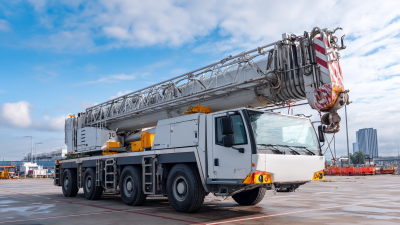
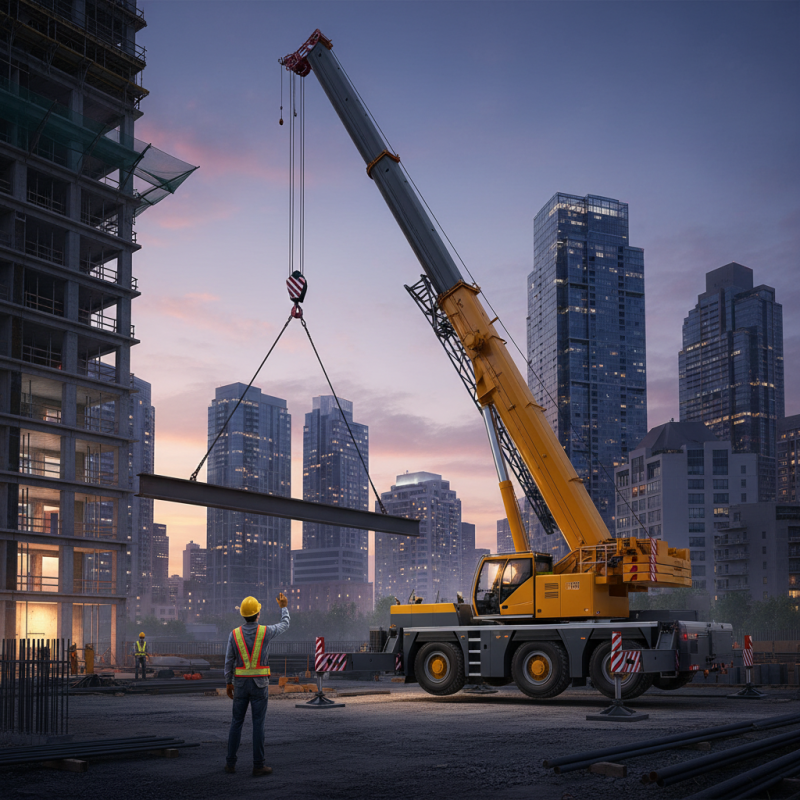
A mobile boom crane is designed to lift and move loads in various settings. It features a telescopic boom, which extends to reach different heights and distances. This design enhances the crane's ability to maneuver in tight spaces, making it valuable for urban construction projects. However, with such capability comes the need for precision and safety.
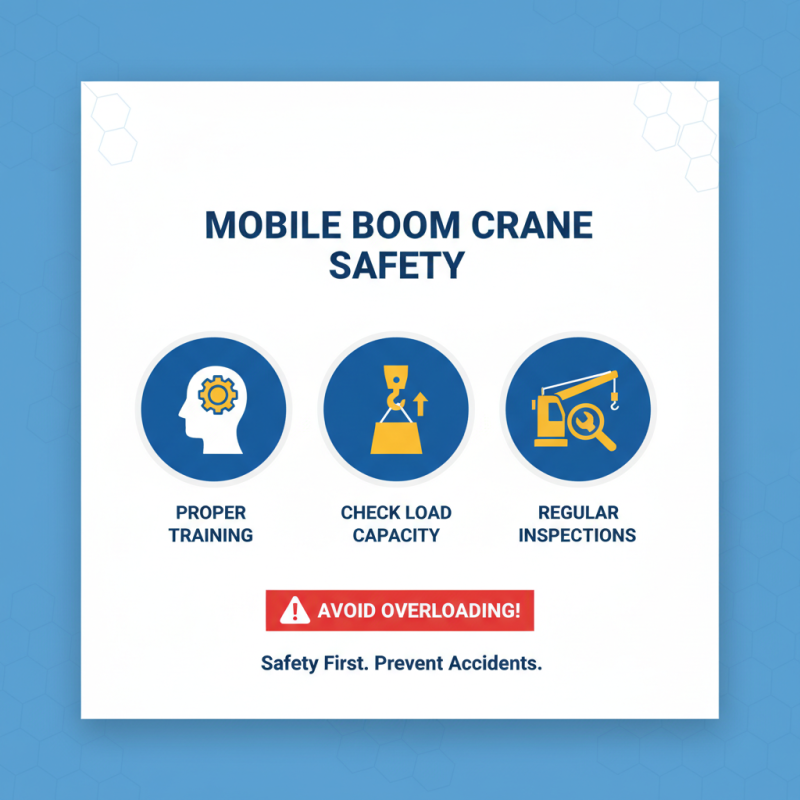
While mobile boom cranes are exceptional tools, their operation is not without challenges. Operators must undergo training to manage the equipment correctly. Mistakes can lead to accidents, emphasizing the importance of safety protocols. Reflecting on these aspects reveals the dual nature of mobile boom cranes: they are powerful allies that require respect and careful handling.
What is a Mobile Boom Crane?
Mobile boom cranes are versatile lifting machines commonly used in construction and industrial settings. These cranes feature a long, adjustable arm known as a boom. The boom can extend outwards and upwards, allowing for a wide range of movement and reach. This flexibility makes them ideal for lifting heavy loads in confined spaces where traditional cranes might struggle.
The operation of a mobile boom crane involves several key components. The boom is mounted on a wheeled chassis, enabling easy transportation across various terrains. Operators control the crane using a series of levers and buttons, which can seem overwhelming at first. It’s essential for users to familiarize themselves with the controls and understand the crane's limits. Even an experienced operator can have mishaps if they are not cautious.
One must consider the stability of the crane while lifting loads. Improper positioning can lead to tipping or accidents, risking safety. Understanding the environment and load weight is crucial. The mobile boom crane's design allows for efficient movement but requires careful operation. Regular training and safety checks can help mitigate these risks, but awareness and precision are always vital in such operations.
The Key Components of a Mobile Boom Crane
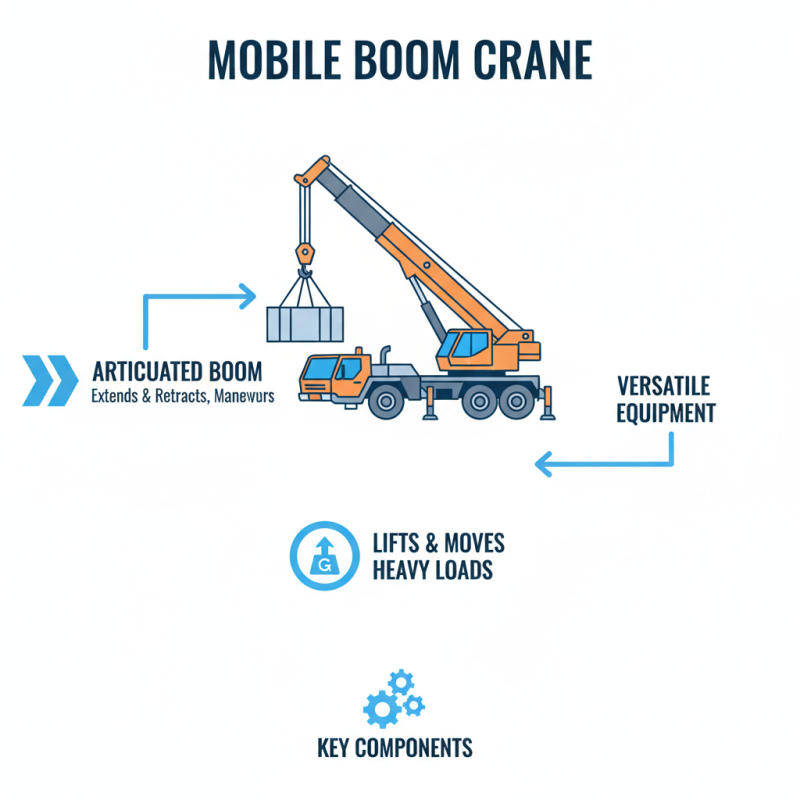
A mobile boom crane is a versatile piece of equipment used for lifting and moving heavy loads. Its effectiveness hinges on several key components. The boom is the most crucial feature. It extends and retracts to reach different heights and distances. Typically, this component is articulated, allowing it to maneuver around obstacles easily.
Another vital part is the base. It provides stability and mobility. Many models have wheels for easy relocation. That said, the setup must be level to avoid accidents. The operator’s cabin is also essential. It includes controls for precise movements. Operators need to have a clear line of sight for safety during operations.
The hydraulic system powers the boom's movements. It uses fluid pressure to lift and lower heavy items, a process that, while effective, requires careful monitoring. Operators must be mindful of the weight limits. Exceeding these limits can lead to equipment failure. Attention to detail is crucial for safe operation. Regular maintenance is vital too. Over time, wear and tear can compromise efficiency.
How Mobile Boom Cranes Operate Mechanically
Mobile boom cranes are fascinating machines known for their versatility in construction and logistics. Their operation relies heavily on mechanical principles that allow them to lift heavy loads with precision. At the heart of a mobile boom crane is a powerful hydraulic system. This system converts fluid pressure into mechanical force.
The crane's boom, often resembling a large arm, extends and retracts based on operator commands. The hydraulic cylinders drive these movements, making the crane agile. Operators use joysticks to control the boom’s angle and reach. They must be precise; any miscalculation can lead to safety hazards. Safety measures, like load limits, are critical but can sometimes be overlooked.
Other mechanical elements include the counterweights and tracks. Counterweights help balance the crane when lifting. Tracks ensure stability and mobility. However, the performance can be affected by uneven ground or poor maintenance. These situations can create challenges that require immediate attention. Such complexities illustrate the need for skilled operators and thorough training. Proper operation is not just about getting the load moved; it’s about doing it safely and effectively.
Mobile Boom Crane Operation Efficiency by Weight Capacity
Applications of Mobile Boom Cranes in Various Industries
Mobile boom cranes are vital in various industries. They are used for lifting heavy loads in construction, shipping, and manufacturing. According to a report by Grand View Research, the global mobile crane market was valued at approximately $12 billion in 2021. This figure is expected to grow as industries recognize the efficiency of mobile cranes.
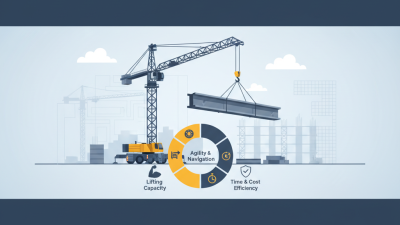
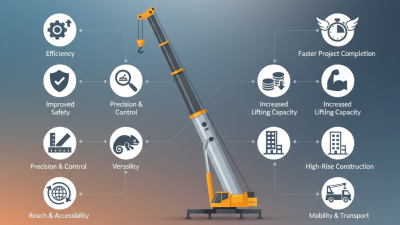
In construction, mobile boom cranes are invaluable for erecting buildings and infrastructure. They can easily navigate tight spaces. Their mobility allows for quick setups, which is crucial on busy job sites. In logistics, these cranes are used to load and unload cargo, making shipping more efficient. A study found that crane operations can reduce loading times by up to 30%.
However, challenges remain. Operators need to be skilled to ensure safety. Accidents can occur without proper training. A survey indicated that over 40% of crane accidents stem from operator error. This highlights the need for ongoing education and safety measures within the industry. Investing in training can mitigate risks and improve overall efficiency.