Why Rent a Mobile Crane for Your Construction Projects?
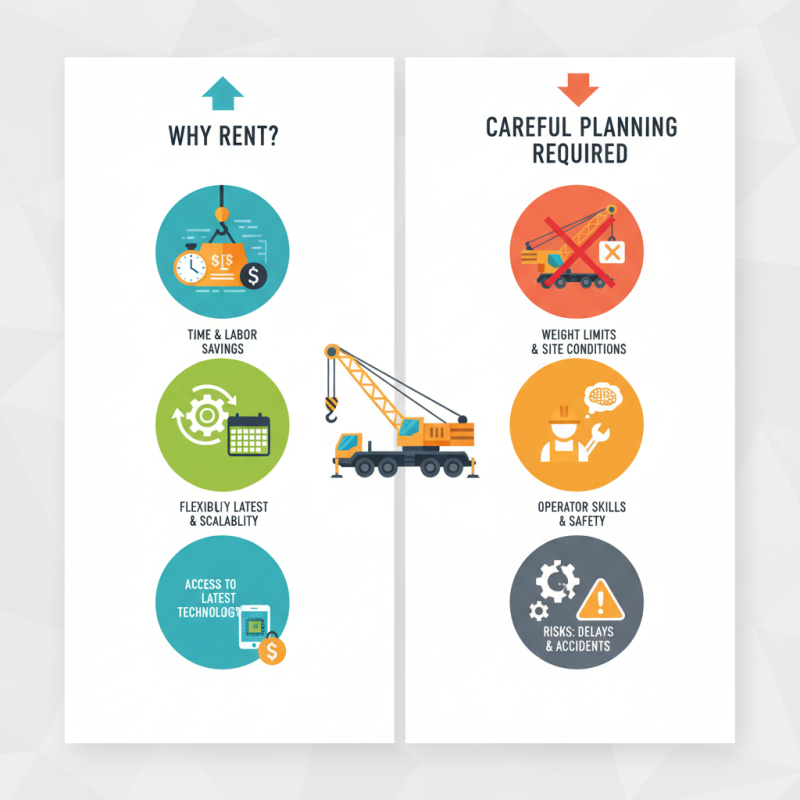
In the ever-evolving construction industry, efficiency is vital. A rental mobile crane can significantly enhance your project's capability. These cranes are versatile machines that lift heavy materials, saving both time and labor costs.
Choosing to rent instead of purchase offers flexibility. For one-time projects, buying a crane may not make sense. Renting allows you to access the latest technology without the financial commitment. Companies can scale their equipment use based on project needs, which is a practical approach.
However, relying on rental mobile cranes requires careful planning. You must consider factors such as weight limits, site conditions, and operator skills. While these cranes are essential, they need to be operated safely and effectively. Mistakes can lead to costly delays or accidents on site. Understanding these aspects is critical for project success and safety.
Benefits of Renting a Mobile Crane for Construction Projects
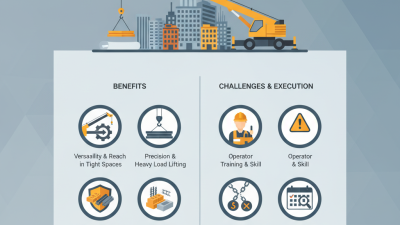
Renting a mobile crane for construction projects offers numerous benefits. One significant advantage is cost-efficiency. Owning a crane requires maintenance, insurance, and storage fees. Renting eliminates these ongoing expenses, allowing you to allocate resources more effectively.
Flexibility is another key benefit. Each construction project is unique. The crane you need for one job may not suit another. By renting, you can choose the specific crane that meets your project requirements without a long-term commitment. This adaptability can greatly enhance productivity on-site.
Tips: Always assess the project scope before selecting a crane. Consider height, weight capacity, and reach. Consulting with your team can lead to better decisions. Ensure you conduct a thorough inspection of the rental crane upon delivery. Look for any signs of wear or issues that could affect safety. Remember, safe operations should be your top priority.
Lastly, renting a mobile crane gives access to modern technology. Many newer models come equipped with advanced features like GPS and load monitoring systems. These can greatly improve safety and efficiency but require proper training to operate. Make sure your crew is well-trained to handle these machines effectively.
Cost-Effectiveness of Mobile Crane Rentals in Construction
Renting a mobile crane can significantly reduce your overall construction costs. Many projects require heavy lifting, and investing in a crane can be expensive. By renting, you save on upfront costs and maintenance fees. Cranes can sit idle, resulting in wasted resources. A rental offers flexibility. You pay only for the duration of use.
Operating a mobile crane also requires skilled operators. Hiring and training personnel adds to the costs. Rental services typically provide experienced operators. This can enhance safety and efficiency on-site. Using a crane without proper knowledge can lead to accidents. Renting brings peace of mind through professional support.
Construction timelines may vary. When projects lag, costs can soar. Renting a crane allows you to adapt to changing demands. You can scale up or down without long-term commitments. However, it’s essential to plan ahead. Underestimating your needs may lead to last-minute rushes and higher fees. Reflecting on project requirements is vital for optimal crane usage.
Flexibility and Versatility of Mobile Cranes for Various Tasks
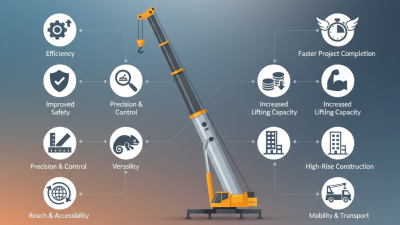
Mobile cranes are essential for modern construction. They offer unmatched flexibility and versatility. Projects often require moving heavy materials across challenging terrains. Mobile cranes adapt quickly to different site conditions. They can easily shift locations, saving time and costs.
According to industry reports, 75% of construction projects benefit from using mobile cranes. Their ability to handle various tasks is impressive. From lifting steel beams to clearing debris, mobile cranes do it all. They can extend their reach, lifting up to 30 tons in specific models. However, operators must be adequately trained to maximize safety and efficiency. A skilled operator can make the difference in tight schedules and complex lifts.
Despite their advantages, there are limitations. Not all mobile cranes can operate in all environments. For example, softer ground may hinder stability. Additionally, costs can add up if the crane is used improperly. Planning and expertise are essential for a successful deployment. Mistakes in choosing the right crane type can lead to delays and budget overruns. Understanding the specific needs of a project is critical.
Why Rent a Mobile Crane for Your Construction Projects?
| Aspect |
Details |
| Flexibility |
Mobile cranes can easily navigate and set up in various locations, making them suitable for diverse job sites. |
| Versatility |
They can be used for a range of applications, from lifting heavy materials to installing equipment and structures. |
| Cost-Effectiveness |
Renting reduces upfront capital costs and ongoing maintenance expenses associated with owning a crane. |
| Expertise |
Rental companies often provide trained operators, ensuring safety and efficiency on-site. |
| Adaptability |
Mobile cranes can be adapted with different attachments for specific tasks, enhancing functionality. |
| Safety Compliance |
Renting ensures access to up-to-date equipment that complies with the latest safety standards. |
Choosing the Right Mobile Crane for Your Construction Needs
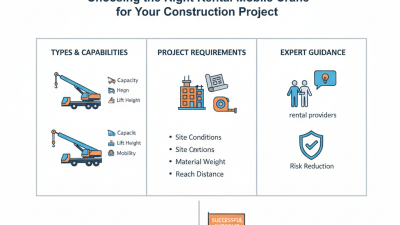
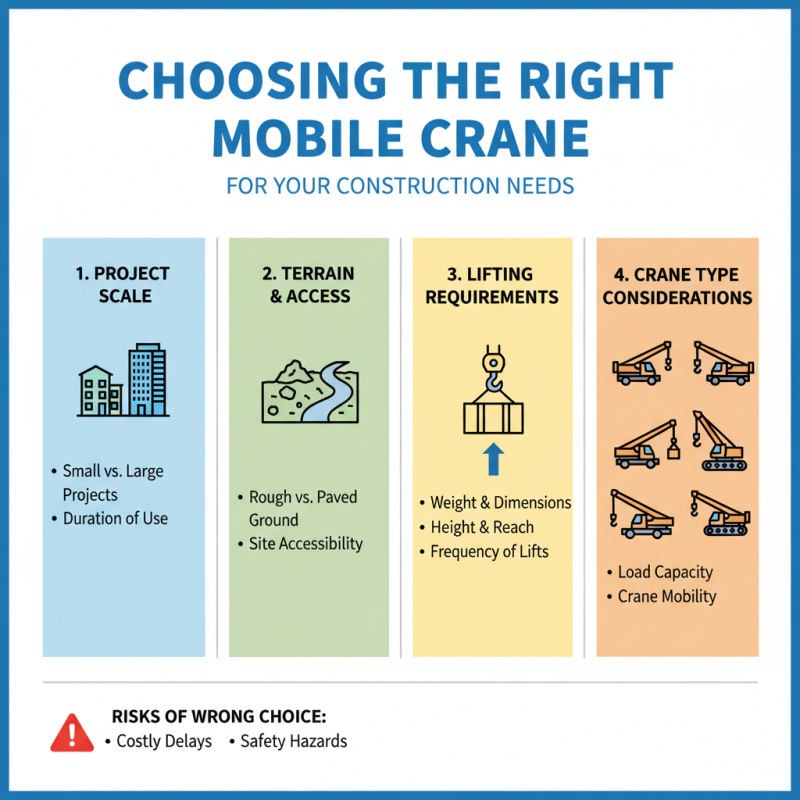
Choosing the right mobile crane for your construction project can be a daunting task. Several factors influence this choice, including the project scale, terrain, and specific lifting requirements. Assessing the weight and dimensions of materials is crucial. If a crane cannot handle the load, project timelines may suffer. Misjudging lifting needs can lead to costly delays and increased risks.
Understanding the types of cranes available is essential. Rough terrain models are ideal for uneven surfaces, while all-terrain cranes offer versatility. Each type has its own strengths and limitations. It’s important to consider where the crane will operate. If the site has restricted access, a smaller model may be necessary. Confusion can arise if operational zones are not clearly defined.
Professional guidance can help in making the right decision. Consulting with experts can prevent costly errors. Yet, relying solely on third-party opinions may not always guarantee success. Some details might be overlooked without proper site assessment. Engaging in a comprehensive evaluation of your needs is vital for ensuring safety and efficiency. Overall, a thoughtful selection process is key to navigating these complexities effectively.
Safety Considerations When Using Mobile Cranes on Site
When using mobile cranes on construction sites, safety cannot be compromised. Operators must ensure that the crane is operated by skilled professionals. Training and certification are vital to minimize accidents. Proper rigging techniques are also crucial. This ensures stability when lifting heavy loads. Regular maintenance checks can prevent mechanical failures, which could lead to dangerous situations.
Site assessment is another important factor. The ground must be stable enough to support the crane's weight. If the ground is soft or uneven, it could lead to tipping. Clear communication among the crew is essential for safe operation. Everyone should understand their roles during lifting operations. Unexpected distractions can result in serious injuries.
Awareness of the surrounding environment is necessary. Power lines, nearby structures, and weather conditions can all impact safety. Wind can sway loads, so it's important to assess conditions before lifting. Each construction site poses unique challenges. Evaluating risks ahead of time can save lives. While hiring a mobile crane offers flexibility, safety should never be an afterthought.