What is a small crane and how can it benefit your projects?
In the construction industry, a small crane can be a game-changer. Mark Anderson, a seasoned expert with over 15 years of experience, states, “Small cranes bring unmatched versatility to projects.” These machines are compact yet powerful, making them ideal for urban settings or areas with limited space. The convenience of a small crane can streamline operations, reduce labor fatigue, and enhance project efficiency.
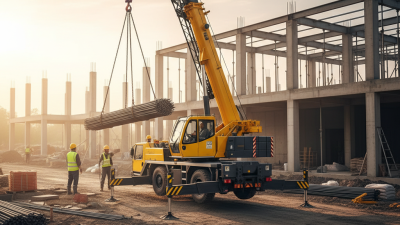
Imagine a construction site crowded with tight spaces. Here, a small crane easily maneuvers and lifts heavy materials. Its capacity to navigate these challenges allows for better project timelines and reduces potential delays. However, choosing the right small crane requires careful consideration. Not all projects will benefit equally from their use. It's essential to assess specific needs before investing in one.
Understanding when and how to utilize a small crane can transform a project. Inexperienced users might overlook safety protocols or underestimate lifting capacities, leading to costly errors. Evaluating risks and seeking expert guidance can mitigate these pitfalls. Integrating a small crane into your workflow could lead to greater productivity and success, but mindfulness of its limitations remains crucial.
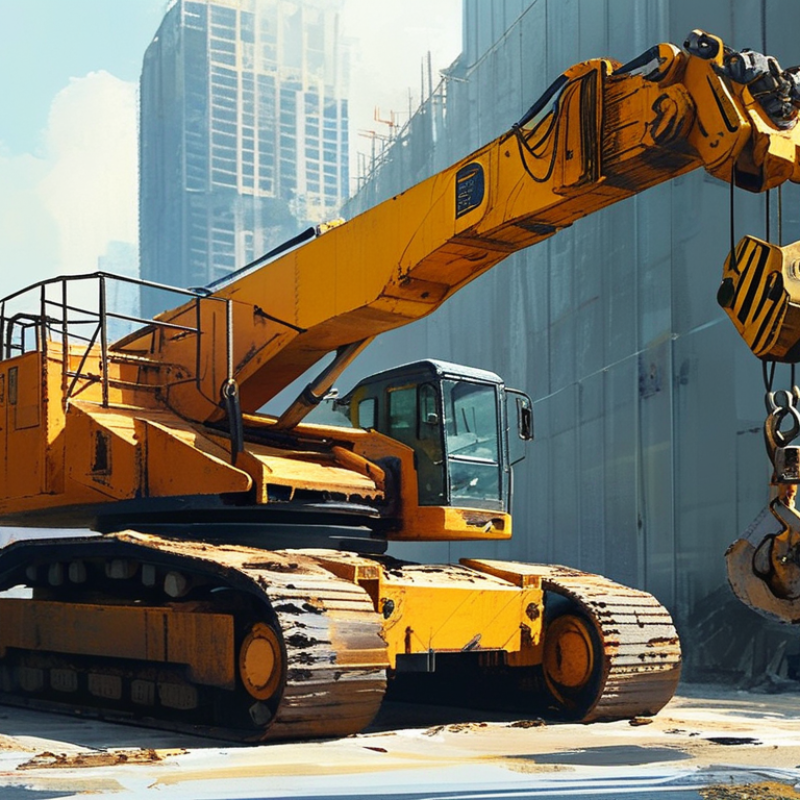
What is a Small Crane?
A small crane is a versatile piece of equipment commonly used in construction and lifting tasks. These cranes come in various types, including mobile, mini, and compact models. Each type has unique features tailored for specific jobs. They can lift heavy materials to considerable heights, making them invaluable in tight spaces.
The benefit of using a small crane lies in its efficiency. Projects often face space limitations. Traditional cranes may be too large to operate effectively. Small cranes are designed to maneuver in confined areas, which allows for greater flexibility on the job site. They also tend to have a lower operating cost compared to larger models.
However, it's essential to consider the specific needs of your project. Not all tasks require the power of a small crane. Misjudging weight capacity can lead to accidents. Proper training and understanding of the equipment are crucial. Careful assessment of the job site can help avoid potential challenges. Making informed decisions about equipment usage can enhance safety and productivity.
Types of Small Cranes Available in the Market
Small cranes are essential tools in various industries, providing efficiency and precision where larger cranes cannot. They are designed for restricted spaces, making them ideal for construction sites, warehouses, and urban environments. According to industry reports, small cranes can lift loads from 1 ton to 15 tons, depending on their type and design. This versatility allows for a wide range of applications, from lifting heavy materials to performing delicate positioning tasks.
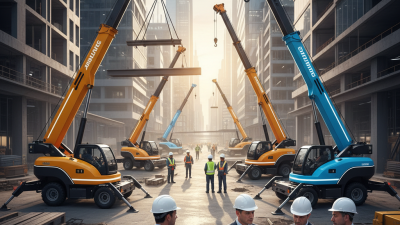
There are several types of small cranes available in the market. Mobile cranes, for example, offer flexibility and can be deployed on different terrains. Compact cranes are specifically engineered to maneuver through tight spaces and can be transported easily. Another type, the tracked crane, provides better stability on uneven ground. Regardless of type, each small crane offers unique benefits tailored to specific project requirements. A recent survey indicates that using small cranes can enhance productivity by up to 30%, underscoring their value in modern project management.
Nonetheless, selecting the right small crane can be challenging. Factors such as load capacity, boom length, and height restrictions must be considered. Companies may overlook crucial details, resulting in mismatched equipment for tasks. Understanding the specific needs of each project is vital to avoid such pitfalls. Using data and insights from expert analyses can significantly aid in making informed decisions. Proper training for operators can also mitigate risks and improve overall safety.
Key Benefits of Using Small Cranes for Projects
Small cranes, often used in tight spaces, offer significant benefits for various projects. They excel in environments where larger cranes cannot operate effectively. A report from the Construction Equipment Association highlights that 45% of construction sites face space limitations, making small cranes a practical choice. These cranes can handle loads ranging from 1 to 10 tons, versatile enough for small-scale construction, installation, and maintenance work.
One key advantage of small cranes is their mobility. Their compact design allows for easy transportation and setup. According to a study by the International Journal of Heavy Equipment and Cranes, projects report up to 30% time savings when utilizing small cranes in confined areas. This efficiency not only speeds up the workflow but also reduces labor costs. The ability to manipulate heavy materials in limited spaces enhances safety on-site, lowering the risk of accidents associated with larger machinery.
Despite their advantages, some projects may underestimate the capability of small cranes. It's essential to assess load requirements accurately. Sometimes, crews may find themselves needing a larger crane than anticipated, leading to delays. Additionally, training for operators is critical. Proper operation ensures that projects maximize the benefits of small cranes while minimizing the potential for mishaps.
Benefits of Using Small Cranes for Projects
Application Areas for Small Cranes in Construction
Small cranes play a vital role in various construction projects. They offer flexibility and efficiency in tight spaces. According to the International Crane Safety Council, over 50% of construction sites deal with limited access. In such scenarios, small cranes are invaluable. They can maneuver easily and lift loads up to 10 tons, making them ideal for urban environments.
In residential construction, small cranes excel at lifting heavy materials. They can transport items like beams and prefabricated panels to higher floors with precision. Research from the Construction Equipment Association indicates that using small cranes can reduce labor costs by up to 20%. This efficiency proves crucial, especially in time-sensitive projects. Additionally, they minimize the risk of accidents due to their precise handling capabilities.
The versatility of small cranes extends to renovation tasks as well. They assist in lifting heavy equipment, thereby enhancing workflow. However, improper use can lead to accidents, highlighting the need for trained operators. Statistics reveal that incidents can decrease by 30% with proper training. Thus, while small cranes offer numerous benefits, ensuring safety and training remains essential for optimal outcomes in construction projects.
Factors to Consider When Choosing a Small Crane
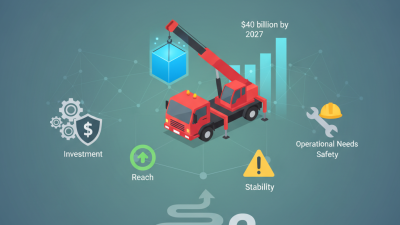
When selecting a small crane for your project, several key factors must be considered. First, the lifting capacity is crucial. Each project requires different load weights. Assessing the maximum weight the crane can handle is essential to ensure safety and efficiency.
Another important factor is the height and reach of the crane. Understand the physical constraints of your worksite. A crane with limited height may struggle in tight settings. Take into account the design of the job site and any nearby structures. Compact cranes may be beneficial in urban environments, allowing for flexibility.
The ease of transport and setup can greatly influence your choice. Some cranes require complex assembly, while others are ready to use quickly. This can affect project timelines. Maintenance needs can also vary greatly. It's wise to consider how often the crane will need service and what that entails. Balancing these factors helps make an informed decision, leading to a successful project outcome.