What is Stainless Bar Grating and Why is it Essential?
Stainless Bar Grating is a versatile and durable material commonly used in various industries. Its primary function is to provide safety and support in areas with heavy foot traffic or machinery. This grating features a series of parallel stainless steel bars, which create a strong and stable surface. The design allows for drainage and ventilation, which is essential in many applications.
The importance of Stainless Bar Grating cannot be overstated. It adds safety to workplaces, reducing slip and fall accidents. Its ability to withstand harsh environments makes it ideal for food processing and chemical plants. With a reliable life span, businesses can save on maintenance costs. However, selecting the right type can sometimes be challenging. Different projects require specific considerations regarding load capacity and spacing.
Understanding Stainless Bar Grating's properties is crucial for making informed decisions. Each project has unique requirements. Therefore, experts often recommend consulting with professionals before purchase. An informed choice can enhance the practical and aesthetic aspects of industrial layouts. This approach leads to safer, more functional spaces for everyone involved.
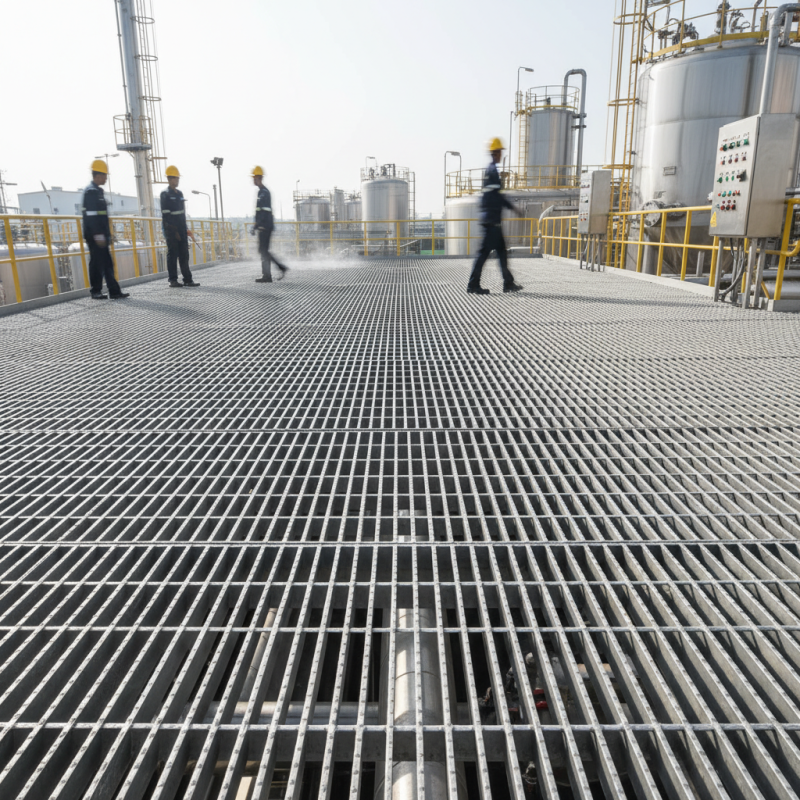
What is Stainless Bar Grating?
Stainless bar grating is a vital component in many industrial and architectural applications. It consists of stainless steel bars that are welded or clipped together, forming a strong and durable platform. This grating is designed for walkways, drainage covers, and load-bearing surfaces. Its strength comes from the material's inherent resistance to corrosion and rust, making it suited for outdoor and indoor use.
What sets stainless bar grating apart is its structural integrity. It can support heavy loads while allowing for water and debris to pass through easily. Engineers appreciate the lightweight nature of the grating. However, it can present challenges in specific applications, such as needing precise installation techniques. Installation errors can lead to excess strain or failure in load capacity, necessitating careful planning and execution.
Additionally, the aesthetics of stainless bar grating appeal to architects. Its sleek design complements modern structures. Yet, it can be more expensive than other materials. This cost factor requires thoughtful budgeting. It’s essential to balance the initial investment with long-term durability benefits. Understanding the unique features of stainless bar grating ensures informed decisions in construction projects.
The Composition and Characteristics of Stainless Bar Grating
Stainless bar grating is an effective solution in various construction and industrial applications. It is primarily composed of stainless steel, known for its resistance to corrosion and ability to withstand extreme conditions. The material is often chosen for its durability and longevity. These characteristics make it ideal for environments that face exposure to moisture, chemicals, or harsh weather.
The design of stainless bar grating allows for excellent load-bearing capabilities. The bars are arranged in a parallel configuration, creating open spaces that provide ventilation and drainage. This design reduces the likelihood of slippery surfaces and promotes safety. Additionally, stainless bar grating is lightweight, which facilitates easy installation and maintenance.
Tips: When selecting stainless bar grating, consider the load requirements and environment. Assess the space where it will be installed. Ensuring proper measurements can save time and reduce mistakes during installation.
While stainless bar grating offers many advantages, it is essential to contemplate its cost. In some cases, more affordable materials may seem appealing. However, investing in stainless grating often pays off in the long run. It is crucial to weigh the initial expense against potential maintenance and replacement costs.
Stainless Bar Grating Characteristics
This chart illustrates the key characteristics of stainless bar grating, including corrosion resistance, strength, weight, durability, and cost. Each characteristic is rated on a scale from 0 to 100, showcasing how essential stainless bar grating is for various applications.
Common Applications of Stainless Bar Grating
Stainless bar grating is widely used across various industries due to its strength and durability. Many facilities use it for walkways in manufacturing plants. It allows for easy drainage while providing a safe surface for foot traffic.
Tips: Ensure that the spacing between bars meets local safety regulations. Regular inspections can prevent accidents that arise from wear and tear.
In commercial kitchens, stainless bar grating serves as a reliable flooring option. Its resistance to corrosion and heat makes it ideal for high-temperature environments. It is also easy to clean, maintaining hygiene standards effectively.
Tips: Consider using slip-resistant options. Regular cleaning prevents buildup that can lead to slippery surfaces. Always check for stability to avoid hazards.
Stainless bar grating is also essential in wastewater treatment facilities. It helps in filtering and supporting various components of the system. Its strength withstands heavy loads from machinery, making it a reliable choice.
Tips: Look for coatings that enhance corrosion resistance. Proper installation is crucial for maximizing its lifespan and performance.
What is Stainless Bar Grating and Why is it Essential? - Common Applications of Stainless Bar Grating
| Application Area | Description | Benefits |
| Industrial Flooring | Used in manufacturing plants, warehouses, and factories for safe walking surfaces. | Durable, slip-resistant, and easy to clean. |
| Walkway Grating | Provides safe passages over areas where water or debris may fall. | Enhances safety, minimizes slips, and allows for drainage. |
| Platform and Stair Treads | Used for stairs and platforms to provide safety and visibility. | Robust support, visible edges for safety. |
| Trolley and Cart Tracks | Allows for safe movement of heavy equipment and goods. | Sturdy construction and efficient weight distribution. |
| Water Treatment Facilities | Installed in areas to filter debris from water systems. | Corrosion-resistant and long-lasting performance. |
Benefits of Using Stainless Bar Grating
Stainless bar grating is a robust flooring solution found in various industries. Its design consists of parallel bars, ensuring strength and durability. This material offers numerous benefits, making it essential in manufacturing, construction, and food processing sectors.
One significant benefit is its resistance to corrosion. Stainless steel can withstand harsh chemicals and extreme environments. This longevity reduces maintenance costs over time. Additionally, bar grating is slip-resistant, providing safety in wet or oily conditions. This quality protects workers and decreases accident rates on job sites.
Tips: When selecting stainless bar grating, consider load capacity. Ensure it meets your project’s specific requirements. Regular inspections can enhance its lifespan. Note that while the initial cost may be higher, the long-term savings are substantial. In some cases, it might feel over-engineered for light-duty applications. However, the peace of mind it provides often outweighs that concern.
Maintenance and Durability of Stainless Bar Grating
Stainless bar grating is known for its remarkable durability. This makes it a popular choice in various industrial applications. According to a report by the International Grating Association, stainless steel grating can last up to 30 years with proper maintenance. This longevity reduces the need for frequent replacements.
Maintenance of stainless bar grating is relatively simple. Regular cleaning helps prevent the buildup of grime and corrosive materials. A quarterly inspection is recommended to detect any damage. It is essential to address issues promptly. Ignored problems can lead to larger repairs and potential safety risks. Some studies indicate that 15% of stainless grating failures result from poor maintenance practices.
Furthermore, corrosion resistance is a significant factor. Stainless steel possesses a natural protective layer, which prolongs its lifespan. This feature is crucial in harsh environments, where exposure to chemicals can be severe. However, not all stainless steel grades offer the same level of protection. Operators need to understand the specific conditions of their environments. This knowledge ensures they choose the right material for optimal performance.