Top 10 Heavy Duty Crane Types for Construction Projects?
In the world of construction, choosing the right equipment is crucial. Heavy duty cranes play a pivotal role in large projects. According to industry expert John McAllister, “The right heavy duty crane can make all the difference in project efficiency.” McAllister emphasizes that selecting the appropriate crane type is not just about lifting capacity but also about safety and functionality.
Heavy duty cranes vary widely in design and application. From tower cranes to crawler cranes, each type has unique features suited for different environments. Construction managers must weigh the needs of their projects carefully. Factors like ground conditions, load types, and height requirements all influence crane selection. It’s not as straightforward as it seems.
However, there can be pitfalls in crane selection. Misjudging the load capacity or site conditions can lead to costly delays and safety hazards. It’s essential to engage with professionals who understand the complexities. A heavy duty crane is a significant investment that demands careful thought and planning for successful project execution. Engaging in discussions about your options can help uncover the best solutions.
Types of Cranes: An Overview of Heavy Duty Options in Construction
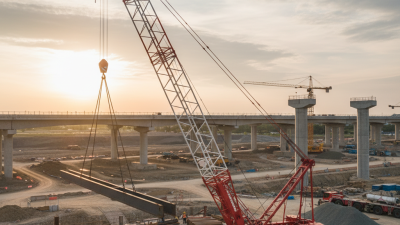
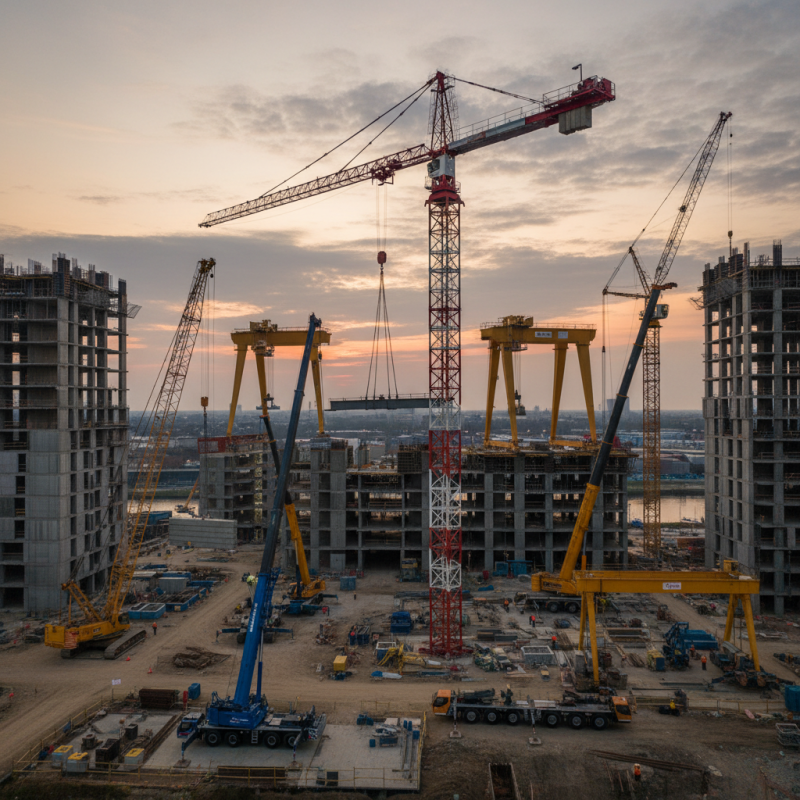
When it comes to heavy-duty cranes, selecting the right type is crucial for construction projects. Different crane types serve specific needs. Tower cranes are popular on skyscraper projects. They can lift heavy materials to great heights. Their reach and flexibility make them essential for urban construction.
Crawler cranes, with their tracked chassis, provide stability on uneven terrain. They excel in lifting heavy loads in areas where other cranes struggle. However, their mobility may be limited due to size. Mobile cranes, on the other hand, are more versatile. They can travel on public roads, providing quick setup for various locations.
Each crane type has its challenges. Operators need training to handle these machines safely. Regular maintenance is vital to ensure performance. While technology advances, reliance on skilled operators remains critical. Understanding crane capabilities will improve efficiency and safety at construction sites.
Top 10 Heavy Duty Crane Types for Construction Projects
| Crane Type |
Maximum Load Capacity |
Operating Radius |
Common Applications |
Mobility |
| Tower Crane |
18,000 kg |
70 m |
Skyscrapers, Large Building Sites |
Static |
| Mobile Crane |
40,000 kg |
50 m |
Construction Sites, Road Maintenance |
Mobile |
| Crawler Crane |
120,000 kg |
40 m |
Heavy Lifting, Mining Operations |
Mobile |
| Rough Terrain Crane |
30,000 kg |
30 m |
Off-road Construction, Oil Fields |
Mobile |
| Telescopic Crane |
25,000 kg |
42 m |
Construction, Aircraft Maintenance |
Mobile |
| Overhead Crane |
10,000 kg |
Variable |
Manufacturing, Warehousing |
Static |
| Giant Crane |
1,600,000 kg |
150 m |
Shipbuilding, Heavy Industry |
Static |
| Floating Crane |
60,000 kg |
50 m |
Marine Construction, Dredging |
Mobile |
| Articulated Crane |
20,000 kg |
30 m |
Industrial Applications, Logistics |
Mobile |
| Pick and Carry Crane |
10,000 kg |
20 m |
Construction Sites, Warehouses |
Mobile |
Understanding Load Capacities: Key Metrics for Crane Selection
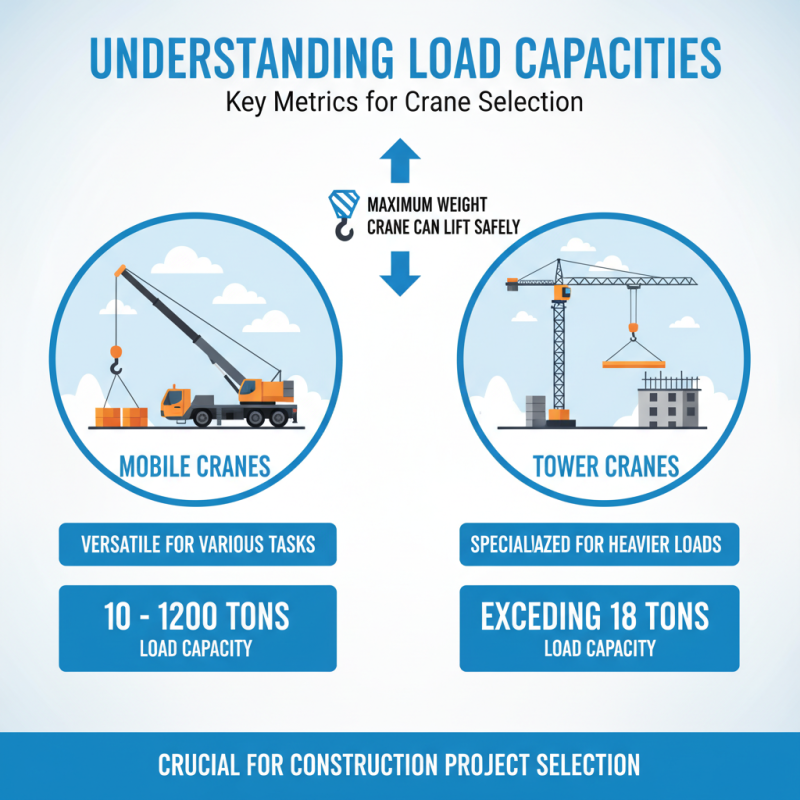
When selecting a suitable crane for construction projects, understanding load capacities is crucial. Load capacity refers to the maximum weight a crane can lift safely. This metric directly influences the choice of crane type. For instance, mobile cranes typically have capacities ranging from 10 to 1,200 tons, making them versatile for various tasks. In contrast, tower cranes are more specialized and can lift heavier loads, often exceeding 18 tons.
It is also essential to consider load charts, which provide a detailed overview of lifting capabilities. These charts display different configurations and the corresponding load limits. According to a report by the American Crane and Transport Association, operators must be well-versed in these details. Misinterpretation can lead to unsafe lifting practices. Factors such as boom length and angle significantly affect capacity. For example, with a longer boom, lifting capacity decreases.
Moreover, environmental conditions can impact load capacity. Wind speeds, ground stability, and terrain type are critical. A study from the International Journal of Heavy Equipment and Cranes highlighted that even experienced operators may overlook these factors. Therefore, continual training and reassessment of capabilities are necessary for ensuring safe operations. Operators should frequently review these metrics to reduce risks.
Mobile Cranes: Versatility and Applications in Heavy Lifting
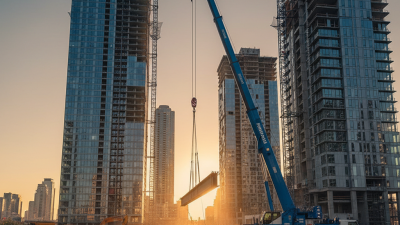
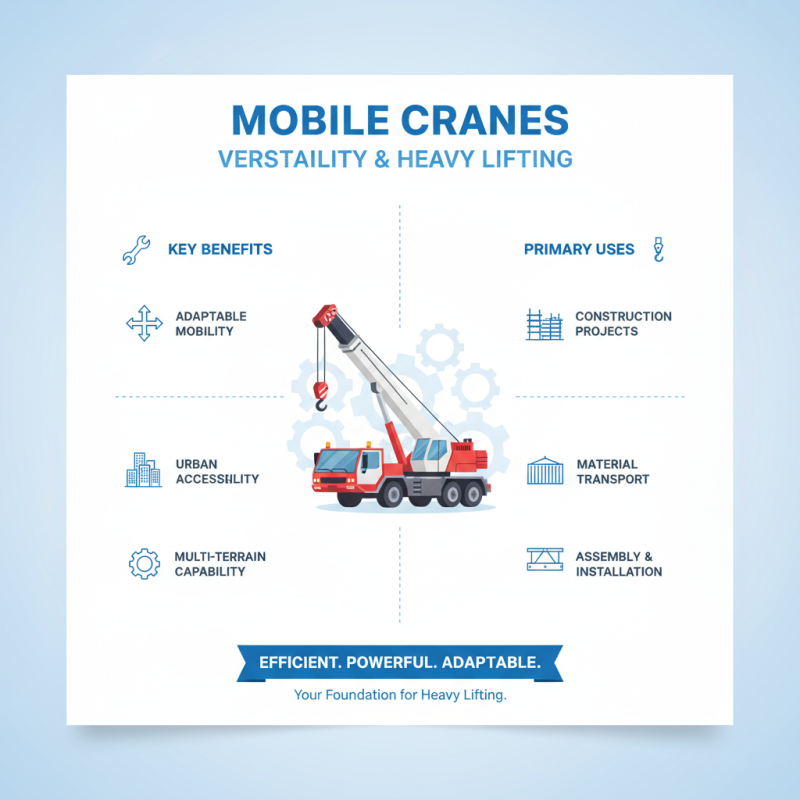
Mobile cranes are a popular choice in construction projects, primarily due to their versatility. These machines can maneuver easily on job sites, making them ideal for diverse lifting tasks. They are particularly useful in urban settings, where space is often limited. A mobile crane can adapt to various terrains, allowing construction teams to work efficiently.
Tips: Always verify the load capacity before operating. Misjudging the weight can lead to significant risks. Regular maintenance checks are crucial for safety and reliability.
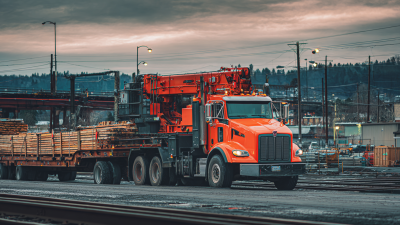
These cranes come in different types, such as truck-mounted and all-terrain. Each type serves specific needs. For example, truck-mounted cranes can travel quickly between sites, offering mobility on public roads. All-terrain cranes provide stability on uneven ground, which is a common challenge in construction.
Tips: Assess the site conditions beforehand. It’s important to choose the right crane type based on the landscape. Sometimes, a quick fix might lead to complications later. Always prioritize long-term safety.
Tower Cranes: Essential Features and Construction Site Utility
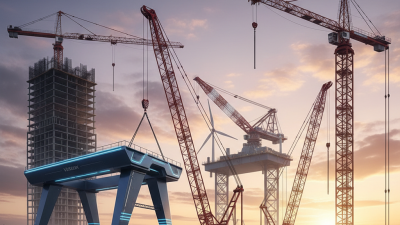
Tower cranes are a vital asset on construction sites. They are designed to lift heavy loads high above the ground, making them essential for building skyscrapers and large structures. These cranes can reach impressive heights and have a wide lifting radius. Their ability to rotate 360 degrees allows for maximum efficiency when moving materials.
One of the essential features of tower cranes is their strong vertical mast. This mast provides stability, which is crucial for safety. The crane's counterweight system adds balance, enabling it to handle heavy cargo without tipping over. Operators must be trained, as working with tower cranes requires precision and experience. The height and load limits can sometimes be challenging for even seasoned operators.
Yet, tower cranes also come with drawbacks. Their setup can be time-consuming and requires a significant investment in both machinery and training. Additionally, not all construction sites are suitable for these cranes. The need for a clear space around the crane can limit other site operations. This makes choosing the right time for operation important.
Crawler Cranes: Stability and Performance in Challenging Environments
Crawler cranes are essential for construction projects requiring stability and performance in challenging environments. Their design allows for steadiness on uneven terrain. Equipped with tracks instead of wheels, they distribute weight more evenly. This feature makes them ideal for soft ground conditions, where traditional cranes might struggle.
Operating a crawler crane effectively demands skilled operators. They must understand their machine’s capabilities and limitations. Misjudgments can lead to inefficiencies and potential hazards. Adapting to various conditions is crucial for success. Each environment presents unique challenges. Operators must remain vigilant and aware of their surroundings. A single oversight can compromise safety and project timelines.
Crawler cranes also face wear over time. Maintenance becomes essential to ensure reliability. Operators should perform regular inspections. Identifying issues early can prevent costly repairs later. Understanding these machines' intricacies enhances their operational effectiveness. The more experience the operators gain, the more proficient they become. A crane might excel in one scenario but falter in another. Continuous learning and adaptation are key to maximizing performance.
Top 10 Heavy Duty Crane Types for Construction Projects