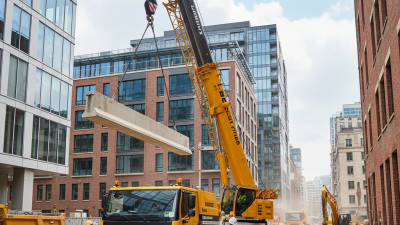
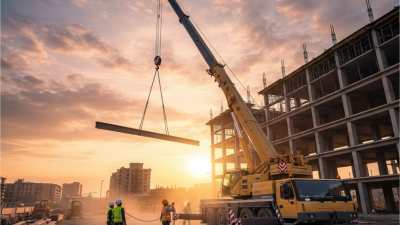
What Are the Top 10 Types of Mobile Cranes?

Choosing a mobile crane is not simply a matter of comparing lifting capacity. Ground conditions, road access, boom length, setup time, and transport costs can change the safest option. A compact carry-deck crane may work inside a factory, while a crawler crane may handle heavy loads on soft construction ground. The machine must fit the task, not merely look powerful.

Crane safety educator Debbie Dickinson has emphasized, “Safety is not a checklist; it is a culture.” That idea shapes this guide. Experienced teams inspect outriggers, confirm load charts, check overhead clearance, and communicate before lifting. Small details matter. A loose access route or uneven pavement can affect stability. Operator skill matters too, especially when wind pushes a suspended load sideways.

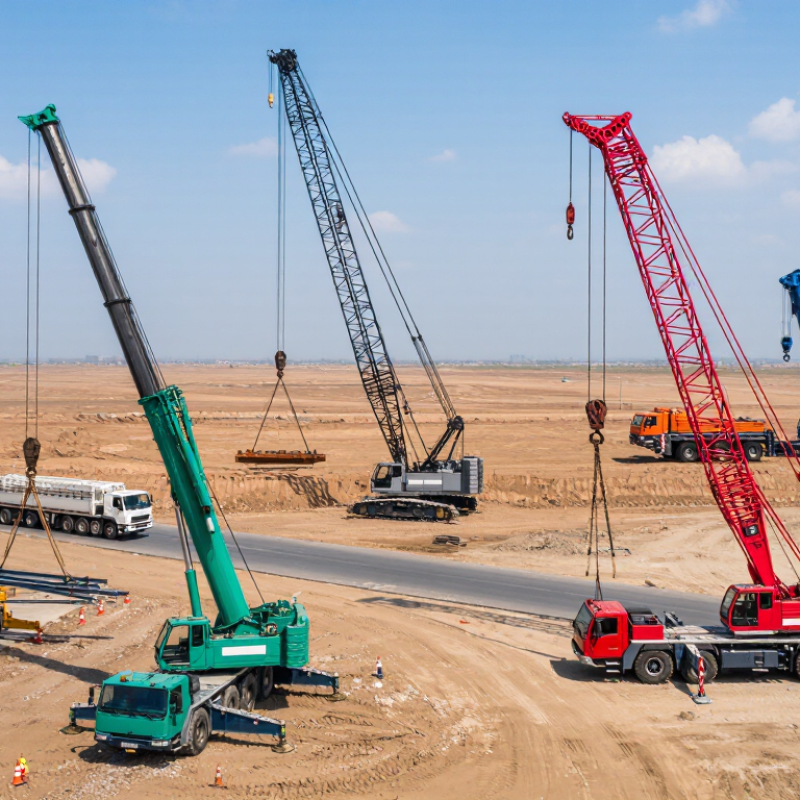
This article examines the top 10 types of mobile crane, including truck-mounted, rough-terrain, all-terrain, crawler, telescopic, and carry-deck models. Each section considers mobility, lifting range, working environment, and practical limitations. The list is useful, but no ranking is perfect. A rough-terrain crane may outperform an all-terrain model on a muddy site, yet lose efficiency on public roads. That difference is easy to overlook. Readers should compare manufacturer data, site conditions, and qualified lifting advice before choosing equipment. Even this introduction has a weakness: crane categories sometimes overlap across manufacturers. Clear terminology helps, but real projects remain more complicated.
What Are the Top 10 Types of Mobile Cranes?

What Is a Mobile Crane and How Does It Work?

A mobile crane is a lifting machine mounted on wheels or crawlers, so it can move between work areas. It raises loads with a boom, hoist rope, hook, hydraulic cylinders, and counterweights. The operator reads the load chart before lifting. This chart connects load weight, boom length, working radius, and lifting angle. Small errors can reduce capacity quickly.

Common types include truck-mounted, rough-terrain, all-terrain, crawler, carry-deck, knuckle-boom, pick-and-carry, spider, telescopic, and floating cranes. Each suits a different environment. A truck-mounted crane travels efficiently on roads. A rough-terrain model handles uneven ground. Crawler cranes spread weight across tracks. A spider crane fits through narrow entrances. Knuckle-boom cranes fold their booms for compact handling.

The lifting cycle begins with ground checks and machine positioning. Outriggers may extend to widen the support base. On soft soil, steel plates or engineered mats can reduce ground pressure. The boom then moves through controlled hydraulic pressure, while the hoist raises or lowers the load. Tag lines can limit unwanted rotation in wind. Never trust appearance alone. A load may seem light but contain hidden weight or shifting contents. In practice, the site is rarely perfect. Ground strength changes, wind rises, and communication can fail. That is why trained crews verify signals, exclusion zones, weather, and equipment condition before every lift. Even experienced teams can improve their planning.
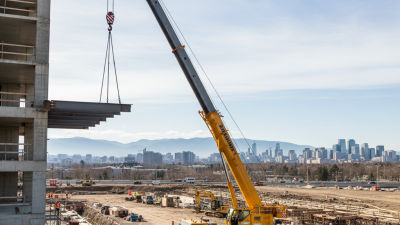
How Mobile Cranes Are Classified by Structure and Mobility

What Are the Top 10 Types of Mobile Cranes?

Mobile cranes are best classified by two traits: structural design and movement system. The ten common types include truck-mounted, rough-terrain, all-terrain, crawler, telescopic crawler, carry-deck, mini spider, loader, rail-mounted, and floating cranes. This grouping is more useful than ranking them by lifting capacity.

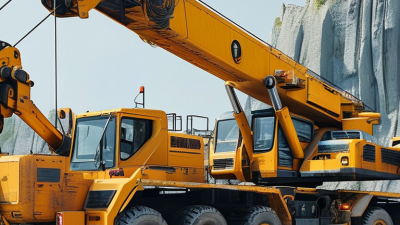
Wheeled cranes travel quickly between sites. Truck-mounted cranes use a road vehicle as their base, while rough-terrain models use compact frames and large tires for uneven ground. All-terrain cranes combine road speed with stronger off-road stability. Carry-deck cranes suit factories and tight yards. Loader cranes add a hydraulic boom to a transport vehicle. Mini spider cranes fit through narrow doors. Small details matter.

Tracked machines distribute weight through crawler tracks. Crawler cranes offer strong stability but usually need transport support. Telescopic crawlers improve setup speed. Rail-mounted cranes follow fixed tracks, and floating cranes work from barges or pontoons. Their mobility is specialized, not universal. The boundary is not perfectly clean.

Mordor Intelligence’s 2024 mobile crane market analysis estimates the sector at about USD 16.7 billion in 2024, with projected growth toward USD 22.3 billion by 2029. The report links demand to infrastructure, energy, and urban construction. Meanwhile, equipment safety guidance from the International Labour Organization stresses ground conditions, load charts, and trained operators. In practice, choosing a crane by reach alone is a weak decision. A narrow access road, soft soil, or repeated relocation can change the correct choice completely.

What Are the Top 10 Types of Mobile Cranes? - How Mobile Cranes Are Classified by Structure and Mobility

No. Mobile Crane Type Primary Structural Configuration Mobility and Travel Mode Stabilization Method Typical Rated Capacity Common Applications Main Advantages
1 Truck-Mounted Telescopic Crane Telescopic hydraulic boom mounted on a conventional road-truck chassis. Travels on public roads between sites; usually drives under its own power. Hydraulic outriggers are deployed during lifting. Approximately 10–100 tonnes General construction, utility work, equipment installation, and maintenance. Fast road travel, broad availability, and relatively simple site deployment.
2 All-Terrain Crane Multi-axle carrier with a telescopic boom, all-wheel steering, and an all-wheel-drive system. Road-capable and designed to move across uneven or partially prepared sites. Outriggers, with load charts based on outrigger position and working radius. Approximately 50–500 tonnes; larger units are available. Industrial projects, infrastructure construction, power facilities, and heavy erection work. Combines highway mobility with strong off-road performance and high lifting capacity.
3 Rough-Terrain Crane Compact four-wheel carrier with a telescopic boom and a high-clearance chassis. Moves on construction sites and unpaved terrain; generally transported between distant sites. Four hydraulic outriggers provide stability for lifting. Approximately 10–120 tonnes Building sites, oil and gas facilities, bridge work, and uneven industrial yards. Excellent maneuverability and ground clearance in confined, rough, or undeveloped areas.
4 Lattice-Boom Crawler Crane Crawler-mounted upperworks fitted with a modular lattice boom and optional jib sections. Travels on continuous crawler tracks and can move with a suspended load within approved limits. Wide crawler track footprint; normally does not require separate outriggers. Approximately 50–3,000+ tonnes Wind-energy components, bridges, refineries, shipyards, and major infrastructure. Very high capacity, long boom configurations, and strong stability on prepared ground.
5 Telescopic Crawler Crane Crawler undercarriage combined with a hydraulically telescoping boom. Tracks allow movement across sites and, on some models, limited pick-and-carry operation. Crawler tracks provide stability; some designs also use outriggers. Approximately 10–250 tonnes Urban construction, glass installation, landscaping, and projects with restricted access. Combines crawler mobility with fast boom length adjustment and compact transportation dimensions.
6 Carry Deck Crane Low-profile carrier with four-wheel steering and a compact telescopic boom mounted on a rotating deck. Self-propelled on smooth indoor or outdoor surfaces and designed for tight turning areas. Outriggers or stabilizers are commonly used for rated lifting operations. Approximately 1–15 tonnes Factory maintenance, plant construction, warehouses, and indoor industrial work. Compact dimensions, excellent maneuverability, and a low working height.
7 Truck-Loader Crane Articulated folding boom installed directly behind the cab or on the rear of a commercial truck. Uses the truck for road transport and can load, unload, and deliver materials in one operation. Fold-out outriggers support the truck during lifting. Approximately 1–30 tonnes Material delivery, roofing, construction supplies, landscaping, and municipal services. Reduces handling steps because the crane transports and places its own load.
8 Pick-and-Carry Crane Rubber-tired carrier with a compact telescopic boom and a rotating or partially rotating upper structure. Carries loads while traveling slowly on firm, level surfaces without being fully supported by outriggers. Stability is provided by the chassis and counterweight; load charts specify travel conditions. Approximately 1–40 tonnes Manufacturing plants, precast yards, warehouses, and repetitive material movement. Can pick up, transport, and position loads without repeated setup at every location.
9 Mini Crawler Crane Very compact crawler base with a small telescopic, articulated, or lattice boom. Moves on narrow crawler tracks and can access locations where larger cranes cannot operate. Crawler tracks, counterweights, and, on some models, deployable outriggers. Approximately 0.5–10 tonnes Indoor construction, glazing, rooftop work, heritage buildings, and landscaping. Low ground pressure, narrow access width, and suitability for sensitive or confined sites.
10 Railway Crane Rotating crane upperworks mounted on a rail-capable undercarriage, using a telescopic or lattice boom. Travels along railway tracks and is positioned within the rail corridor or at trackside work zones. Rail-mounted stabilizers, outriggers, or track-support systems are used during lifting. Approximately 10–250 tonnes Track construction, bridge maintenance, derailment recovery, and railway electrification. Provides lifting capability directly on railway infrastructure without requiring road access.

Note: Capacity figures are broad industry ranges intended for classification and comparison. Actual lifting capacity depends on boom length, working radius, counterweight, ground conditions, load chart limitations, and operating configuration.

Truck-Mounted, Crawler, and Rough-Terrain Mobile Cranes

What Are the Top 10 Types of Mobile Cranes?

Truck-Mounted, Crawler, and Rough-Terrain Mobile Cranes

Mobile cranes include truck-mounted, crawler, rough-terrain, all-terrain, telescopic, knuckle-boom, carry-deck, spider, floating, and railroad cranes. Each type suits different ground conditions, lifting distances, and transport needs. Truck-mounted cranes travel quickly between sites and work well on paved roads. Their hydraulic outriggers provide stability during lifting. Crawler cranes use tracked undercarriages, spreading weight across soft ground. They can lift heavy loads without outriggers, but transportation usually requires planning. Rough-terrain cranes handle uneven construction areas with large tires, compact frames, and strong ground clearance. They are useful around unfinished buildings and irregular access routes.

In practice, choosing a crane is rarely based on lifting capacity alone. Operators check load charts, boom radius, soil strength, wind conditions, and available setup space. A truck-mounted crane may reach several sites in one day, while a crawler crane may offer better stability for long-duration work. Rough-terrain cranes can turn within restricted areas, although their road travel is limited. Small details decide. I have seen project assumptions change after a site survey, especially when ground conditions were weaker than expected.

Tips: Confirm the total load, lifting radius, and attachment weight before selecting equipment. Inspect outriggers, tracks, tires, and hydraulic lines before operation. Keep a clear exclusion zone around the crane. Do not rely on appearance alone; a compact crane may still create substantial ground pressure. When conditions change, pause and reassess the lift plan. That extra check can prevent an expensive mistake.

All-Terrain, Carry-Deck, and Pick-and-Carry Cranes

What Are the Top 10 Types of Mobile Cranes?

Mobile cranes support lifting work where fixed equipment cannot easily reach. The ten common types include all-terrain, carry-deck, pick-and-carry, rough-terrain, crawler, truck-mounted, telescopic, lattice-boom, loader, and mini cranes. Each type serves different ground conditions, lifting distances, and transport needs.

All-terrain cranes combine road mobility with strong lifting performance on uneven sites. Their adjustable suspension and telescopic booms help crews position loads near buildings, bridges, and industrial areas.

Carry-deck cranes are smaller and more compact. They can move beneath structures and rotate within tight spaces.

Pick-and-carry cranes lift a load, travel with it, and place it without constant outriggers. This saves setup time, but stability still depends on load weight, travel speed, and surface condition.

Small errors matter. A wet patch can change the plan.

Tips: Check the load chart, boom length, and ground bearing capacity before lifting. Keep the load low during travel. Inspect tires, hooks, outriggers, and warning systems before each shift. A site supervisor should confirm clearances and communication methods. Never treat a compact crane as automatically safer. Its limited size can encourage rushed decisions. Controls may feel simple, yet accurate movement requires trained operators and repeated practice.

Loader, Floating, Side-Lifter, and Telescopic Cranes

The top 10 mobile crane types include loader, floating, side-lifter, telescopic, crawler, rough-terrain, truck-mounted, all-terrain, carry-deck, and articulated cranes. Loader cranes fit behind truck cabs and move pallets, steel beams, or generators without separate lifting equipment. Side-lifters use stabilised frames to load containers beside narrow roads. Their advantage is speed, but uneven ground can still create dangerous instability.

Telescopic cranes extend boom sections hydraulically, giving precise reach on construction sites, factories, and wind projects. Floating cranes operate from barges, lifting bridge sections, offshore equipment, and heavy modules over water. The Global Wind Energy Council reported 117 gigawatts of new wind capacity in 2023. That growth increases demand for transport and lifting systems, including larger telescopic and floating equipment. IRENA also recorded roughly 75 gigawatts of installed offshore wind capacity by the end of 2023. Yet reports rarely show real site conditions. Salt spray, waves, soft shoulders, and poor access can change a calculation quickly.

Tips: Check ground bearing pressure before positioning any crane. Confirm the load chart for the exact boom length, radius, and stabiliser setup. Inspect hydraulic lines, hooks, outriggers, and alarms before every shift. A loader crane may look compact, but a swinging load can reach pedestrians or overhead structures. Side-lifter operators should verify container weight and trailer alignment. Floating-crane planning needs weather limits, barge stability, and tidal data. I would not treat a market forecast as a site guarantee; field measurements deserve greater trust.