2025 Top 5 Heavy Duty Crane Models for Optimal Performance and Reliability
As industries around the globe continue to evolve and adapt to increasing demands for efficiency and productivity, the heavy duty crane sector remains at the forefront of construction and logistics innovation. According to a report by Allied Market Research, the global crane market is expected to reach $40.3 billion by 2027, driven primarily by an upswing in construction and manufacturing activities. In particular, heavy duty cranes are essential in lifting and maneuvering substantial loads in challenging environments, making their reliability and performance critical for operational success.
The heavy duty crane market is characterized by continuous advancements in technology, including enhanced lifting capacities, greater fuel efficiencies, and improved safety features. A recent industry analysis from Research and Markets highlights that the adoption of electric and hybrid cranes is on the rise, with a projected market growth rate of over 6% annually. This shift not only aligns with global sustainability initiatives but also prompts operators to seek out the most reliable models that can deliver optimal performance under demanding conditions. In this context, identifying the top models for 2025 is essential for industry stakeholders aiming to maintain competitive advantages while ensuring operational excellence.

The Evolution of Heavy Duty Crane Technology in 2025
The evolution of heavy duty crane technology in 2025 has marked a transformative era for the construction and logistics industries. As projects demand greater efficiency and safety, manufacturers have invested in innovative designs that leverage advanced materials and cutting-edge automation. The integration of artificial intelligence and machine learning into crane systems has enabled precise load handling and real-time data analytics, significantly enhancing operational reliability and reducing downtime.
Additionally, environmentally friendly technologies have taken center stage, with cranes designed to minimize carbon emissions and optimize energy consumption. These advancements include hybrid power systems and electrified models that not only comply with stricter regulations but also offer significant cost savings over time. The result is a new generation of heavy duty cranes that not only meet the rigorous demands of modern construction but also contribute to sustainable development goals, setting a benchmark for future innovations in the industry.
2025 Top 5 Heavy Duty Crane Models for Optimal Performance and Reliability
| Model |
Load Capacity (ton) |
Max Height (m) |
Max Reach (m) |
Weight (ton) |
Fuel Type |
| Model A |
100 |
45 |
30 |
50 |
Diesel |
| Model B |
120 |
50 |
35 |
55 |
Diesel |
| Model C |
90 |
48 |
28 |
45 |
Electric |
| Model D |
130 |
53 |
40 |
60 |
Diesel |
| Model E |
110 |
49 |
32 |
52 |
Electric |
Key Features to Look for in Top Heavy Duty Crane Models
When selecting a heavy-duty crane, certain key features are essential for ensuring optimal performance and reliability in demanding environments. First and foremost, a strong lifting capacity is critical; cranes that can handle a wide range of weights offer versatility for various industrial applications. Look for models equipped with advanced hoisting mechanisms that enhance efficiency and reduce cycle times, allowing for smooth lifting and lowering operations under heavy loads.
Another vital consideration is the crane's stability and safety features. Cranes should have robust outriggers and counterweights that prevent tipping, along with advanced safety systems such as overload protection and automatic leveling. Additionally, operator comfort and visibility are crucial; cranes equipped with ergonomic controls and spacious cabs help reduce fatigue and enhance focus, ultimately leading to safer and more efficient operations. Finally, pay attention to the crane's maintenance requirements; choosing a model with easy access to key components will simplify upkeep and prolong the equipment's lifespan.
Comparative Analysis of Performance Metrics Among Top Models
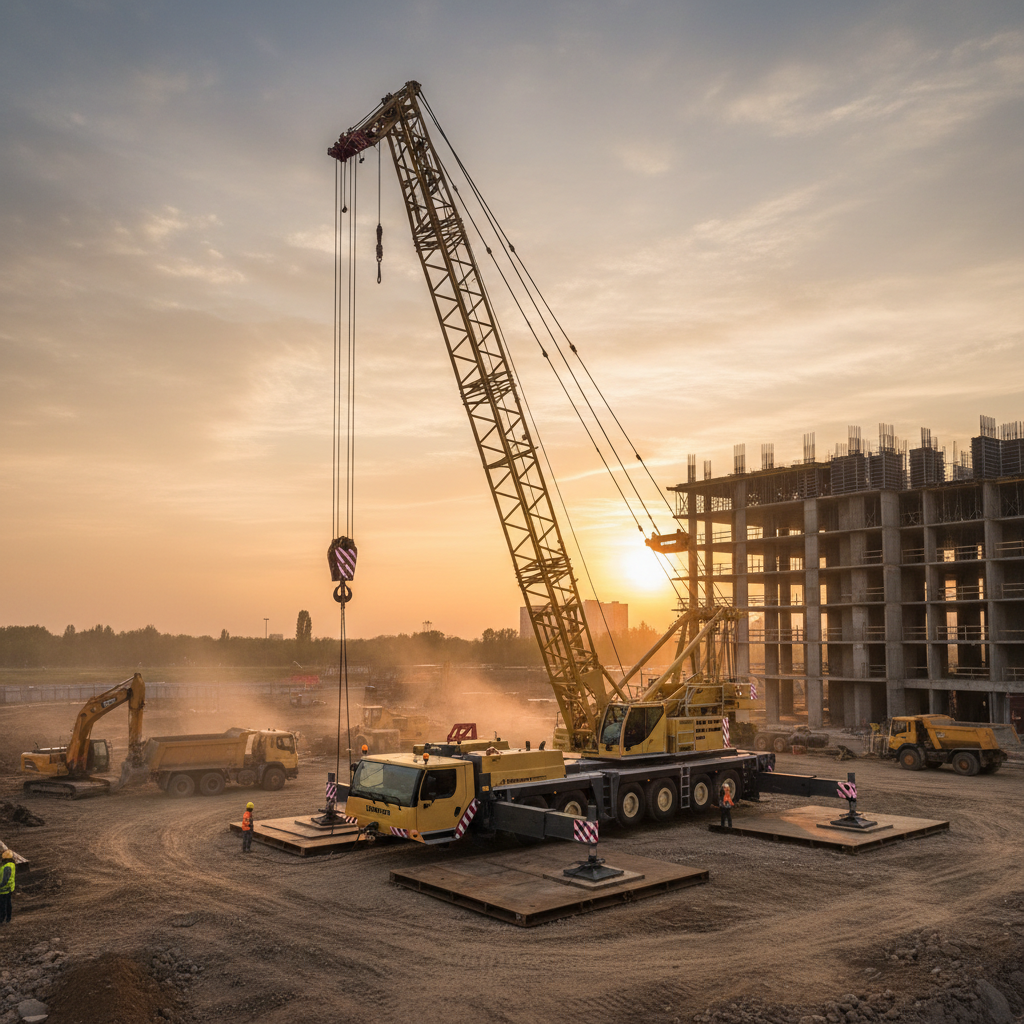
When evaluating the top heavy-duty crane models for 2025, performance metrics such as lifting capacity, speed, and fuel efficiency play pivotal roles in determining their reliability and effectiveness in demanding environments. The Liebherr LTM 1750-9.1, for instance, boasts an impressive lifting capacity of 750 tons, combined with advanced technology that enhances both operational speed and precision. This model not only reduces downtime but also optimizes workflow on construction sites, making it a favorite among industry professionals.
In contrast, the Terex AC 350/6 is notable for its superior maneuverability and compact design, ideal for projects with space constraints. Its ability to navigate tight areas while maintaining a strong lifting performance sets it apart from competitors. Performance analyses indicate that cranes with a balanced mix of power and adaptability, like the Terex model, tend to provide better longevity and reliability in various operational conditions. By comparing these performance metrics across the top models, operators can make informed decisions that align with their project requirements and enhance overall operational efficiency.
User Feedback and Reliability Ratings of Heavy Duty Cranes

When evaluating heavy-duty cranes for optimal performance and reliability in 2025, user feedback plays a pivotal role in guiding purchasing decisions. Operators and project managers consistently emphasize the importance of real-world reliability ratings, which highlight how well machinery performs under various conditions. Positive reviews often reflect cranes that not only meet but exceed expectations in terms of lifting capacity, speed of operation, and ease of maintenance. These factors greatly influence the overall efficiency of a construction site, making user testimonials incredibly valuable.
Moreover, reliability ratings from users contribute to a broader understanding of a crane's operational lifespan and durability. For instance, models that receive high ratings tend to showcase advanced engineering, robust materials, and innovative technologies designed to minimize downtime. Customer insights into specific aspects such as fuel efficiency, control systems, and service support further help prospective buyers make informed choices. As heavy-duty cranes evolve, the combination of user feedback and reliability assessments becomes indispensable for achieving optimal performance in demanding industrial environments.
Future Trends in Heavy Duty Crane Design and Functionality
The heavy-duty crane industry is poised for remarkable advancements, driven by emerging technologies and evolving demands. According to a report by Research and Markets, the global crane market is projected to reach $63.4 billion by 2025, with a significant portion of this growth attributed to innovations in design and functionality. Key trends include the integration of smart technologies, such as IoT sensors and predictive maintenance systems, which enhance operational efficiency and minimize downtime. These innovations enable cranes to communicate real-time data, allowing for proactive inspections and maintenance scheduling.
Another significant trend is the emphasis on environmental sustainability. The adoption of eco-friendly materials and energy-efficient designs aligns with global efforts to reduce carbon footprints. The specialized crane models, such as electric boom cranes and hybrid models, are increasingly gaining traction. According to a report from the Global Construction Insights Group, nearly 30% of new heavy-duty cranes are expected to be hybrid or electric by 2025, illustrating a shift toward greener alternatives in the industry. This focus not only ensures compliance with stricter emissions regulations but also lowers operating costs, ultimately fostering a more sustainable future for heavy-duty lifting solutions.
2025 Top 5 Heavy Duty Crane Models for Optimal Performance and Reliability