Top Road Machinery Suppliers in China for Global Buyers?
The global construction machinery market faces a rapid evolution, driven by increasing infrastructure demands. China stands at the forefront, hosting numerous road machinery suppliers. In 2023, the market volume for road machinery is projected to reach over $30 billion. This impressive figure highlights the importance of finding reliable partners in China.
Road machinery suppliers in China offer a wide range of innovative products, from paving machines to compactors. However, selecting the right supplier requires diligence. Reports indicate that quality control remains a vital issue. Buyers should prioritize suppliers with established reputations and industry certifications. This scrutiny can prevent future challenges, as even minor machinery failures can lead to significant delays and costs.
Understanding the competitive landscape is essential. Chinese suppliers are expanding globally, but not all meet international standards. A careful evaluation process is crucial. Potential buyers must engage directly with suppliers, seeking transparency in operations and quality assurance. By doing so, they can mitigate risks and form valuable partnerships in the global construction landscape.
Overview of Road Machinery Industry in China
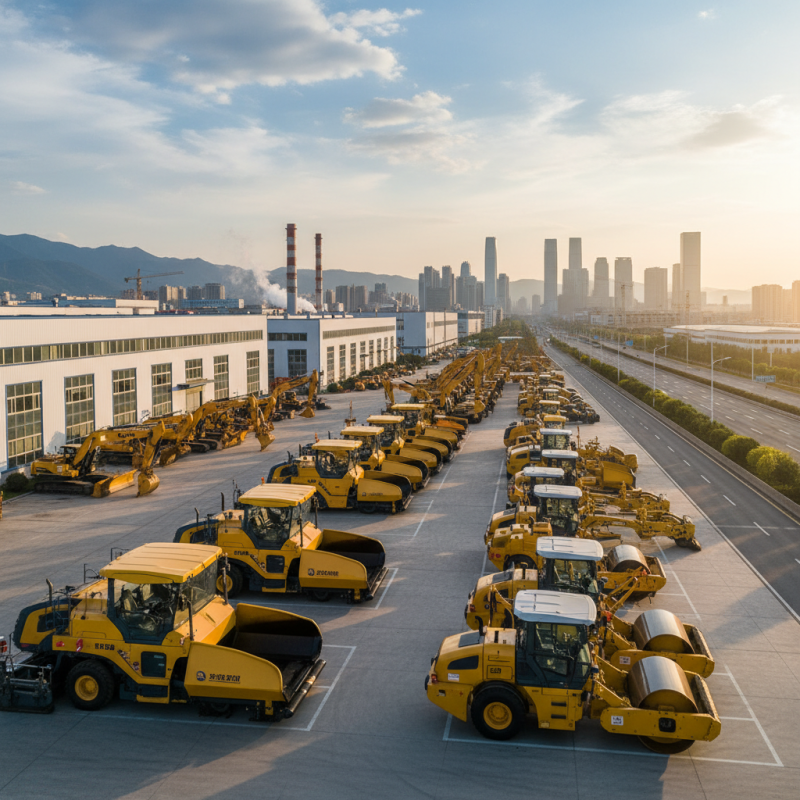
The road machinery industry in China plays a vital role in the global market. This sector includes a range of equipment for road construction, maintenance, and transportation. China’s producers are known for their innovative technologies and competitive pricing. However, the industry faces challenges, including environmental concerns and quality control issues. Manufacturers often need to improve their standards to meet international expectations.
Market demand for advanced road machinery is growing. Buyers seek durable and efficient products. Chinese suppliers are responding by investing in research and development. They aim to enhance their machinery’s performance and sustainability. Yet, the rapid expansion has led some companies to compromise quality for speed. Such lapses can impact long-term relationships with global customers.
Regulation and compliance are increasingly important. The industry is under pressure to adopt eco-friendly practices. Many companies are exploring greener technologies. However, not all suppliers have adapted successfully. This inconsistency can affect buyers’ trust and decision-making. As the road machinery landscape evolves, a focus on quality and sustainability will be essential for success.
Key Players in China's Road Machinery Market
China's road machinery market is dynamic and diverse. In 2022, the market size reached approximately $42 billion. This growth reflects the rapid expansion of infrastructure projects across the nation. Various factors drive demand, including urbanization, government spending, and the Belt and Road Initiative.
Key players in this sector include manufacturers of excavators, pavers, and road rollers. Many of these companies are investing heavily in research and development. Recent studies show that firms focusing on innovation outperform competitors. For instance, a report from an industry analyst emphasized that innovative products can boost market share by up to 25%. However, challenges remain. Supply chain disruptions and fluctuating raw material prices pose risks to production efficiency.
The competitive landscape features both domestic and international players. Local firms are gaining ground by offering cost-effective solutions. Some international brands struggle with adapting to local market needs. Understanding regional preferences is crucial. Observations indicate a growing preference for eco-friendly machinery. Companies lagging in this area may face declining sales. The road machinery sector in China is evolving rapidly, pushing all stakeholders to reflect on their strategies and adapt.
Criteria for Evaluating Road Machinery Suppliers
When evaluating road machinery suppliers in China, buyers should focus on several key criteria. Quality and durability are paramount. A reputable supplier must offer products that withstand heavy usage and varying weather conditions. According to a recent industry report, 70% of machinery failures are linked to quality issues. This emphasizes the importance of selecting reliable suppliers.
Next, consider the range of machinery offered. Suppliers should provide an extensive selection that meets diverse project needs. A study highlighted that companies with versatile machinery options achieve 30% higher project efficiency. This versatility can make a significant difference in project timelines and costs.
Tips: Always request certifications and quality assurance documents from suppliers. Investigate reviews and testimonials for unbiased assessments. Additionally, it's wise to assess after-sales support and service capabilities. Many buyers overlook these factors, leading to difficulties post-purchase. Remember that the lowest price may not indicate the best value. Prioritizing long-term reliability can save costs in the future.
Top Road Machinery Suppliers for Global Buyers
When discussing top road machinery suppliers for global buyers, China stands out. Industry reports indicate that China's construction machinery market was valued at over 14 billion USD in 2022. This growth reflects the rise of innovative manufacturing techniques and improved product reliability. Importantly, buyers should assess suppliers' experiences and client feedback. Lack of transparent feedback can hinder trust.
Notably, the demand for advanced road machinery is increasing. According to analysts, global infrastructure investments are projected to reach 7.5 trillion USD by 2030. The road construction segment alone is expected to grow significantly, driven by urbanization and economic development. Suppliers must adapt to these trends.
Buyers often face challenges evaluating quality and sourcing effectively. Many suppliers provide extensive product catalogs but lack clear specifications. Transparency in communication is crucial. Assessing local supplier certifications can also provide insights into machinery reliability. Seeking reviews or testimonials is essential but may not always be available. Overall, understanding market dynamics remains vital for making informed procurement decisions.
Top Road Machinery Products Market Share
Future Trends in China's Road Machinery Supply Chain
The road machinery supply chain in China is evolving rapidly. As demand for construction increases, so does the need for innovative machinery. Chinese manufacturers are embracing automation and smart technology. This shift helps streamline production processes and enhances efficiency. However, the integration of these advanced technologies must be carefully managed to ensure quality and reliability.
Sustainability is another critical focus. Manufacturers face pressure to reduce carbon footprints. Many are investing in eco-friendly machinery. This transition poses challenges, including higher costs and complex supply chains. Designers must balance environmental goals with consumer needs. Emerging materials and recycling methods are now under exploration.
Additionally, international collaboration is essential. Chinese manufacturers must navigate global trade dynamics. They need to ensure compliance with various regulations. This can be a roadblock for some suppliers. Continuous innovation and adaptation are paramount for long-term success in this competitive landscape.