Top 10 Small Truck Crane Models Buyers Should Consider?
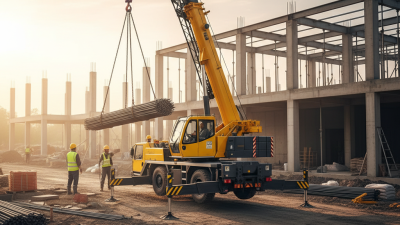
When considering a small truck crane, buyers face numerous options. These machines are crucial in tight spaces and urban environments. A small truck crane offers versatility and efficiency, making it a valuable asset for construction projects.
In this guide, we explore ten small truck crane models worth your attention. Each model brings unique features and capabilities. Understanding their specifications helps buyers choose the right fit for their needs. The right small truck crane enhances productivity while navigating limited job sites.
However, selecting the perfect model isn’t easy. With so many options, buyers may feel overwhelmed. This overview aims to simplify that process. We’ll discuss essential factors like lifting capacity, stability, and maneuverability. Embracing this knowledge can lead to better project outcomes.
Top 10 Small Truck Crane Models for Efficient Urban Logistics
When it comes to urban logistics, selecting the right small truck crane can significantly enhance efficiency. These cranes are essential for navigating tight city spaces while lifting heavy loads. Each model varies in capacity, height, and functionality, catering to different logistics needs. Efficiency depends not just on the crane's power but also on its ergonomics and ease of maneuvering.
Tip: Consider the truck crane's weight and dimension. A lighter crane can improve fuel efficiency and reduce wear on urban roads. Look for models that offer 360-degree rotation. It enables precise lifting in confined areas, a crucial aspect of urban work.
Many buyers overlook maintenance needs. Regular inspections are vital for safety and prolonged use. Look for cranes with easily accessible components for quicker repairs. Models designed for urban settings often have compact features but may compromise on load limits. Balancing size with capability can be tricky.
Tip: Analyze job requirements thoroughly. Assess the type of materials and average load weights. This approach allows for informed decisions on the right model for urban challenges. Long-term reliability should never be sacrificed for short-term gains. Addressing these factors ensures that the chosen crane meets your operational needs effectively.
Key Specifications and Features of Leading Small Truck Cranes
When considering small truck cranes, it's essential to evaluate their key specifications and features. These cranes are typically designed for versatility and easy maneuverability. A lifting capacity between 10 to 20 tons is common. This range meets the needs of small to medium-sized construction projects. The compact design allows for access in tight spaces. Many models have a boom length of around 15 to 20 meters, providing a good reach for various tasks.
Another critical feature is the crane's weight and stability. A well-balanced crane is crucial for safe operations. Operators should ensure the crane has a low center of gravity and a wide stance. Hydraulic systems are often preferred for their efficiency and control. Some models also come equipped with advanced safety features, such as overload protection and automatic leveling. These aspects help enhance reliability during operation.
However, selecting the right model can be challenging. Each unit has specific lifting heights and environmental adaptability. Users must consider local terrain and climate conditions. It's worth reflecting on the balance between capacity and size. An overly powerful crane may lead to maneuverability issues in limited spaces. Proper training for operators is also essential to ensure safe usage and maintenance.
Top 10 Small Truck Crane Models Buyers Should Consider
| Model |
Max Load Capacity (tons) |
Max Boom Length (ft) |
Weight (lbs) |
Dimensions (L x W x H, ft) |
Engine Power (HP) |
| Model A |
5 |
30 |
9000 |
20 x 7 x 8 |
135 |
| Model B |
6 |
28 |
8500 |
21 x 7.5 x 8.5 |
140 |
| Model C |
8 |
35 |
11000 |
22 x 8 x 9 |
160 |
| Model D |
4 |
25 |
7800 |
19 x 6.5 x 7.5 |
120 |
| Model E |
7 |
30 |
9600 |
20.5 x 7 x 8 |
145 |
| Model F |
10 |
40 |
11500 |
23 x 8.5 x 10 |
180 |
| Model G |
9 |
32 |
10500 |
22 x 8 x 9.5 |
170 |
| Model H |
5 |
28 |
9200 |
21 x 7.5 x 8.5 |
130 |
| Model I |
12 |
42 |
12000 |
24 x 9 x 10 |
200 |
| Model J |
11 |
36 |
11000 |
23 x 8.5 x 9 |
190 |
Market Trends: Demand for Compact Cranes in Construction and Freight Sectors
The demand for compact cranes is rising. This trend is evident in the construction and freight sectors, where space often comes at a premium. Small truck cranes are being favored due to their versatility and mobility. These cranes can navigate tight areas, making them ideal for urban work sites. Their ability to haul heavy loads while taking up minimal space is invaluable.
Increased efficiency is a driving force behind this shift. Workers can complete tasks quicker, reducing downtime. However, not all compact cranes are created equal. Buyers must consider various factors like lifting capacity, reach, and stability. Some smaller models may lack the power required for heavier loads. It's crucial for buyers to evaluate real-world applications and not just theoretical specs.
Market trends show a growing preference for user-friendly features. Cranes equipped with advanced controls and safety measures are in high demand. This shift, however, raises questions about operator training. As technology advances, ensuring operators are skilled remains a challenge. Ensuring safety while boosting productivity is a task that needs ongoing reflection in the industry.
Top 10 Small Truck Crane Models - Market Trends
Safety Standards and Regulations for Small Truck Cranes in Operation
Safety is paramount when operating small truck cranes.
Compliance with safety standards ensures the well-being of operators and bystanders.
The American National Standards Institute (ANSI) outlines guidelines that set the framework for equipment operation and maintenance to minimize risks.
Manufacturers and operators must stay updated on regulations from OSHA and local authorities.
These regulations cover equipment inspections, operator training, and load limits.
Understanding load charts is critical.
Each crane model has specific load ratings, which indicate its lifting capacity at various boom angles.
Operators should carefully review these charts before each use to avoid tipping or mechanical failure.
Inadequate training can lead to miscalculations, causing accidents.
Emergency procedures should be part of regular training sessions.
Tips: Regularly inspect crane conditions and familiarizing operators with safety protocols can significantly reduce the likelihood of accidents.
Always keep clear communication with ground crew to ensure safe operations.
Remember that even experienced operators can make errors; continuous training and assessments are vital.
Regular drills help reinforce safety standards.
Comparative Analysis of Price and Performance Among Top Crane Models
When choosing a small truck crane, it’s vital to evaluate both price and performance. Different models offer unique features suited for various tasks. Buyers should focus on payload capacity, lift height, and operating range. Consider how these features align with your specific needs. A crane that excels in one area may fall short in another.
Price comparisons can be tricky. While some models appear affordable, hidden maintenance costs can add up. Understanding total cost of ownership is essential. Conduct thorough research on operating costs, including fuel efficiency, warranty, and parts availability. This ensures the crane remains cost-effective over time.
Tip: Always request detailed specifications from dealers. Comparing them side by side can reveal strengths and weaknesses.
Another consideration is the ease of operation. Some models are more user-friendly, while others may require advanced training. This can impact overall productivity.
Tip: Test drive selected cranes before making a final decision. A hands-on experience provides insight into comfort and handling.
Balancing performance with budget is challenging. Buyers often find themselves compromising one for the other. Reflect on what truly matters for your business to make an informed choice.