Top 10 Types of Construction Cranes You Should Know?
Construction cranes are vital in the building industry. They move heavy materials on job sites, ensuring efficiency and safety. According to a report by Smith & Associates, the construction crane market is projected to reach $15 billion by 2027. This growth highlights the increasing need for various types of cranes in modern construction.
Different types of construction cranes serve unique functions. Tower cranes are often seen in urban development, while crawler cranes excel in rough terrain. A study by the National Institute of Occupational Safety and Health (NIOSH) indicates that understanding crane types can significantly reduce workplace accidents. Proper crane operation is essential for safety.
Yet, many workers lack training on construction cranes. This gap can lead to serious risks on site. Investing in education and training is crucial. As the industry evolves, so do crane technologies. This presents both challenges and opportunities for construction professionals. A reliable grasp of crane types and their applications is vital for successful projects.
Overview of Construction Cranes and Their Importance
Construction cranes are essential for large-scale projects. They enable the lifting and moving of heavy materials. According to the Crane Manufacturers Association of America, the crane industry contributes over $12 billion annually to the economy. This figure highlights the importance of cranes in construction processes.
When selecting the right crane, consider the project's scale and the materials involved. For instance, tower cranes are ideal for tall buildings, while crawler cranes are great for uneven terrain. Understanding these dynamics can enhance efficiency.
**Tip:** Always evaluate the load capacity before operating any crane. It's crucial to adhere to safety guidelines to avoid accidents. Regular maintenance checks are vital as well. They ensure that these machines function smoothly at all times. Even small oversights can lead to significant issues on-site.
Different Types of Construction Cranes and Their Functions
Construction cranes are essential for various projects. They come in different types, each designed for specific tasks. Understanding these cranes helps improve safety and efficiency on job sites.
The tower crane is one of the most recognized types. It provides height and stability. Often found in urban constructions, it can lift heavy loads to great heights. Next is the mobile crane, which offers versatility. It can move easily and is ideal for smaller sites. Operators can set it up quickly.
Some cranes, like the gantry crane, are used in shipyards. They support heavy loads with minimal space. Then there’s the crawler crane. Its tracks allow it to navigate rough terrain. This type is useful in remote areas with challenging conditions. Each crane has unique features, making certain jobs more efficient. However, choosing the right crane requires careful consideration of the site requirements and load specifications. Mistakes can lead to delays and increased costs.
Top 10 Types of Construction Cranes You Should Know
| Cranes Type |
Function |
Maximum Load Capacity |
Height |
Mobility |
| Tower Crane |
Used for tall buildings. |
20 tons |
Up to 250 ft |
Static |
| Mobile Crane |
Versatile for different sites. |
40 tons |
50 ft |
Mobile |
| Crawler Crane |
Excellent stability on uneven ground. |
100 tons |
150 ft |
Mobile |
| Rough Terrain Crane |
Designed for off-road applications. |
30 tons |
40 ft |
Mobile |
| Overhead Crane |
Used in warehouses and factories. |
15 tons |
Variable |
Static |
| Piller Crane |
Used for heavy loads in workshop. |
20 tons |
40 ft |
Static |
| Floating Crane |
Used in marine construction. |
180 tons |
N/A |
Static |
| Articulated Crane |
Highly maneuverable in tight spaces. |
25 tons |
60 ft |
Mobile |
| Suspended Crane |
Used for lifting heavy equipment. |
35 tons |
Varied |
Static |
Key Features and Specifications of Various Crane Types
When it comes to construction, cranes are vital. Each type serves a unique purpose. Understanding their features can help you choose the right one.
Tower cranes are common on large construction sites. They are known for their height and lifting capabilities. These cranes have a fixed base and can reach great heights, making them suitable for skyscrapers. Their rotating arm can extend over a wide area, enhancing their efficiency.
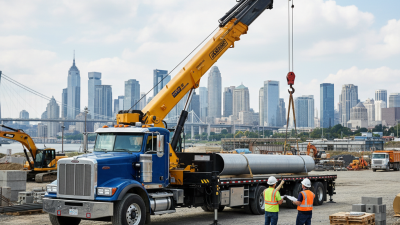
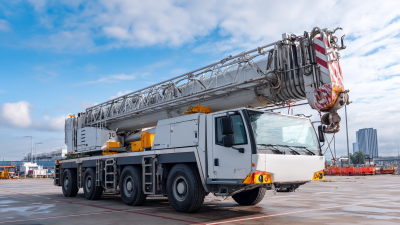
Mobile cranes offer flexibility. They can move from site to site and adapt to various tasks. These cranes are mounted on trucks, allowing easy transport. Hydraulics play a crucial role, enabling smooth operations. This type is ideal for projects requiring mobility.
Avoiding common pitfalls is essential. Always assess ground conditions before placing a crane. A strong foundation ensures safety and stability. Use load charts to avoid overloading. Overestimating a crane's capabilities can lead to accidents.
When selecting a crane, consider your project's specific needs. Analyze the weight and dimensions of materials. Some cranes excel in lifting heavy loads, while others are better suited for height. Identify your requirements for a successful operation.
Safety Considerations When Operating Construction Cranes
When operating construction cranes, safety is paramount. The U.S. Bureau of Labor Statistics reports that crane-related incidents account for a significant portion of construction accidents. Over 200 fatalities occur annually due to crane-related mishaps, highlighting the importance of proper training and safety protocols. Workers must understand the correct operation of cranes, including recognizing load limits and understanding site conditions.
Communication plays a critical role in crane operations. Workers should always use clear signals, ensuring everyone on site is aware of the crane's movements. A study by the National Institute for Occupational Safety and Health found that improper signaling contributes to many crane accidents. Implementing a buddy system for signalers can enhance safety and prevent accidents.
Tips: Regular safety audits are essential. Inspect cranes daily before use to identify worn cables or malfunctions. Training sessions must be frequent and thorough. Additionally, understanding weather conditions is crucial, as high winds can destabilize cranes. Building a culture of safety can greatly reduce risks and enhance the well-being of workers.
Future Trends in Construction Crane Technology and Usage
The construction industry is rapidly evolving. One significant trend is the integration of advanced technology in crane operations. The use of artificial intelligence (AI) is on the rise. AI can enhance operational efficiency and improve safety standards. It enables real-time monitoring of crane movements, reducing the risk of accidents.
Automation is another area to watch. Remote-controlled cranes are becoming common. These cranes can operate in hazardous environments. This minimizes the risk for human operators. However, there is concern about job displacement. Training will be crucial as the technology evolves. Workers must adapt to new skills to remain relevant in the industry.
Sustainability is also shaping crane technology. Manufacturers are designing cranes that consume less fuel and produce fewer emissions. Electric-powered cranes are gaining traction. They offer a cleaner alternative to traditional models. Still, the challenge lies in battery life and power limitations. Industry experts are exploring solutions to these issues. Overall, these trends aim for greater efficiency and reduced environmental impact.
Top 10 Types of Construction Cranes You Should Know