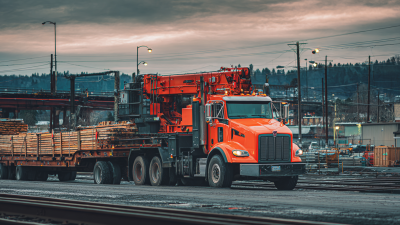
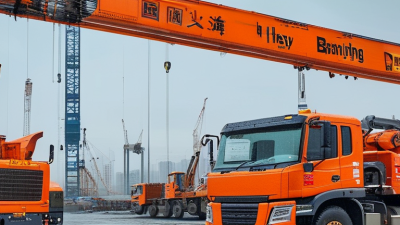
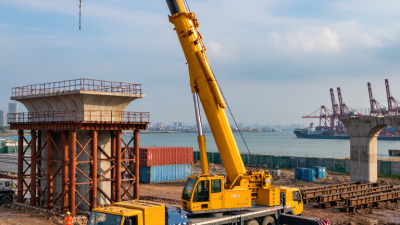
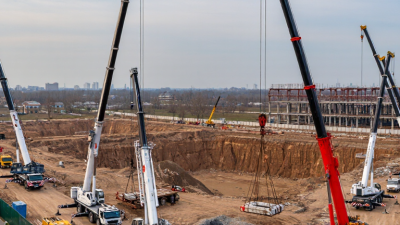
Choosing the right mobile boom crane begins with the worksite, not the brochure. A crane that looks powerful on paper may struggle beside a narrow road, soft shoulder, or crowded building entrance. The correct choice must match the load, lifting radius, boom length, ground conditions, transport limits, and expected operating frequency.
Mike Parnell, a respected lifting-industry educator, offers a practical warning: “A crane’s capacity is useful only when the ground, setup, and operator support it.” His point deserves attention. A 20-ton load may be manageable near the crane, yet unsafe at full reach. Outrigger mats must sit firmly. The load chart must be read for the actual configuration, not the largest advertised capacity. Small details matter.
Check the details.
A reliable selection process also includes operator competence, inspection records, maintenance support, and emergency planning. Ask whether local technicians can service the mobile boom crane quickly. Confirm that replacement parts are available before production begins. Review wind exposure, overhead obstructions, uneven terrain, and the required lifting path.
Experience often reveals uncomfortable truths. The cheapest rental may create slower setup, higher fuel use, or repeated repositioning. A larger crane may seem safer, but excessive size can increase access problems and ground pressure. There is no perfect machine for every project. The best decision combines engineering data with honest site observation. Even experienced teams can overlook a changing ground surface after rain. That is why this guide examines practical selection criteria, common mistakes, and the evidence behind a dependable mobile boom crane choice.
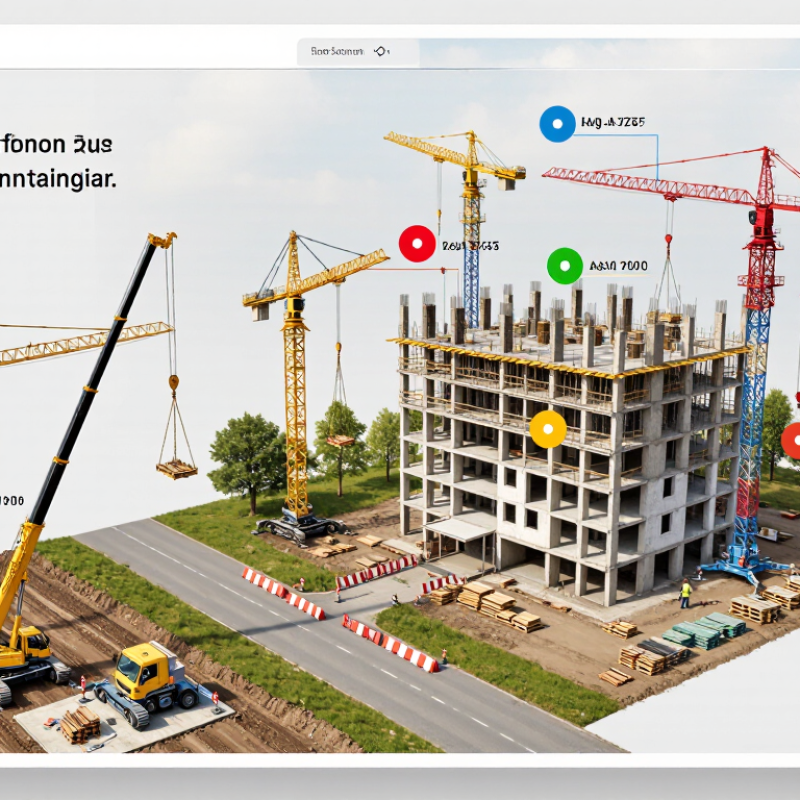
A mobile boom crane is a lifting machine mounted on a movable chassis. It uses a hydraulic boom, hook, winch, and stabilizing outriggers. The chassis allows the crane to travel between work areas. The boom reaches upward, outward, or both. Hydraulic cylinders extend or lower it with controlled force. The winch raises and lowers loads through a wire rope. A trained operator follows the load chart, which shows safe capacity at different boom lengths and working radii.
During operation, the crane’s weight must remain balanced over firm ground. Outriggers spread the load and reduce tipping risk. However, they cannot correct weak soil or poor setup. The simple explanation is useful, but incomplete. In real work, wind, uneven terrain, suspended-load movement, and limited visibility can change the risk quickly. When choosing a mobile boom crane, compare lifting capacity, maximum reach, travel space, outrigger width, and control precision. A crane that lifts five tons nearby may lift far less at full reach.
Tips: Measure the narrowest access route before selecting equipment. Check the ground bearing condition, not only the site’s appearance. Review recent inspection records and operator qualifications. Keep people outside the swing radius. I have found that rushed capacity estimates cause more trouble than slow planning. Leave a practical safety margin, because the heaviest lift rarely behaves perfectly.
A mobile boom crane is a vehicle-mounted lifting machine that uses a hydraulic or telescopic boom to raise, move, and place loads. The table below compares common mobile boom crane configurations and the main specifications to review before selecting one.
| Selection Dimension | What It Means | Typical Data or Range | Why It Matters | Recommended Selection Guidance |
|---|---|---|---|---|
| Crane Configuration | The type of mobile platform used to carry and operate the boom. |
Common types Truck-mounted crane, rough-terrain crane, all-terrain crane, and crawler-mounted crane. |
Each configuration balances road mobility, off-road performance, lifting capacity, setup time, and ground-pressure requirements differently. | Choose a truck-mounted crane for frequent road travel, a rough-terrain crane for construction sites, an all-terrain crane for mixed road and off-road work, or a crawler crane when low ground pressure and heavy lifting are priorities. |
| Maximum Rated Capacity | The greatest load the crane can lift under a specified operating condition. |
Typical mobile boom crane range Approximately 1 to more than 1,000 metric tonnes, depending on crane class and configuration. |
Rated capacity decreases as the load is positioned farther from the crane’s center of rotation or as boom length increases. | Do not select a crane using maximum capacity alone. Confirm the required load, working radius, boom length, counterweight, outrigger position, and applicable load chart. |
| Load Moment | The lifting force created by the load and its horizontal distance from the crane’s center of rotation. |
Basic relationship Load moment = load × working radius. It is commonly expressed in tonne-metres or kilonewton-metres. |
A relatively light load at a long radius can create a greater overturning moment than a heavier load close to the crane. | Compare the required load moment with the manufacturer’s rated capacity chart, rather than relying only on the crane’s headline lifting capacity. |
| Working Radius | The horizontal distance from the crane’s center of rotation to the load’s center of gravity. |
Typical operating range About 3 to 60 metres for many mobile lifting applications; specialized cranes can operate beyond this range. |
Working radius has a direct effect on stability and allowable lifting capacity. | Measure the farthest pick-and-place position, not just the distance from the crane to the nearest edge of the work area. |
| Maximum Boom Length | The maximum straight or telescoped length of the main boom. |
Typical range Approximately 10 to 100 metres for many mobile cranes. Lattice extensions and jibs may increase total reach. |
Longer booms improve reach but usually reduce lifting capacity and can increase wind sensitivity and deflection. | Select the shortest boom that safely reaches the work point whenever possible. Use a jib or lattice extension only when the lift plan requires additional height or reach. |
| Maximum Lifting Height | The highest point the hook can reach under a defined boom and jib configuration. |
Typical range Approximately 15 to 120 metres for many mobile boom cranes, depending on boom length, jib arrangement, and load. |
Hook height may be lower than the boom tip height because of reeving, hook block, rigging, and required clearance. | Include the building height, landing elevation, rigging length, and required clearance when calculating the actual hook-height requirement. |
| Mobility and Travel | The crane’s ability to move between work locations and reposition within a site. |
Key differences Truck-mounted units are designed for road travel; rough-terrain units are designed for uneven sites; crawler units normally require transport between sites. |
Travel requirements affect mobilization cost, access planning, and productivity. | Check road regulations, transport dimensions, bridge restrictions, turning radius, site access width, and whether the crane can travel with a suspended load. |
| Ground Conditions | The soil strength, slope, drainage, and surface condition available for crane setup. |
Required checks Ground-bearing capacity, outrigger-pad size, slope, underground services, voids, and edge distances. |
Insufficient ground support can cause outrigger settlement, loss of level, or crane overturning. | Use engineered mats or suitable bearing pads where necessary. Keep the crane level and follow the lift plan’s minimum clearance from excavations and edges. |
| Outrigger Configuration | The arrangement used to widen the crane’s support base during lifting. |
Common arrangements Fully extended, intermediate, or partially extended outriggers; some cranes also permit lifting on tires within defined limits. |
Rated capacity can change significantly with outrigger extension and lifting direction. | Confirm that the crane’s load chart matches the actual outrigger position. Allow sufficient space for full deployment whenever maximum capacity is needed. |
| Power and Hydraulic System | The engine, hydraulic pumps, valves, cylinders, and controls that generate and manage lifting motion. |
Typical features Diesel power is common for mobile cranes; hydraulic systems control boom elevation, telescoping, slewing, and winch operation. |
Power availability influences lifting speed, simultaneous movements, fuel use, and performance under high load. | Compare rated engine power, hydraulic flow, control smoothness, fuel consumption, and service accessibility for the expected duty cycle. |
| Control and Safety Systems | Devices that monitor crane position, load, stability, and operating limits. |
Common systems Load moment indicator or limiter, rated capacity limiter, anti-two-block device, boom angle indicator, level indicator, and emergency stop controls. |
These systems help operators remain within the approved operating envelope but do not replace planning or competent operation. | Verify that the crane has current inspections, functional safety devices, clear load charts, and controls suitable for the operator’s working environment. |
| Wind Limit | The maximum permitted wind condition for a specific lifting configuration. |
Important principle The allowable wind speed varies with load size, boom length, jib configuration, and manufacturer instructions; no single limit applies to every crane. |
Large or bulky loads can act as sails and become difficult to control even when their weight is within the rated capacity. | Use the crane’s operating manual and site weather data. Stop or modify the lift when wind conditions exceed the stated limit or the load becomes unstable. |
| Setup and Mobilization Time | The time needed to position, level, deploy outriggers, install counterweights, and configure the boom. |
Typical pattern Smaller truck-mounted units may be ready within minutes; larger cranes may require several hours and transport vehicles for counterweights or attachments. |
Setup time affects project scheduling, traffic management, labor cost, and site disruption. | Choose a crane that can be safely assembled within the available work window and site footprint. Include permits and delivery logistics in the plan. |
| Operating Environment | The site conditions in which the crane will perform, including space, weather, visibility, and nearby hazards. |
Typical hazards Overhead power lines, restricted access, confined areas, poor visibility, traffic, wind, rain, and nearby structures. |
Environmental restrictions can limit boom movement, setup position, lifting hours, and permissible load size. | Complete a site survey before selection. Maintain legally required electrical clearances and use a dedicated signal person where visibility is restricted. |
| Maintenance and Inspection | The inspections, servicing, lubrication, testing, and repairs required to keep the crane safe and reliable. |
Inspect regularly Wire ropes, hooks, sheaves, brakes, hydraulic hoses, cylinders, structural members, tires or tracks, outriggers, and safety systems. |
Wear, corrosion, hydraulic leakage, rope damage, or malfunctioning safety devices can compromise lifting performance. | Review maintenance records, inspection certificates, spare-parts availability, service access, and the requirements of local lifting regulations before purchase or rental. |
| Best-Fit Application | The type of work for which a mobile boom crane is most suitable. |
Typical applications Structural steel erection, precast installation, machinery placement, utility work, bridge construction, maintenance, and general material handling. |
A crane optimized for road mobility may not be ideal for soft ground, confined spaces, or very heavy repetitive lifts. | Match the crane to the full lift profile: load weight, dimensions, radius, height, frequency, travel distance, ground condition, and setup space. |
Important: The capacity and dimensional figures shown are general industry ranges, not a substitute for a crane-specific rated capacity chart, operating manual, site survey, lift plan, or applicable local regulations. Always use the actual crane configuration and the lowest applicable rated capacity.