How to Choose the Right Pickup Crane for Your Needs?
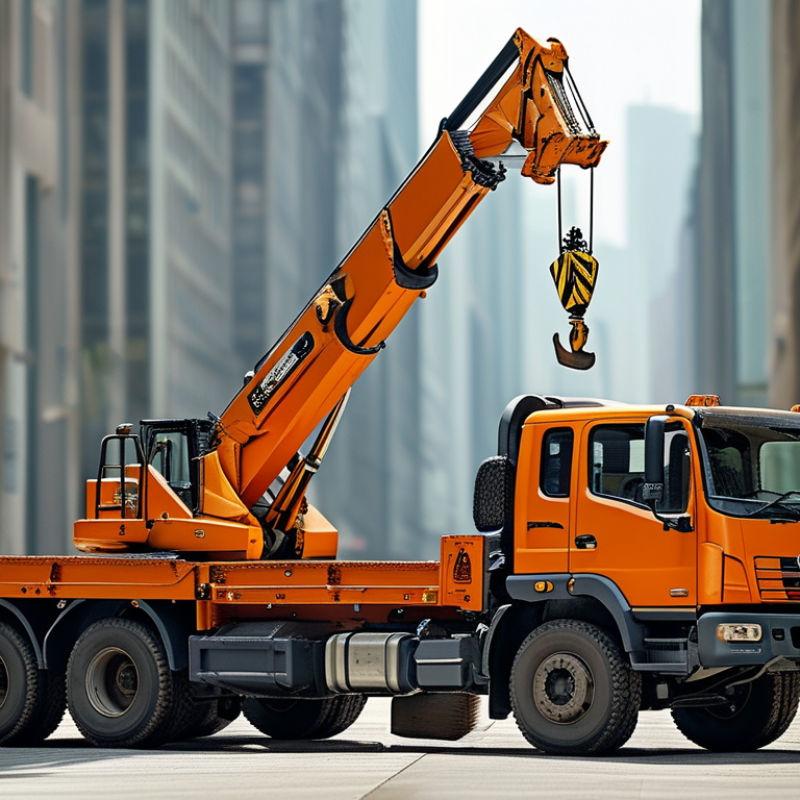
Choosing the right pickup crane can significantly impact your efficiency and productivity. A pickup crane is essential for transporting heavy loads in various industries. Understanding your specific needs is crucial before making a decision.
Different pickup cranes have unique features and specifications. Assess the weight capacity, reach, and ease of use. These factors vary among models and brands. A crane that suits one application may not be ideal for another. It's important to consider terrain and frequency of use.
Engaging with professionals can offer insights based on experience. They can share practical tips to help you avoid common pitfalls. Research and gather information on several options. Your choice should not only focus on price but also on reliability and functionality. Making an informed decision can lead to improved outcomes and reduced frustrations.
Understanding the Different Types of Pickup Cranes Available
When selecting a pickup crane, it is crucial to understand the various types available. Each type serves distinct purposes and applications. Hydraulic cranes are popular due to their powerful lifting capabilities, making them ideal for heavy loads. They offer great stability and can be used in construction sites or for transporting equipment. On the other hand, electric cranes are excellent for lighter materials. They provide a quieter operation and are more suited for indoor use.
Consider the weight limit for your tasks. Different cranes come with varying capacities, so knowing the weight you need to lift helps narrow down options. Another important factor is the crane's reach. Depending on your work environment, you might need a crane that can extend further to access hard-to-reach areas. Look for models that can adjust easily to your needs.
Weight and reach are not the only factors. Maintenance should also be considered. Cranes require regular checks to ensure safe operation. A well-maintained crane can prevent accidents and prolong the equipment's life. Additionally, reflect on the operational training required for the crane's use. Employees must be knowledgeable to use the crane safely and efficiently. Calmly evaluate each aspect before making your choice.
How to Choose the Right Pickup Crane for Your Needs?
| Type of Pickup Crane |
Maximum Load Capacity |
Reach |
Weight |
Best Use Cases |
| Articulating Crane |
Up to 6,000 lbs |
Up to 30 ft |
1,200 lbs |
Construction, Landscaping |
| Telescopic Crane |
Up to 8,000 lbs |
40 ft |
1,500 lbs |
Warehouse, Delivery |
| Knuckleboom Crane |
Up to 10,000 lbs |
35 ft |
1,800 lbs |
Forestry, HVAC Installation |
| Cargo Crane |
Up to 5,000 lbs |
25 ft |
1,000 lbs |
Trucking, Shipping |
Assessing Your Load Capacity Requirements for Pickup Cranes
When choosing a pickup crane, assessing your load capacity is essential. It's critical to understand the maximum weight and dimensions of the loads you'll handle. Industry reports indicate that the average small to medium pickup crane can lift between 1,000 to 4,000 pounds. However, not all projects have the same requirements. For instance, construction tasks often involve heavier loads, necessitating cranes with higher capacities.
It's important to reflect on your specific needs. If you frequently transport bulky materials, a crane with a longer reach might be necessary. Data shows that cranes with a reach of more than 20 feet significantly enhance operational efficiency in rough terrain. However, exceeding the crane's load capacity can lead to accidents, which highlights the importance of proper evaluations.
Regularly reviewing load requirements can prevent mishaps and optimize performance. Industry experts recommend conducting a thorough assessment before making a decision. A thorough understanding of factors like weight distribution and the lifting height can provide better clarity. Balancing these elements is not always straightforward, and overestimating capacity can lead to costly mistakes.
Evaluating Crane Specifications: Reach, Height, and Features
When selecting the right pickup crane, evaluating crane specifications is essential. This involves focusing on reach, height, and features. Reach refers to how far the crane can extend horizontally. If your work requires lifting materials over obstacles or into truck beds, consider a crane with a greater reach.
Height is equally important. Some jobs may require lifting items to significant elevations. For instance, construction sites often require cranes that can reach at least 20 feet. Always assess the maximum height needed for your specific tasks.
It's also crucial to consider the features. Look for adjustable booms, remote control capabilities, and stability features. These elements can enhance safety and efficiency.
Choosing the right crane doesn’t come without challenges. The specifications can seem overwhelming. Reflect on your usual lifting tasks. This can guide you in picking the crane that matches your requirements most effectively.
Pickup Crane Specifications Comparison
Considering Safety Standards and Regulations for Pickup Cranes
When choosing a pickup crane, it's crucial to consider safety standards and regulations. In the U.S., the Occupational Safety and Health Administration (OSHA) has strict guidelines that govern the use of cranes in different environments. Compliance with these standards increases safety and reduces the risk of accidents. According to industry reports, nearly 40% of crane-related accidents stem from improper use and failure to adhere to safety protocols.
Selecting a crane that meets local regulations is essential. Familiarize yourself with the American National Standards Institute (ANSI) requirements for cranes. Keep in mind that different types of cranes are suitable for various applications. For instance, a compact crane may be ideal for construction sites with limited space, while larger models are better for heavy-duty tasks.
Check for safety features like overload protection and stable outriggers. Ensure the crane has been inspected regularly and maintained according to manufacturer specifications. A poorly maintained crane poses a high risk.
Consider training for operators as well. Properly trained staff can identify hazards and operate the crane efficiently. Regular training updates can further enhance safety protocols.
Evaluate your needs carefully. Safety should be your top priority when making a selection.
Budgeting: Cost Factors and Long-Term Investment in Pickup Cranes
When considering the budget for a pickup crane, various cost factors come into play. Initial purchase price is important, but it’s not the only consideration. Maintenance costs can add up significantly over time. According to industry reports, maintenance can account for 15-25% of the total cost of ownership over a crane's lifespan. Investing in a well-built crane may result in lower long-term expenses.
Fuel efficiency is another critical factor influencing your budget. Research shows that inefficient cranes can increase operational costs by up to 30%. This makes it essential to evaluate not just the crane's upfront cost but also its operating efficiency. Training for operators also needs budgeting. Proper training improves safety and performance, reducing accidents and equipment downtime.
It's crucial to reflect on how various factors impact your overall investment. The right crane choice can enhance productivity, leading to increased profit margins. However, if the wrong crane is selected, it may become an expensive liability rather than an asset. Balance initial costs with projected operational demands. Assess your long-term needs carefully to ensure the right financial decision.