How to Choose the Right Truck Crane for Your Business?

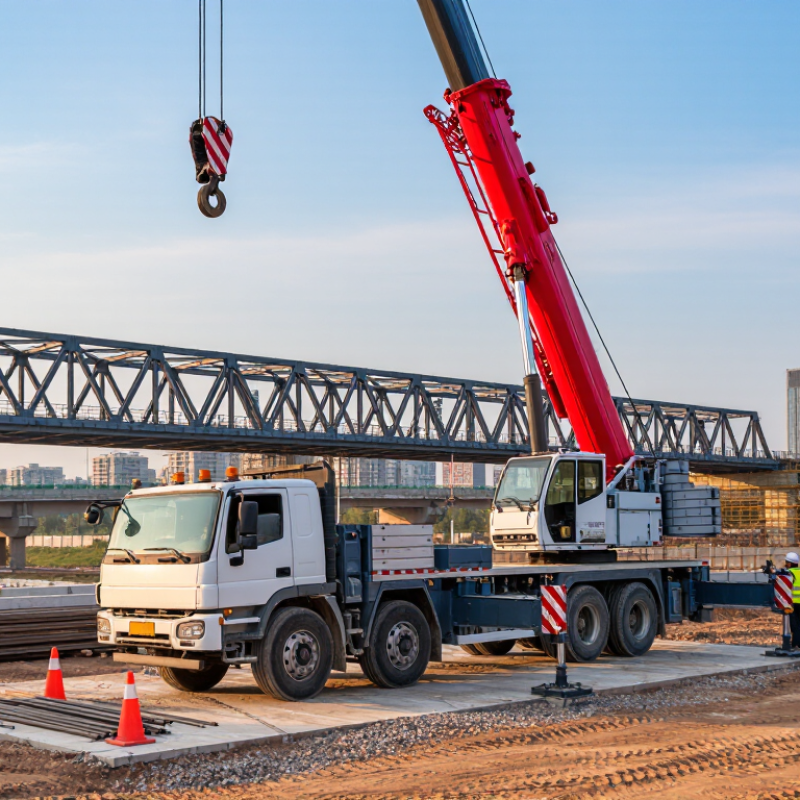
Choosing the right truck crane is not simply a matter of comparing lifting capacities. It is a field decision involving reach, road access, setup time, ground conditions, maintenance, and operator skill. A 25-ton crane may appear economical, yet it can become unsuitable when a lift requires a long boom radius or restricted urban access. That mistake is expensive.

Industry data supports careful evaluation. Mordor Intelligence’s Mobile Cranes Market report identifies construction activity, infrastructure investment, and equipment rental demand as major growth drivers. Grand View Research also reports continuing expansion in the broader crane market, supported by industrial projects and transport infrastructure. These trends suggest stronger demand for mobile lifting equipment, but they do not make every truck crane a good purchase. Market growth is not a substitute for a site assessment.

Crane safety consultant Howard I. Shapiro has emphasized, “A crane is only as safe as the people who operate it.” That principle remains practical. Buyers should compare rated capacity charts, not headline tonnage. They should examine outrigger spread, counterweight requirements, service support, fuel use, and transport regulations. OSHA’s construction-crane guidance and ASME B30.5 provide useful safety references, although local requirements may differ.

No selection model is perfect. A clean spreadsheet can still miss muddy access roads, weak pavement, or an inexperienced crew. I would challenge any recommendation based only on price. The right truck crane fits the lift plan, the working environment, and the company’s real operating ability. Sometimes, renting a specialized machine is wiser than owning a versatile one.
How to Choose the Right Truck Crane for Your Business?

Define Your Lifting and Transport Requirements

Choosing a truck crane starts with the load, not the machine. List the heaviest item, average load, lifting frequency, and maximum working radius. A 5-ton load lifted close to the truck may require less capacity than a 2-ton load extended over a crowded site. Measure twice. A common planning error is using rated capacity without checking the load chart at the actual radius.

Transport requirements matter equally. Record daily travel distance, road surfaces, bridge limits, site access, and legal axle loads. The World Bank’s 2023 Logistics Performance Index assessed 139 economies and emphasized reliability, speed, and shipment timeliness. These factors affect whether your crane earns money or waits beside a congested road. The International Transport Forum’s Transport Outlook 2023 projects about 70% growth in global freight demand by 2050 under its baseline scenario. Fleets may need greater flexibility, not simply larger lifting capacity.

Inspect the complete work cycle. Include setup space, outrigger spread, overhead hazards, wind exposure, and unloading time. OSHA’s construction-crane requirements call for documented inspections at least every 12 months, with additional checks after certain events. Treat that interval as a minimum, not a maintenance strategy. A clean spreadsheet can still be wrong. Recheck real job records, because operators often reveal delays that specifications miss. If loads vary widely, compare several capacity classes and calculate cost per completed lift, including travel, setup, fuel, inspection, and downtime. It happens. The cheapest crane can become the most expensive choice.
Match Crane Capacity to Load Weight and Reach

How to Choose the Right Truck Crane for Your Business?

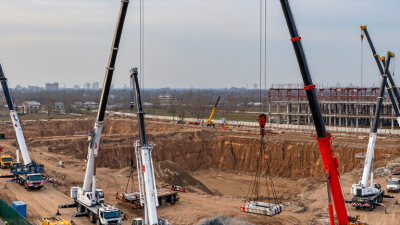
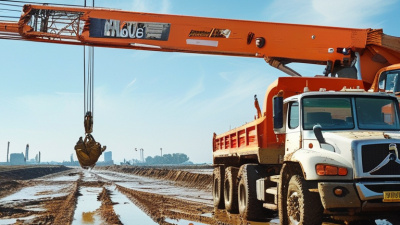
Choosing a truck crane starts with the load, not the truck size. Record the heaviest item, its lifting points, and the required unloading distance. Then check the crane’s capacity chart at that exact working radius. A crane rated for ten tonnes nearby may lift far less at a longer reach. That difference surprises inexperienced buyers.

Reach also includes height, boom angle, and the space around the vehicle. Measure the distance from the crane center to the load position, not just the site entrance. Consider ground strength, outrigger spread, and nearby obstacles. I once focused too heavily on maximum capacity and underestimated reach. That shortcut created extra setup work. It was a useful lesson.

Tips: Add a practical safety margin for real conditions, not just the listed load weight. Account for slings, hooks, buckets, and other attachments. Ask a qualified lift planner to review the heaviest routine lift and the most distant lift. Test your calculations against uneven ground and restricted access. Capacity charts are essential, but they do not replace experienced judgment. Forecast future jobs too. Buying for today alone may leave the crane undersized next year.

Compare Truck Chassis, Crane Types, and Mounting Options

Choosing a truck crane starts with the chassis, not the crane. Payload matters. Check the truck’s gross vehicle weight rating, axle limits, wheelbase, and available payload after fuel, tools, and crew are added. A long wheelbase can improve stability, but it may reduce maneuverability on narrow construction sites. A shorter chassis turns more easily, yet it can feel less stable during extended lifts. Experienced operators also check frame strength and power take-off capacity before selecting equipment.

Crane type should match the work pattern. A knuckle-boom crane folds compactly and suits delivery work, loading pallets, and urban access. A telescopic crane usually offers longer, straighter reach for heavier lifting at distance. Compare rated load charts, hydraulic speed, control position, and required outreach. Never judge capacity by maximum reach alone. That figure can be misleading. Site conditions, wind, uneven ground, and load shape can change the real lifting margin.

Mounting location affects balance and daily access. A behind-cab mount leaves the rear open for cargo, while a rear mount may improve loading access from the side. Center mounting can distribute weight well, but it may reduce usable deck space. Use a properly engineered subframe that spreads lifting forces through the chassis. In field assessments, I have seen buyers focus on crane capacity and overlook service clearance. That mistake becomes expensive. Review the manufacturer’s load charts, inspection requirements, and local installation standards with a qualified engineer before ordering.

How to Choose the Right Truck Crane for Your Business? — Compare Truck Chassis, Crane Types, and Mounting Options

The figures below are typical planning ranges for commercial truck-mounted cranes. Actual capacity, dimensions, payload, and legal limits depend on the selected vehicle, crane configuration, counterweight, road regulations, and operating conditions.
Decision Dimension Light-Duty Truck Medium-Duty Truck Heavy-Duty Truck Extra-Heavy or Specialized Chassis
Truck Chassis Comparison
Typical gross vehicle weight range Approximately 3.5–7.5 tonnes Approximately 7.5–18 tonnes Approximately 18–32 tonnes Above 32 tonnes, subject to local road regulations
Typical payload after crane installation Approximately 0.8–3 tonnes Approximately 3–8 tonnes Approximately 8–18 tonnes More than 18 tonnes in specialized configurations
Typical wheelbase suitability Short wheelbase; useful where maneuverability is important Medium wheelbase; balances stability and access Longer wheelbase; supports heavier cranes and larger bodies Long or multi-axle layouts for exceptional loads and stability
Best operating environment Urban delivery, maintenance, landscaping, and light construction General construction, utilities, equipment delivery, and regional work Infrastructure, heavy construction, industrial handling, and recovery work Mining, energy projects, major infrastructure, and specialized transport
Mobility and access Excellent urban access
Lower turning and parking demands
Good all-round access
Suitable for mixed urban and regional routes
Moderate access
Requires more space and route planning
Limited access
May require permits, escorts, or route surveys
Main selection priority Low operating cost and compact dimensions Payload, versatility, and balanced running cost Structural capacity, axle loading, and lifting performance Maximum capacity, terrain performance, and regulatory compliance
Crane Type Comparison
Knuckle-boom crane Compact folded profile and good loading flexibility Common choice for material delivery and construction support Available in high-capacity configurations with multiple hydraulic extensions Suitable for specialized heavy lifting when correctly engineered
Telescopic crane Simple boom operation for light lifting tasks Good reach for general loading and maintenance work Provides long reach with a relatively straightforward boom structure Useful where extended vertical or horizontal reach is required
Articulated or folding crane Efficient for frequent loading and unloading in confined areas Strong balance of reach, folding height, and operating flexibility Can combine high lifting moment with several hydraulic functions Requires careful chassis, subframe, and stability engineering
Loader crane with winch Suitable for occasional pulling or controlled lowering Useful for utility work, construction, and equipment placement Improves handling options for loads that cannot be reached directly Often selected for complex lifting and recovery applications
Typical lifting moment range Approximately 10–50 tonne-metres Approximately 50–150 tonne-metres Approximately 150–400 tonne-metres Above 400 tonne-metres in specialized systems
Typical working reach Approximately 4–10 metres Approximately 6–15 metres Approximately 8–25 metres More than 20 metres, depending on boom and jib configuration
Recommended use pattern Frequent short lifts with limited load radius Mixed lifting tasks and regular material delivery Heavy lifts, larger radius requirements, and demanding cycles Engineered lifts requiring detailed planning and site controls
Mounting Option Comparison
Behind-cab mounting Preserves rear deck space and supports compact layouts Good general-purpose arrangement for loading materials behind the cab Suitable for larger cranes when front axle load and cab clearance are controlled May require reinforced subframes and careful axle-load calculations
Rear mounting Useful when the truck body must remain clear near the cab Provides good access to the rear working zone Can improve load distribution for certain body and crane combinations Requires attention to rear overhang, axle loads, and transport regulations
Center mounting Possible on short bodies with suitable structural support Can provide balanced access around the vehicle Helps distribute equipment weight between axles when properly designed Often used for specialized bodies and complex operating layouts
Removable or demountable mounting Useful where one truck must serve multiple bodies Supports seasonal work and interchangeable equipment Can improve fleet utilization but adds installation and inspection requirements Requires engineered interfaces, locking systems, and strict changeover procedures
Subframe requirement Light reinforced subframe, subject to crane and body loads Dedicated subframe normally required for load distribution Heavy-duty subframe and torsional reinforcement are commonly required Custom structural engineering and detailed fatigue assessment may be necessary
Stabilizer requirement Basic outriggers for light-duty lifting Hydraulic outriggers generally recommended for safe working stability Wide or multi-stage outriggers often required for higher lifting moments Advanced stabilization, ground assessment, and lifting plans are typically required
Business-Fit Considerations
Choose this configuration when Most jobs are light, frequent, and located in confined urban areas You need one vehicle for varied construction, delivery, and service work Your business regularly handles heavy materials or operates on demanding sites Projects involve exceptional loads, extended reach, or specialized terrain
Key risks to check before purchase Overloading, insufficient payload after installation, and limited reach Axle-load balance, body length, and hydraulic duty cycle Bridge-formula limits, ground bearing pressure, and transport permits Route restrictions, certification requirements, setup time, and high ownership cost
Important specifications to verify Payload, folded height, turning radius, and minimum lifting capacity Payload at working radius, stabilizer footprint, and deck dimensions Lifting chart, axle loads, subframe design, hydraulic flow, and brake capacity Engineering certification, multi-axle load distribution, permits, and site procedures
Selection rule: Choose the crane according to the heaviest load at the farthest required working radius, then confirm the truck's legal gross weight, axle loads, payload after installation, subframe strength, stabilizer footprint, and local certification requirements.

Evaluate Safety Systems, Operating Space, and Compliance

How to Choose the Right Truck Crane for Your Business?

A truck crane should fit your worksite before it fits your budget. During site reviews, I have seen crews focus on lifting capacity and overlook safety systems. That mistake can become expensive quickly. Check the rated load chart, emergency stop, overload protection, boom limiters, and outrigger interlocks. Warning alarms should remain clear beside engine and traffic noise. Test every control during a supervised inspection, not only during delivery. Small gaps matter.

Operating space needs careful measurement. Record the narrowest entrance, turning radius, ground slope, and overhead clearance. Space tells the truth. Outriggers may need firm pads, extra width, and stable ground beyond the pavement. Keep people away from the swing area, especially when visibility is poor. A spotter can help, but communication must be agreed before lifting. I once underestimated how quickly a crowded yard changed the crane’s working radius. That experience made me recheck stored materials, parked vehicles, and temporary barriers.

Compliance should be verified with current local requirements, inspection intervals, and operator qualification rules. Ask for maintenance records, load-test documents, and manuals written in a language workers understand. Requirements can vary by region and application, so confirm details with the relevant authority or a qualified safety professional. A crane can appear compliant while missing a site-specific permit or inspection. Do not rely on a sales sheet alone. Leave room for honest doubt, because real worksites rarely match the original plan.

Assess Total Cost, Maintenance Needs, and Supplier Support

Choosing a truck crane starts with total cost, not lifting capacity alone. A lower purchase price can hide higher fuel use, tire wear, insurance, and operator training costs. The American Transportation Research Institute reported an average trucking operating cost of $2.27 per mile in 2023. Its data shows why chassis efficiency deserves close attention. A powerful crane still becomes expensive when the carrier travels between scattered job sites.

Maintenance needs are more practical than brochure claims. Ask for service intervals, hydraulic inspection procedures, spare-part lead times, and technician coverage near your busiest routes.

The International Organization for Standardization’s ISO 4309 guidance treats wire-rope inspection and discard criteria as ongoing responsibilities, not occasional paperwork. In daily use, check for hydraulic leaks, unusual pump noise, loose fittings, and uneven outrigger movement. Small defects rarely remain small. Keep digital records with photographs, hour-meter readings, and repair dates.

Supplier support can determine whether equipment earns revenue or waits in a yard.

Request response-time commitments, mobile service availability, training materials, and clear warranty exclusions. The U.S. Department of Energy’s 2024 transportation analysis continues to identify fuel and vehicle operating efficiency as major fleet cost factors. Yet a spreadsheet can still lie. I would compare two suppliers using a three-year cost model, then test their response with a real service question. Silence is useful evidence. Choose the partner that explains maintenance honestly, including inconvenient costs.