How to Lift More With a Crane Safely?
How to Lift More With a Crane Safely?
Lifting more safely begins with a better plan, not a heavier hook load. The phrase “lift more crane” should never mean exceeding the crane’s rated capacity. It means improving control, preparation, and decision-making around every lift.
OSHA’s crane standard, 29 CFR 1926 Subpart CC, requires competent planning, inspections, operator qualifications, and compliance with load-chart limits. OSHA also identifies power-line contact, struck-by incidents, falls, and equipment failures as major crane hazards. NIOSH FACE investigation reports repeatedly describe similar patterns: unstable ground, poor communication, incorrect rigging, and rushed decisions. These reports are uncomfortable reading. They are also practical training material.
Check the ground first.
A level, compacted surface supports safer operation. Outriggers need suitable mats, not improvised timber or damaged blocking. Confirm the load weight, center of gravity, radius, boom angle, and rigging capacity before movement. A load weighing 8,000 kilograms can create far greater overturning forces when the radius increases. The load chart must match the exact configuration.
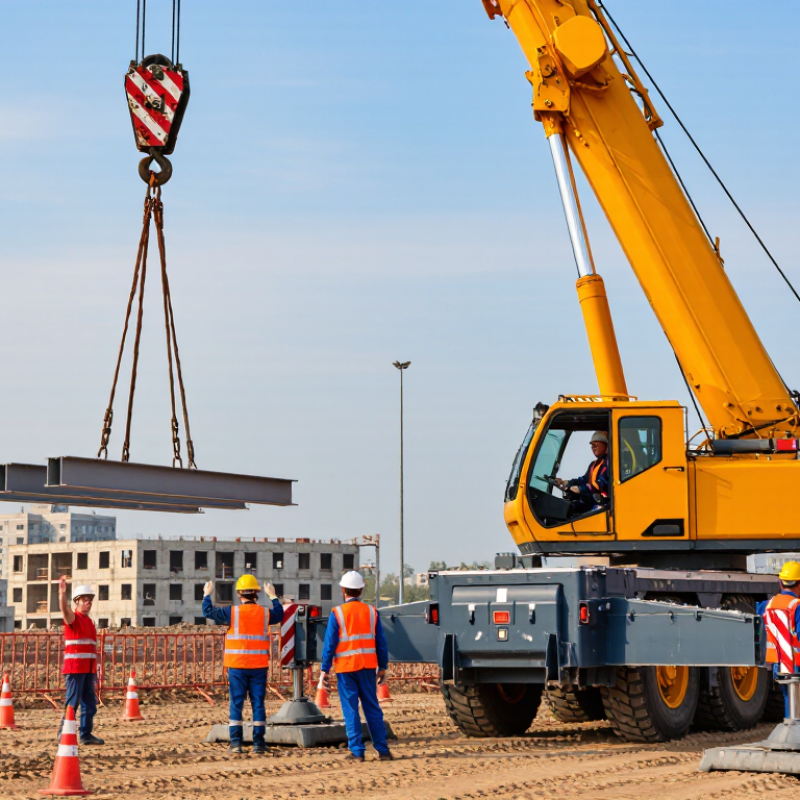
Keep people clear. Use one designated signal person and agreed hand signals or radio commands. Stop immediately when communication becomes unclear. Wind matters, especially with panels, tanks, and long steel sections. The U.S. Bureau of Labor Statistics’ Census of Fatal Occupational Injuries continues to show that transportation and material-moving work demands strict hazard control. Experience helps, but it can also create overconfidence. Even a careful crew can miss one detail. Safe lifting requires slowing down, checking assumptions, and refusing a lift that does not feel controlled.
Crane Lifting Basics: Capacity, Equipment, and Worksite Conditions
How to Lift More With a Crane Safely?
Crane lifting basics begin with capacity, not confidence.
Check the load weight, lifting radius, boom length, and ground pressure before setup. The rated capacity changes as the radius increases. A load chart is not optional. It is the controlling document.
Select slings, shackles, hooks, and spreader beams with suitable working load limits. Inspect them for cuts, distortion, corrosion, and missing identification. CPWR’s analysis of U.S. Bureau of Labor Statistics data recorded 297 crane-related construction deaths from 2011 to 2017. Struck-by events and electrocutions remained serious hazards. Worksite conditions deserve equal attention. Check overhead lines, wind, visibility, traffic, soft soil, and nearby structures. OSHA requires specific power-line controls, including minimum clearance rules that vary with voltage. Small errors become dangerous quickly.
Tips:
Keep the load low during travel. Use taglines when appropriate. Establish one signal person. Stop when signals become unclear. Never guess the weight. Recheck the setup after rain or ground movement. A perfect lift plan can still fail when conditions change. I sometimes see teams focus heavily on crane capacity but overlook rigging angles. That is a costly blind spot. The plan should be reviewed at the lift area, not only in an office. Record weather changes and equipment concerns. Speaking up may feel slow, but silence is slower after an incident.
Sources:
CPWR, Crane-Related Fatalities in Construction, 2011–2017; U.S. OSHA, 29 CFR 1926 Subpart CC.
Safe Crane Operation: Communication, Movement, and Load Control
How to Lift More With a Crane Safely?
Safe crane operation depends on communication, controlled movement, and accurate load assessment. The U.S. Bureau of Labor Statistics recorded 1,495 fatal injuries among transportation and material-moving workers in 2023. Cranes are only one part of this category, but the figure shows why routine discipline matters.
Before lifting, the operator, signal person, and supervisor should agree on one communication method. Use standard hand signals or a dedicated radio channel. One signal person should direct the movement. Stop immediately when a signal becomes unclear. Keep workers outside the suspended-load zone. OSHA identifies struck-by incidents, tip-overs, and power-line contact as recurring crane hazards.
Movement should remain slow near people, structures, and the final landing point. Check the load’s weight, center of gravity, rigging condition, and rated capacity. A short test lift can reveal shifting or poor balance. Tag lines may reduce rotation, but they cannot replace proper positioning. Wind also changes control, especially with wide or flexible loads. Sometimes the safest decision is delaying the lift. That can feel inefficient, but a rushed correction is worse.
Tips: Inspect hooks, slings, latches, and ground conditions before every lift. Confirm the load path is clear. Never move a load over people. Keep signals visible, and stop when visibility disappears. Record unusual movement or near misses. These notes often expose weak procedures before an injury occurs. Personally, I would rather repeat a lift plan than repeat a mistake.
How to Lift More With a Crane Safely?
Safe Crane Operation: Communication, Movement, and Load Control
The chart shows practical safety-control targets for a planned lifting operation. Communication requires confirmed signals, movement requires controlled acceleration and a clear travel path, and load control requires a stable, balanced load within the crane’s rated capacity. Always follow the crane manufacturer’s load chart, site rules, lift plan, and applicable regulations.
Post-Lift Checks, Maintenance, and Emergency Procedures
The lift is not finished when the load touches the ground. Keep the crane isolated until the area is safe. Check the load, hooks, slings, shackles, and landing surface for damage or unusual movement. Look for bent fittings, broken wires, oil leaks, and loose fasteners. Record findings immediately, including weather, load weight, and any unexpected noise. A tidy report is not proof of a perfect lift.
Tips: Photograph damaged components before removal. Tag defective equipment clearly. Never return questionable gear to service. Ask another qualified person to review your inspection, especially after a difficult lift. Small details matter.
Follow the manufacturer’s maintenance schedule and your site’s inspection requirements. Clean contact surfaces, lubricate approved points, and verify emergency stops and limit devices. Maintenance must be performed by competent personnel, with records kept for every repair.
If power fails, a load shifts, or a wire rope breaks, stop operations and warn everyone nearby. Establish a controlled exclusion zone. Never stand beneath a suspended load. Contact the site supervisor and emergency team, then follow the crane’s written emergency procedure. Do not improvise a rescue or restart the crane because the situation “looks stable.” That judgment can be wrong. Review the incident afterward, even when nobody is injured. Almost-misses deserve attention.