A small lifting crane may look modest beside a tower crane, yet it performs the same essential task: moving heavy loads under controlled force. It can operate inside workshops, warehouses, construction sites, and restricted outdoor areas. Typical models use a compact chassis, boom, hook, winch, hydraulic system, and stabilizing outriggers. Some are mounted on trucks, while others move on wheels or tracks.
Mike Parnell, a recognized lifting and rigging safety educator, puts the principle plainly: “The load does not know the crane is small; it only responds to force.” That observation deserves attention. A 500-kilogram load can still swing, shift, or overload equipment when the lift is poorly planned. The operator must check the load weight, lifting radius, ground condition, hook position, and rated capacity before raising anything. Small mistakes become visible quickly.
The working cycle is straightforward. The crane positions its base, extends stabilizers, raises or adjusts the boom, and winds the hoist cable. The hook then lifts the load through controlled hydraulic or mechanical movement. Smooth operation matters. Sudden braking can create dangerous side loads, especially when wind or uneven flooring is present.
This explanation is useful, but not complete. Crane designs vary widely. Manufacturer instructions, inspection records, and trained operation remain essential. A small lifting crane is not simply a miniature version of larger equipment. Its compact size changes access, balance, visibility, and working limits. Understanding those details helps readers evaluate how the machine works, where it performs well, and when its apparent convenience may become a weakness.
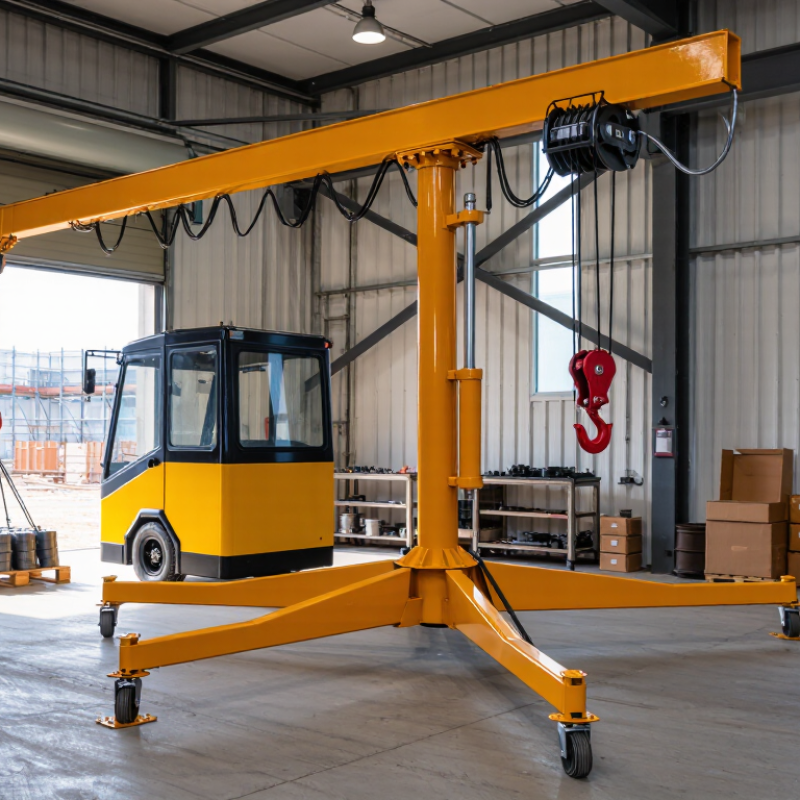
A small lifting crane is defined by more than its physical size. Its rated lifting capacity, working radius, boom length, and installation requirements matter more. Many compact cranes handle loads from a few hundred kilograms to several tonnes, depending on their design. They may use electric, hydraulic, or manual power. Their compact frames suit workshops, warehouses, maintenance areas, and restricted construction sites.
The word “small” can mislead. A narrow crane may still create serious forces when its boom extends fully. A trained operator checks the load chart, floor strength, counterweight position, and outrigger spread before lifting.
The safe working load usually decreases as the load moves farther from the crane’s center. That detail is easy to overlook.
Short reach matters.
In practical inspections, uneven floors, poor visibility, and swinging loads often create more risk than the crane’s size. Operators should inspect hooks, wire ropes, chains, brakes, pins, and emergency controls before each shift. The control panel should provide clear movement feedback, especially in crowded spaces. A crane’s mobility can also define it, since some models are fixed while others move on wheels, rails, or compact bases.
There is no universal size limit for a small lifting crane. The definition depends on its intended task, rated capacity, footprint, and operating environment. A compact machine is not automatically simple. That assumption deserves another look.
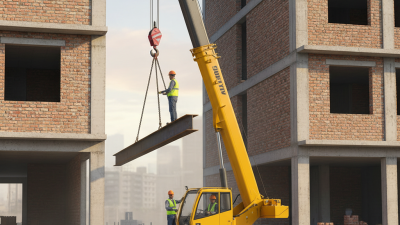
What Is a Small Lifting Crane and How Does It Work?
A small lifting crane uses a compact structure to raise, move, and position loads. Its mast or boom carries the working force. The hoist supplies lifting power through a wire rope or chain. A hook, latch, and sheave system transfer that force to the load. The slewing mechanism rotates the boom, while the base, wheels, or outriggers resist tipping. Controls regulate speed and direction. Limit switches and overload indicators help prevent unsafe movement, but they cannot replace inspection or judgment.
The load chart is the crane’s practical rulebook. It shows safe capacity at different boom lengths, angles, and working radii. According to CPWR’s analysis of U.S. Bureau of Labor Statistics data, 1,030 fatal occupational incidents involving cranes occurred from 2011 through 2021. This figure shows why small equipment still demands serious planning. A compact crane is not automatically safer. Operators must check ground strength, attachment points, wind, and the load’s center of gravity. In real work, uneven floors can change stability quickly. I have found that rushed positioning causes more confusion than difficult controls.
Tips: Inspect ropes, hooks, brakes, and outriggers before each shift. Confirm the load weight from reliable records. Keep people outside the swing radius. Use a trained signal person when visibility is limited. Review the manufacturer’s load chart, even for familiar lifts. Small oversights matter.
The chart shows the calculated boom torque required to lift a 200 kg load at different horizontal reaches. Torque is calculated as load mass × gravitational acceleration × reach, using 9.81 m/s². As the reach increases, the boom, pivot, base, hoist, and supporting structure must withstand greater torque. The hoist and winch provide lifting force, while the hook transfers the load and the base keeps the crane stable.
A small lifting crane moves heavy objects through controlled vertical and horizontal motion. Its main parts include a base, mast, boom, winch, wire rope, hook, and stabilizers. The lifting process begins with a ground check. The operator confirms that the surface is firm, level, and free from loose materials. Stabilizers are then extended to improve balance. This step looks simple, but it is often rushed.
The operator checks the load weight against the crane’s rated capacity. The hook is positioned directly above the load to reduce swinging. Slings or lifting attachments are inspected and connected securely. The winch slowly tightens the rope until the load leaves the ground. A short pause helps reveal slipping, uneven loading, or unusual noise. If everything remains stable, the operator raises the load gradually and slews the boom carefully. The load is lowered with the same control. Sudden movements create dangerous momentum, even with a light load.
Tips: Keep people outside the lifting zone. Use clear hand signals or reliable radio communication. Watch the hook, not only the load. Never lift beyond the rated capacity. Wind can affect a suspended object more than expected. In practice, operators sometimes focus on speed and miss small warning signs. A slower lift is usually easier to correct. Always follow the equipment manual and site procedures, because control layouts and safety limits can differ.
What Is a Small Lifting Crane and How Does It Work?
Common Types and Practical Applications
A small lifting crane uses a boom, hoist, and supporting frame to raise and position heavy loads. Its compact size suits narrow workshops, renovation sites, warehouses, and service areas. Portable gantry cranes move on casters and lift equipment between workstations. Mini crawler cranes use tracks, giving better stability on uneven ground. Wall-mounted jib cranes swing loads across a fixed work zone. Electric chain hoists are often paired with these systems for controlled vertical movement.
Each type serves a different practical need. A gantry crane can lift motors, molds, or steel parts from a floor pallet. A jib crane helps workers load machines beside a production line. Mini crawler cranes can place glass panels, air-conditioning units, or small structural components where larger equipment cannot enter. Truck-mounted units support short lifting tasks during field maintenance. Tight spaces matter.
A useful field lesson is that capacity is only one selection factor. Operators must check load charts, lifting height, reach, floor strength, and available power. The load should remain balanced and secured before movement begins. Sudden swinging is dangerous, even with a light object. I have seen compact equipment underestimated because it looks simple. That judgment needs reconsideration. Pre-use inspections, trained operators, clear communication, and suitable ground conditions remain essential. Weather can also change a safe lift into a poor decision.
| Crane Type | Typical Rated Capacity | Typical Working Height or Reach | How It Works | Common Applications | Main Advantages | Important Limitations |
|---|---|---|---|---|---|---|
| Portable Gantry Crane | 250 kg–5,000 kg | Approximately 2–6 m lifting height; adjustable models are available | A beam is supported by two upright frames. A trolley travels along the beam while a manual, electric, or pneumatic hoist raises and lowers the load. | Machine maintenance, workshops, warehouses, construction tasks, and loading operations where permanent installation is not practical. | Can be dismantled or moved; provides a clear lifting area without floor tracks. | Requires a stable, reasonably level floor and adequate overhead clearance. It is less suitable for frequent long-distance travel with a suspended load. |
| Jib Crane | 125 kg–5,000 kg | Typical outreach of 1–6 m; common lifting heights are 2–5 m | A horizontal jib rotates around a vertical column or wall-mounted pivot. A trolley positions the hoist along the jib, and the hoist lifts the load vertically. | Workstations, assembly cells, fabrication areas, repair bays, and loading points near a fixed location. | Efficient for repetitive lifting within a defined circular or semicircular work area. | Coverage is limited by the jib length and rotation angle. Column-mounted versions need a suitable foundation or structural support. |
| Mini Crawler Crane | 1,000 kg–10,000 kg | Common working heights of 5–20 m, depending on boom configuration | An articulated or telescopic boom is mounted on crawler tracks. A hydraulic system extends the boom and controls luffing, slewing, and hoisting. | Glass installation, indoor construction, plant maintenance, landscaping, and lifting on surfaces where low ground pressure is useful. | Compact footprint and good stability; many models can work in restricted-access areas. | Ground conditions must be checked carefully. Capacity decreases as boom length and working radius increase. |
| Truck-Mounted Small Crane | 1,000 kg–10,000 kg | Typical boom reach of 5–15 m | A hydraulic telescopic or knuckle-boom crane is mounted on a road vehicle. Stabilizers spread the load to the ground while hydraulic cylinders operate the boom and hoist. | Delivery work, utility maintenance, roofing, equipment placement, and short-duration lifting at multiple outdoor locations. | Combines transportation and lifting in one vehicle, reducing setup and handling time. | Needs adequate space for stabilizers and vehicle access. The vehicle must be positioned on suitable ground and within its rated load chart. |
| Electric Chain Hoist with Trolley | 125 kg–5,000 kg | Usually installed on an existing beam or runway; lift heights commonly range from 3–12 m | An electric motor drives a chain wheel to raise the load. A powered or push trolley moves the hoist horizontally along a beam. | Factories, maintenance workshops, production lines, storage areas, and indoor material handling. | Compact, precise, and suitable for repeated vertical lifting in enclosed workplaces. | Needs a structurally rated beam or runway. It is not normally intended for outdoor use without suitable environmental protection. |
| Manual Chain Block | 500 kg–10,000 kg | Common lift heights of 3–6 m | An operator pulls a hand chain, which turns gears and a load sprocket. The mechanical advantage raises the load through a load chain. | Equipment installation, field maintenance, small workshops, construction support, and emergency lifting tasks. | Works without electricity and is relatively light, portable, and simple to maintain. | Lifting and positioning are slower than with powered equipment. It must be attached to a verified anchor point with sufficient capacity. |
| Vacuum Lifting Crane | 100 kg–2,000 kg, depending on the number and size of suction pads | Determined by the supporting crane or lifting system | A vacuum pump creates negative pressure between suction pads and a smooth, non-porous surface. The crane supplies the vertical lifting and positioning movement. | Handling glass panels, metal sheets, stone slabs, insulated panels, and other suitable flat materials. | Reduces manual handling and can minimize contact damage to large smooth panels. | Surface cleanliness, porosity, temperature, pad condition, and battery or pump status directly affect holding reliability. |
| Magnetic Lifting Crane Attachment | 100 kg–3,000 kg for common portable units | Determined by the host crane, hoist, or overhead lifting system | Permanent or electro-permanent magnets create a magnetic holding force on suitable ferrous materials. The host crane provides the lifting motion. | Moving steel plates, blocks, fabricated components, and machine-shop materials. | Fast attachment and release with no drilling, slinging, or clamping for compatible steel loads. | Not suitable for non-ferrous materials, thin or heavily curved parts, air gaps, or surfaces with excessive rust and contamination. |
| Material Lift | 150 kg–1,000 kg | Typical platform or fork travel of 3–12 m | An electric or hydraulic drive raises a platform, cage, or forks along a mast or guided structure. The guide system controls vertical movement. | Moving tools, tiles, drywall, HVAC components, and other materials between floors or elevated work areas. | Designed for vertical material transport and often fits into narrow construction or service areas. | It may not be designed for personnel transport. Installation, guarding, anchoring, and safe load distribution are essential. |
| Small Overhead Crane | 500 kg–10,000 kg | Lift heights commonly range from 3–12 m; runway span varies by building | A bridge travels along parallel runway beams, while a trolley and hoist move across the bridge and lift the load vertically. | Manufacturing areas, workshops, warehouses, maintenance facilities, and repetitive indoor lifting routes. | Uses overhead space efficiently and provides broad coverage within the runway area. | Requires building support or a dedicated runway structure. Installation and inspection are more involved than for portable cranes. |
A small lifting crane uses a boom, winch, cable, and hook to move heavy items over short distances. Electric, hydraulic, or manual systems raise and lower the load. Its rated capacity depends on boom length, lifting angle, and load position. The load chart must be checked before every lift.
Safety begins with visible safeguards. Emergency stop controls, overload protection, mechanical brakes, and upper-limit switches reduce common risks. Outriggers or stabilizing legs must sit firmly on level ground. Soft soil may require suitable support plates. The hook needs a working latch, while the cable should show no broken wires, crushing, or severe rust.
Operating conditions matter as much as crane design. A trained operator should inspect controls, fasteners, brakes, and warning labels before use. Keep people outside the lifting zone, and never allow anyone beneath a suspended load. Watch for overhead power lines, narrow aisles, poor lighting, and sudden wind. Even a small crane can swing unexpectedly.
Do not rely on sound judgment alone. A quick visual check can feel sufficient, but it is not. Operators sometimes overlook the load’s center of gravity or a damaged sling. Stop the lift when movement becomes unstable. Recheck the setup, communicate clearly with the signal person, and follow the manufacturer’s instructions and applicable workplace standards.