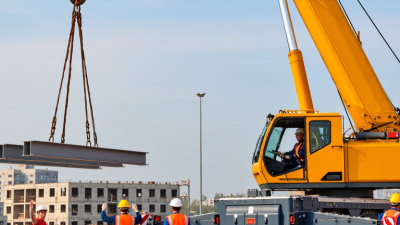
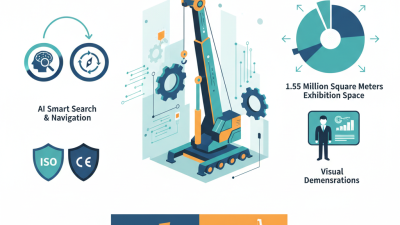
Choosing among China’s top steel crane manufacturers requires more than comparing prices and product photos. A reliable decision begins with evidence: factory experience, engineering capability, production controls, and documented performance. The right steel crane supplier should explain its design process clearly, from load calculations and structural analysis to welding inspection and final testing. Ask for records, not promises.
A qualified manufacturer can provide drawings, material certificates, inspection reports, and practical load data. Look for recognized quality systems, trained welders, traceable components, and testing equipment that matches your project requirements. A factory visit can reveal important details, such as organized steel storage, protected electrical components, and realistic production schedules. Small observations matter.
Communication also deserves careful attention. Can the supplier understand your lifting height, duty class, operating environment, and maintenance expectations? Can engineers respond with specific answers instead of generic language? Customer references from similar industries may show how the crane performs after installation, not only how it looks before shipment. After-sales support, spare parts availability, installation guidance, and warranty terms should be written clearly.
No manufacturer is perfect. Even an experienced supplier may overlook a site condition or underestimate delivery risks. That is why independent inspection and detailed technical clarification remain valuable. A lower quotation may hide weaker components, limited support, or expensive modifications later. The strongest choice combines proven manufacturing experience, transparent documentation, responsive engineering, and dependable long-term service. Look beyond the catalog. Examine the evidence.
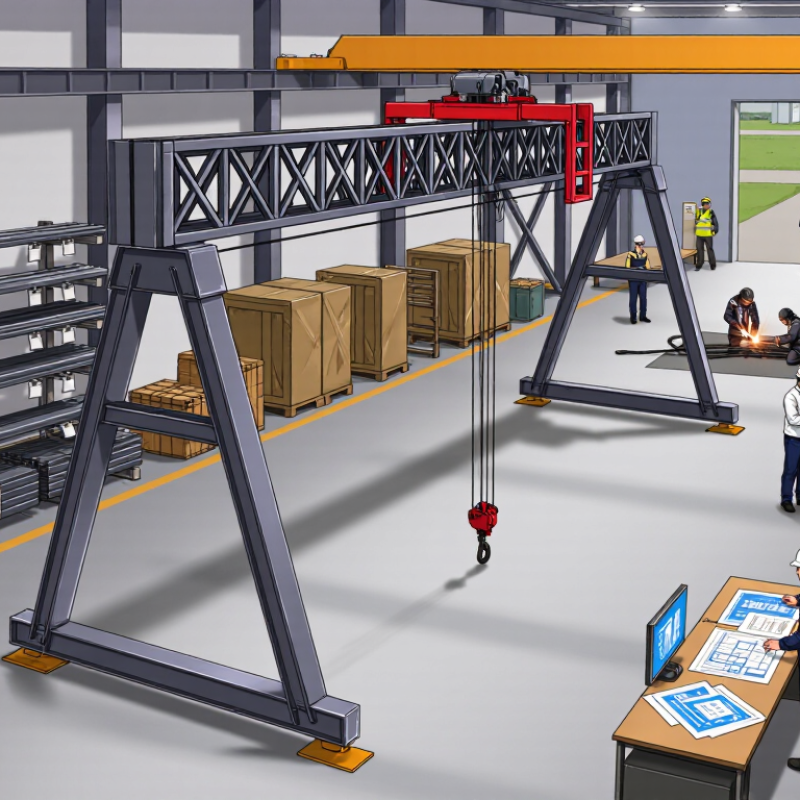
Before contacting a crane manufacturer, define the working conditions precisely. Start with the safe working load, or SWL, not the heaviest object seen once. Include lifting beams, grabs, hooks, and other attachments in the calculation. Specify the span between runway rails. A few centimeters can affect wheel loads and building clearance. Lift height should describe the actual hook travel, including pit depth and required headroom.
ISO 4301 duty class is equally important. It reflects operating cycles and load spectrum, not only crane capacity. A 10-ton crane used twice weekly may need a different class from one running every five minutes.
Record daily lifting cycles, average loads, starts per hour, travel distance, and working environment. Indoor steel service differs from outdoor use with rain, dust, or freezing temperatures.
Ask manufacturers for load calculations, structural drawings, duty-class selection, inspection records, and testing procedures. Experienced engineers should explain their assumptions clearly. If the calculation looks too simple, question it.
Tips: Prepare a one-page requirement sheet with SWL, span, lift height, control method, power supply, and ISO 4301 class. Request a layout drawing before comparing prices. Do not choose from tonnage alone. I have seen projects underestimate duty cycles, then face faster wear and awkward maintenance. Recheck your operating data with the actual crane operators. Their memory may be imperfect, but it often reveals the real workload.

How to Choose China Top Steel Crane Manufacturers?
Compliance should be checked before price, delivery time, or painted steel thickness. GB/T 3811 defines core crane design requirements, including loads, stability, and structural safety. ISO 4301 classifies cranes and mechanisms by duty cycles and service conditions. FEM guidance adds practical design calculations for fatigue and operating groups. CE marking confirms conformity with applicable European safety requirements, but it is not a quality grade.
The International Labour Organization estimated 2.93 million work-related deaths and 395 million non-fatal injuries in 2023. Cranes are not responsible for every incident, yet this data shows why documented risk control matters. Ask for signed calculations, weld inspection records, material certificates, and load-test evidence. Check whether the declared working class matches your real operation. A crane lifting six tonnes occasionally differs from one moving four tonnes every few minutes. Small mismatch. Big consequence.
Tips: Request the complete technical file, not only a certificate scan. Verify certificate numbers with the issuing body. Review emergency stops, limit switches, brakes, and overload protection during a factory inspection. Independent inspection is worth considering. Certificates can be genuine but incomplete. That part is often missed. Also compare the manufacturer’s design assumptions with your runway span, lifting height, ambient temperature, and annual operating hours. Data from the ILO report, GB/T 3811, ISO 4301, FEM guidance, and European conformity rules should support the decision, not replace engineering judgment.
| Verification Dimension | Applicable Standard or Regulation | What the Requirement Covers | Evidence to Request from the Manufacturer | Practical Acceptance Check |
|---|---|---|---|---|
| Crane design basis | GB/T 3811-2008 Design rules for cranes |
Structural design, load combinations, mechanisms, components, stability, safety factors, and operating conditions for cranes. | Design calculation package, load cases, technical specifications, drawings, material specifications, and revision-controlled calculation records. | Confirm that rated load, span, lifting height, duty cycle, speed, temperature, wind, seismic conditions, and installation environment are included in the design basis. |
| Classification and duty rating | ISO 4301-1:2016 Classification of cranes |
Classification based on the total number of working cycles and the load spectrum experienced during service. | Declared crane class, mechanism class, load spectrum assumptions, operating cycle estimate, and duty-service calculation. | Check that the proposed class matches the actual daily operating hours, average lifted load, starts per hour, and expected service life. |
| European design methodology | FEM 1.001 Rules for the design of hoisting appliances |
Design principles for steel structures, machinery, fatigue, load combinations, and crane classification used in European engineering practice. | FEM classification statement, structural and mechanical calculations, fatigue assessment, and clearly identified design assumptions. | Ensure the manufacturer states the exact FEM method and class used; do not accept an unsupported claim that “FEM compliant” alone proves legal conformity. |
| Structural steel quality | Project specification and applicable material standards | Steel grade, weldability, plate thickness, traceability, welding procedures, and resistance to static and cyclic loads. | Mill test certificates, heat-number traceability, welding procedure specifications, welder qualifications, inspection reports, and non-destructive testing records. | Match material certificates to component markings and verify that inspection levels and acceptance criteria are defined before production. |
| Mechanical and lifting components | GB/T 3811, ISO 4301, FEM design principles, and approved project specifications | Hoist, drum, wire rope, sheaves, brakes, wheels, couplings, gearboxes, hooks, buffers, and end carriages. | Component datasheets, calculations, certificates, brake test results, hook inspection records, and spare-parts list. | Verify rated capacity, safety factors, braking performance, rope reeving, component duty class, and compatibility with the specified duty cycle. |
| Electrical and control safety | Applicable electrical safety requirements; EN 60204-32 may be used for electrical equipment of lifting machines | Protection against electric shock, emergency stopping, control circuits, isolation, grounding, enclosure protection, limit switches, and fault prevention. | Electrical schematics, risk assessment, control-panel test records, insulation and grounding tests, emergency-stop test, and functional safety documentation. | Test upper and lower limits, travel limits, overload protection, emergency stops, warning devices, control direction, and loss-of-power behavior. |
| CE conformity for the EU market | Machinery Directive 2006/42/EC, where applicable, plus other applicable EU legislation | Health and safety requirements, risk reduction, technical documentation, instructions, declaration of conformity, and CE marking obligations. | EU Declaration of Conformity, risk assessment, technical file index, user manual, test reports, CE marking information, and notified-body documents when legally required. | Check that the declaration identifies the exact model, applicable legislation, standards used, responsible signatory, and supplied configuration. |
| Testing and factory acceptance | Contract inspection plan and applicable crane requirements | Dimensional inspection, no-load testing, rated-load testing, overload testing where specified, operational checks, and safety-device verification. | Inspection and test plan, calibrated instrument certificates, factory acceptance test report, punch list, and corrective-action records. | Use an independent inspection party when appropriate and require all deviations to be closed before shipment or final acceptance. |
| Documentation and lifecycle support | Applicable standard, contract, and local workplace-safety requirements | Installation, commissioning, operation, maintenance, inspection intervals, component replacement, and operator training. | Operation and maintenance manuals, as-built drawings, parts catalog, lubrication schedule, inspection checklist, training records, and warranty terms. | Confirm that documents are supplied in the required language, reflect the delivered crane, and provide measurable inspection and maintenance criteria. |
When evaluating crane manufacturers, begin with the steel, not the catalogue. Q355B should provide a minimum yield strength of 355 MPa under the applicable material standard. This value supports safer load-bearing design, but it is not the whole story. Ask for the original mill certificate, heat number, chemical composition, tensile results, and impact test data. Match every plate to its certificate. A copied document is a warning sign.
Weld traceability deserves equal attention. Reliable manufacturers mark plates before cutting and connect each part to a heat number. Welding records should identify the welder, welding procedure, consumables, and inspection results. Request approved WPS and supporting PQR documents. Visual inspection is necessary, but ultrasonic or magnetic testing may reveal hidden flaws. Check whether nonconformance reports are closed properly. A perfect file can still hide weak workshop control. That deserves careful questioning.
Tips: Visit the factory if possible. Watch how Q355B plates are stored, marked, cut, and welded. Ask an engineer to explain one beam’s complete record. Compare drawings, material tags, weld maps, and test reports. Small mismatches matter. Do not accept “equivalent steel” without written technical evidence. Also, review the manufacturer’s experience with similar crane capacities and duty classes. Some suppliers communicate well but document poorly. That weakness may appear only after delivery. Choose the one that can prove each claim with clear, consistent records.
Audit factory capacity beyond brochures. Visit the welding bays, machining area, assembly floor, and coating room. Compare claimed output with production records, staffing, and delivery history. The World Steel Association reported 1.88 billion tonnes of crude steel production worldwide in 2024, but steel volume alone does not prove crane quality. Ask for material certificates, heat-number traceability, approved welding procedures, and welder qualifications. A clean factory helps. It is not enough.
Examine the quality assurance system line by line. ISO 9001 certification shows a controlled management process, not automatic lifting safety. The ISO Survey 2022 recorded more than 1.26 million ISO 9001 certificates worldwide, so verify the certificate scope, issuing body, and expiry date. Review nonconformance records and corrective actions. Real experience appears in the paperwork. Sometimes, the uncomfortable file matters most.
Require documented load testing for each completed crane or critical assembly. Confirm calibrated load cells, test weights, test procedures, and signed results. Test records should identify the crane number, rated capacity, test load, deflection readings, and inspector. Ask whether overload testing follows the applicable design and safety standard. Witness one test in person if possible. Photographs can mislead. Factory capacity, QA discipline, load evidence, and certification must agree; if they do not, pause the purchase and investigate.
Choosing China’s top steel crane manufacturers requires more than comparing purchase prices. A low quotation may exclude installation, operator training, spare parts, or factory acceptance testing. Request a total-cost breakdown covering transport, commissioning, inspections, electricity, and expected repairs. Ask for project references with similar lifting capacity and working conditions. Real operating records are more useful than polished brochures.
Energy use deserves careful measurement. Compare motor efficiency, standby consumption, lifting cycles, and regenerative braking options. A crane running eight hours daily can make small efficiency differences financially important.
Request measured data, not only estimated savings. However, calculations can be imperfect. Dust, overloads, and poor maintenance may change actual consumption.
Warranty terms should identify covered components, response times, and labor limits. A twelve-month warranty means little if replacement parts take months to arrive. For ten-year service support, confirm spare-part availability, technical documentation, remote diagnostics, and technician coverage.
Ask how software, controls, and discontinued components will be handled. Written service procedures build confidence.
Personal experience also matters: speak with users who have operated similar cranes for several years. Some buyers focus heavily on the initial price and regret ignoring downtime costs. That mistake is common. A reliable manufacturer explains risks openly, provides traceable quality records, and accepts reasonable performance checks before payment.